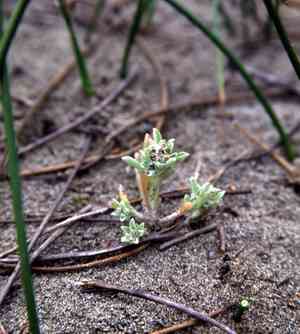
Western marsh cudweed (Gnaphalium palustre)
Also known as: Marsh Cudweed
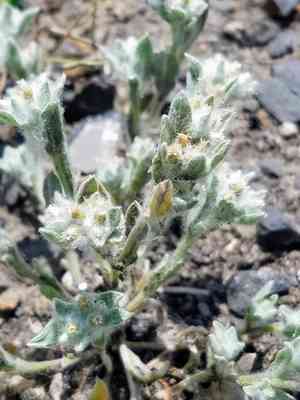
Western marsh cudweed, a moisture-loving annual plant, is characterized by its woolly, white leaves and small clusters of yellow flowers. Its success in wet habitats can be attributed to its slender, hairy leaves that minimize water loss. Additionally, its compact, cushion-like growth form helps it withstand the moisture-rich conditions of marshes and bogs.
In This Article
Attributes of Western marsh cudweed
Lifespan
Perennial
Plant Type
Herb
Plant Height
2.5 cm to 30 cm
Spread
Not applicable (herbaceous plant with no prominent crown)
Leaf Color
Silver-grey
Flower Size
Less than 1 cm
Flower Color
Pale yellowish
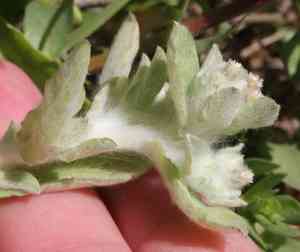
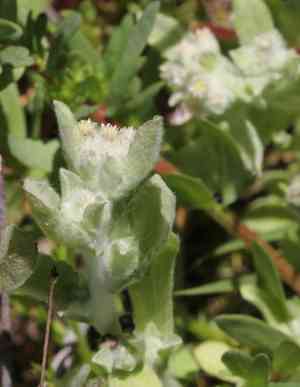
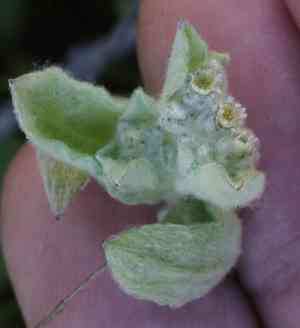
Images of Western marsh cudweed
Quickly Identify Western marsh cudweed
1
Gnaphalium palustre can be identified by its dense woolly appearance, silver-grey leaves, and preference for marshy or wetland habitats. The flowers are small and clustered, usually appearing in a pale yellowish color.
Scientific Classification of Western marsh cudweed
Phylum
Vascular plants
Class
Dicotyledons
Order
Asterales
Family
Daisy
Genus
Cudweeds
Species
Western marsh cudweed
Planting and Growing of Western marsh cudweed
Care Difficulty
Easy
Watering Schedule
Every 2 days
Sunlight Requirements
Partial sun
Sunshine Duration
6-12 hours
Ideal Temperature
60-75℉
Soil Type
Potting Mix, Peat Mix
Soil pH
6.5-7.5
Fertilizer Type
Balanced
Pruning Season
Spring, Summer
Pruning Area
Branches, Leaves
Pruning Frequency
2 times a year
Repotting Season
Spring
Pot Type
Plastic, Ceramic
 How to Water Western marsh cudweed?
Gnaphalium palustre prefers soil that is consistently moist but not waterlogged. When watering, ensure that the water penetrates the soil adequately, offering around 150 milliliters per session, allowing for uniform distribution that reaches the root zone.
What are the symptoms of an underwatered Western marsh cudweed?
›
What should I do if my Western marsh cudweed is not getting enough water?
›
What are the symptoms of an overwatered Western marsh cudweed?
›
How to save an overwatered Western marsh cudweed?
›
 What Are the Sunlight Requirements for Western marsh cudweed?
Gnaphalium palustre prefers partial sun. Ideal light conditions include dappled sunlight or filtered morning sun with afternoon shade, promoting balanced growth and vibrant appearance while preventing stress or damage from excessive exposure.
What is the ideal lighting condition?
›
How do I achieve this ideal lighting condition?
›
What are the benefits of this ideal lighting condition?
›
 What Is the Ideal Temperature Range for Western marsh cudweed?
The ideal temperature range for cultivating Gnaphalium palustre is between 60°F and 75°F. This range provides optimal conditions for growth and development, ensuring that the plant has a stable environment to thrive. Within this temperature bracket, the metabolic processes necessary for photosynthesis, respiration, and nutrient uptake occur efficiently, supporting robust health and vitality.
 What Soil is Best for Western marsh cudweed?
Gnaphalium palustre thrives in well-drained soils which allow excess water to percolate quickly. This prevents waterlogging, ensuring the roots breathe and absorb nutrients effectively. Well-drained soil also helps in preventing root diseases, promoting healthy growth. This plant prefers soils of moderate fertility. Excessive nutrients can lead to lush yet weak growth, while poor soil can stunt its development. Balanced nutrient levels ensure robust growth and proper flowering, maintaining the plant's natural charm. While drainage is crucial, some moisture retention helps sustain Gnaphalium palustre during dry spells. This balance supports good hydration, allowing the plant to thrive without the stress of drought conditions.
 How to Fertilize Western marsh cudweed?
For Gnaphalium palustre, a light hand is crucial when it comes to fertilization. Using a diluted liquid fertilizer is recommended to avoid overfeeding. Mix the fertilizer with water at half the recommended strength. For slow-release fertilizers, use a minimal amount, roughly 10 grams per square meter once applied.
 How to Prune Western marsh cudweed?
While it's important to keep Gnaphalium palustre in check, be cautious not to over-prune. Excessive pruning can stress the plant and reduce its vigor. Aim for a balanced approach where enough foliage is removed to maintain health and aesthetics without stripping the plant too bare. Carefully collect and dispose of all plant clippings to prevent diseases from spreading. If the plant material shows signs of infestation or disease, do not add it to the compost. Instead, dispose of it in a way that reduces the risk of spreading pathogens or pests.
More About Pruning Techniques→
 How to Propagate Western marsh cudweed plant?
1
Select a well-draining substrate suitable for the chosen method, such as a mixture of peat and perlite for seed propagation or a rooting hormone for cuttings. Ensure the substrate is sterile to avoid contamination.
2
Seeds should be sown evenly on the substrate, covered lightly with soil if necessary. Keep the seed tray in a warm area with indirect light, maintaining consistent moisture without overwatering.
3
Select healthy, non-flowering stems for cuttings. Cut just below a node, making sure each cutting has a few leaves. Remove lower leaves, dip the cut end in rooting hormone, and place it in the prepared substrate.
 How to Repot Western marsh cudweed plant?
1
Gnaphalium palustre signals it's time to repot when you notice roots growing out of the drainage holes, or if the plant appears stunted and undernourished. Repotting during spring or autumn, when the plant is naturally more dormant, minimizes stress and promotes gradual adaptation.
2
Select a pot that is one size larger than the current one, ensuring it has ample drainage holes. This prevents waterlogging and root rot, allowing the plant to thrive with room for growth. The pot material should be breathable, like terracotta, which aids in moisture regulation.
3
Opt for a well-draining peat-based mix which helps in retaining the necessary moisture without becoming waterlogged. This type of soil offers sufficient aeration and nutrient availability, providing an ideal growing medium for Gnaphalium palustre.


