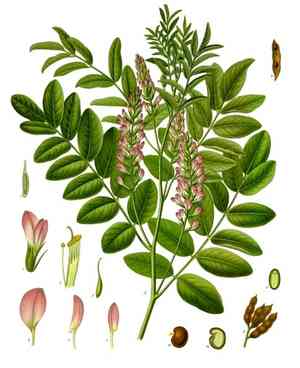
Licorice (Glycyrrhiza glabra)
Also known as: Cultivated licorice, Liquorice Root, Spanish Juice, Sweet Wood, Sweetwood, Common licorice
Licorice (Glycyrrhiza glabra) is renowned for its aromatic roots that provide the distinctive sweet taste known as licorice, often used in candies and also to flavor tobacco. The key compound behind this sweetness is glycyrrhizin, which is approximately 50 times sweeter than regular sugar (sucrose).
In This Article
Attributes of Licorice
Lifespan
Perennial
Plant Type
Herb, Shrub
Plant Height
1.2 m
Spread
90 cm
Leaf Color
Green Gray
Flower Size
8 mm to 1.2 cm
Flower Color
White Purple Violet
Images of Licorice
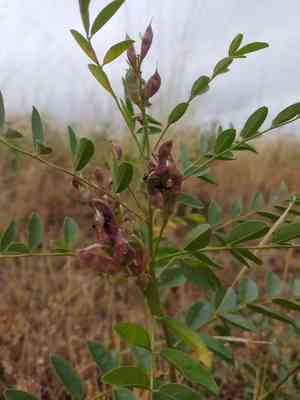
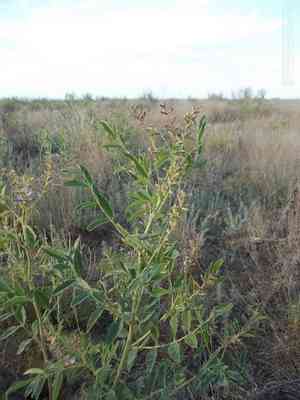
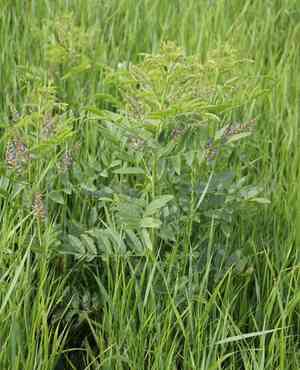
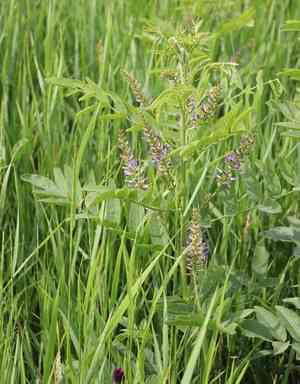
Quickly Identify Licorice
1
Compound leaves with oblong leaflets in pairs, 2 3/4 to 6 inches (7 to 15 cm) long.
2
Modest-sized leguminous pods, 1/2 inch (12-13 mm) long with 3-5 round seeds.
3
Hairy stems reaching 3 feet (91 cm) with woody base and herbaceous texture upwards.
4
Upright growth habit up to 4 feet (120 cm) with small purple to whitish-blue flowers.
5
Distinctive extensive root system with thick, fibrous roots, crucial for identification.
Scientific Classification of Licorice
Phylum
Vascular plants
Class
Dicotyledons
Order
Fabales
Family
Legume
Genus
Licorice
Species
Licorice
Planting and Growing of Licorice
Care Difficulty
Easy
Watering Schedule
Every 2 days
Sunlight Requirements
Full sun
Sunshine Duration
4-8 hours
Ideal Temperature
68-77℉
Soil Type
Potting Mix, Peat Mix
Soil pH
6.5-7.5
Fertilizer Type
Balanced
Pruning Season
Spring, Summer
Pruning Area
Branches, Leaves
Pruning Frequency
2 times a year
Repotting Season
Spring
Pot Type
Plastic, Ceramic
 How to Water Licorice?
Glycyrrhiza glabra prefers a moderate soaking, ensuring the soil is evenly moist without waterlogging. An ideal amount is 500 milliliters per session, allowing excess water to drain out to prevent root rot.
What are the symptoms of an underwatered Licorice?
›
What should I do if my Licorice is not getting enough water?
›
What are the symptoms of an overwatered Licorice?
›
How to save an overwatered Licorice?
›
 What Are the Sunlight Requirements for Licorice?
Glycyrrhiza glabra ideally benefits from full sun conditions, requiring 6 to 8 hours of direct sunlight. Adequate lighting enhances its photosynthesis, growth, and flavor profile.
More About Sunlight Requirements Techniques→
What is the ideal lighting condition?
›
What solutions are available to achieve ideal lighting?
›
How does ideal lighting benefit the plant?
›
 What Is the Ideal Temperature Range for Licorice?
The ideal temperature range for Glycyrrhiza glabra, commonly known as licorice, is between 68°F to 77°F. This range provides optimal growing conditions, ensuring the plant's physiological processes, such as photosynthesis and respiration, occur efficiently, leading to healthy growth and robust root development.
 What Soil is Best for Licorice?
Glycyrrhiza glabra thrives in nutrient-rich soils that provide essential minerals for optimal growth. The abundance of nutrients ensures healthy root development and enhances plant vigor, leading to higher productivity. The plant requires soil with excellent drainage to avoid waterlogging, which can lead to root rot. Good drainage ensures the roots have access to oxygen, fostering a healthy root system and preventing fungal infections. While the plant prefers a slightly moist soil environment, it is crucial for the soil to remain well-aerated. This balance prevents the roots from suffocating and supports robust growth, contributing to the plant's resilience.
 How to Fertilize Licorice?
Glycyrrhiza glabra benefits from a balanced fertilization approach. When applying fertilizer, ensure to provide approximately 100 to 150 grams of a balanced granular fertilizer, such as a 10-10-10 NPK ratio, per square meter of growing area twice a year. Maintain adequate moisture to ensure nutrient absorption.
 How to Prune Licorice?
Before you begin pruning, clean your tools thoroughly to prevent disease transmission. Inspect the plant carefully to determine which branches require attention. Focus on spotting dead or unhealthy-looking stems and consider the overall shape you want the plant to take. For Glycyrrhiza glabra, make angled cuts just above a leaf node to encourage new growth. Cut back taller stems to maintain the desired height and shape, ensuring light reaches the inner parts of the plant. Prune with an understanding of the plant's natural form to keep it looking its best.
More About Pruning Techniques→
 How to Propagate Licorice plant?
1
Start by filling seed trays with a well-draining potting mix. Sow Glycyrrhiza glabra seeds on the surface and lightly cover them with a thin layer of soil. Water gently and place in a warm, bright location.
2
Select a healthy parent plant and, using a sharp knife, cut a section of root approximately 5-10 cm in length. Plant the root cutting horizontally in a container filled with moist potting mix, ensuring it's partially covered.
3
Once seedlings have developed a couple of true leaves, carefully transplant them into individual pots. Ensure the potting mix is rich and well-draining to support healthy growth.
 How to Repot Licorice plant?
1
Recognizing when Glycyrrhiza glabra needs repotting is crucial for its health. If you notice roots poking out of drainage holes, reduced growth, or rapid drying of the soil, it's time to consider repotting. These signs typically occur as the plant outgrows its current pot, indicating the need for more space to flourish.
2
Selecting an appropriate pot is vital for Glycyrrhiza glabra's growth. Opt for a pot that is one size larger than the current one, with good drainage holes to prevent waterlogging. A well-sized pot ensures that roots have ample space to expand, reducing the risk of root rot and encouraging healthy growth.
3
The choice of soil plays a significant role in the successful repotting of Glycyrrhiza glabra. A well-draining, sandy loam soil mixture is ideal. This type of soil provides the necessary drainage to avoid waterlogged conditions while retaining enough moisture and nutrients to support the plant's necessities.
Learn More About Licorice Diseases
Anthracnose
Bacterial Leaf Spot
Bacterial Soft Rot
Bacterial Wilt
Chemical Injury
Crown Gall
Cyst Nematode
Damping-off
Downy Mildew
Drought Stress
Fusarium Wilt
Gray Mold
Leaf Curl
Leaf Spot
Mosaic
Nutrient Deficiency
Nutrient Toxicity
Powdery Mildew
Root Rot
Root-knot Nematode
Rusts
Sooty Mold
Spider Mites
Temperature Stress
Thrips Damage
White Mold



