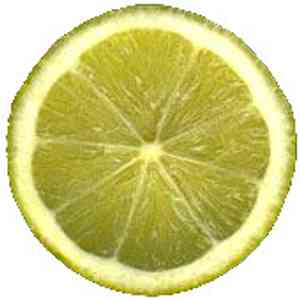
Chinese glycosmis (Glycosmis parviflora)
Also known as: Flower axistree
The plant you're describing is likely the Chinese Glycosmis (Glycosmis pentaphylla). This evergreen shrub, native to tropical regions, features glossy dark green leaves and clusters of tiny white flowers that attract local pollinators. It thrives in dappled light under a canopy and prefers well-drained soils. Known for its adaptability to various environments, the Chinese Glycosmis emits a delicate fragrance that invites beneficial insects, making it well-suited for subtropical climates.
In This Article
Attributes of Chinese glycosmis
Lifespan
Perennial
Plant Type
Tree, Shrub
Plant Height
1 m to 3 m
Spread
Approximately 2-3 meters
Leaf Color
Green
Flower Size
3 cm to 14 cm
Flower Color
White
Images of Chinese glycosmis
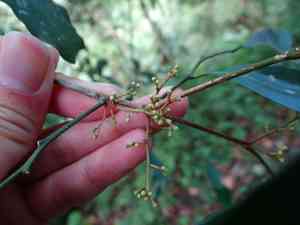
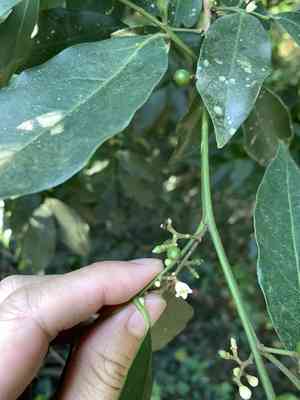
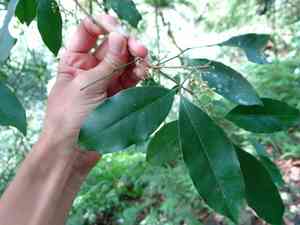
Quickly Identify Chinese glycosmis
1
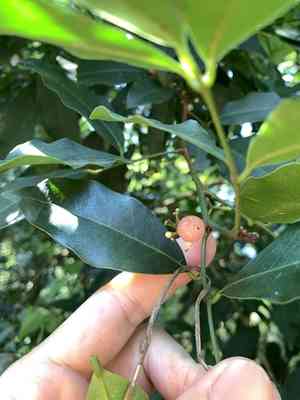
Glycosmis parviflora can be identified by its small white flowers, which are less than 1 cm in diameter. The plant has pinnate leaves with several pairs of leaflets. The berries are small, round, and orange to red when mature.
Scientific Classification of Chinese glycosmis
Phylum
Vascular plants
Class
Dicotyledons
Order
Sapindales
Family
Rue
Genus
Glycosmis
Species
Chinese glycosmis
Planting and Growing of Chinese glycosmis
Care Difficulty
Easy
Watering Schedule
Every 2 days
Sunlight Requirements
Partial sun
Sunshine Duration
6-8 hours
Ideal Temperature
68-77℉
Soil Type
Potting Mix, Peat Mix
Soil pH
6.5-7.5
Fertilizer Type
Balanced
Pruning Season
Spring, Summer
Pruning Area
Branches, Leaves
Pruning Frequency
2 times a year
Repotting Season
Spring
Pot Type
Terracotta, Plastic
 How to Water Chinese glycosmis?
For Glycosmis parviflora, the watering should be thorough but not excessive, ensuring that the potting mix is moist without being waterlogged. It's important to allow the top inch of soil to dry out between waterings, which helps to prevent root rot. A thorough soak ensuring about 400 ml of water allows the soil to absorb what it needs while any excess drains away, keeping the roots healthy.
What are the symptoms of an underwatered Chinese glycosmis?
›
What should I do if my Chinese glycosmis is not getting enough water?
›
What are the symptoms of an overwatered Chinese glycosmis?
›
How to save an overwatered Chinese glycosmis?
›
 What Are the Sunlight Requirements for Chinese glycosmis?
Partial sunlight is crucial for Glycosmis parviflora, as it encourages optimal growth and leaf color. Receiving both morning and filtered indirect light ensures active photosynthesis without the risk of sun damage.
How much sunlight is required daily for optimal growth?
›
What measures can be taken to provide this light condition?
›
What are the benefits if the plant receives ideal lighting?
›
 What Is the Ideal Temperature Range for Chinese glycosmis?
Glycosmis parviflora thrives in warm and humid environments. Ideally, the temperature should be maintained between 68°F and 77°F to ensure optimal growth. This range mimics the plant's natural habitat where it experiences subtropical warmth that promotes proper metabolic activities and foliage growth.
 What Soil is Best for Chinese glycosmis?
Glycosmis parviflora requires well-drained soil to prevent root rot and promote healthy growth. Well-drained soil ensures that excess water does not accumulate, protecting the plant's roots from suffocation and decay. To flourish, Glycosmis parviflora thrives in nutrient-rich soil, which provides essential minerals and nutrients for optimal growth. A fertile soil mix supports robust growth, lush foliage, and abundant flowering. The soil should maintain moderate moisture without becoming waterlogged. Adequate moisture retention is crucial to sustaining the plant during dry periods, enhancing its drought resistance while promoting robust growth.
 How to Fertilize Chinese glycosmis?
Glycosmis parviflora thrives best with a balanced amount of nutrients. For liquid fertilizers, use a diluted solution with a strength of 1/4 of the recommended dose for houseplants. Spread this evenly around the root zone, ensuring the soil absorbs it without being waterlogged. For slow-release fertilizers, a light layer about one tablespoon per square foot is adequate and should be applied uniformly on the soil surface, mildly mixed without disturbing roots.
 How to Prune Chinese glycosmis?
Start by identifying any dead, diseased, or damaged branches and remove them first. Look for branches that cross or rub against each other, as these can cause wounds and should be pruned back for better growth. Make precise cuts just above a node or bud. This encourages new growth in the desired direction and helps the plant to heal more efficiently. Always cut at a 45-degree angle to prevent water accumulation and rot.
More About Pruning Techniques→
 How to Propagate Chinese glycosmis plant?
1
Seeds should be collected from mature fruits and cleaned thoroughly. They can be soaked in water overnight to help soften the seed coat and promote faster germination.
2
Use a well-draining potting mix to provide aeration and moisture control. Sterilizing the soil mix can prevent diseases and increase the success rate of seedling establishment.
3
Select healthy, non-flowering stems for cuttings. Cut sections of about 4-6 inches and remove lower leaves to reduce water loss during the rooting process.
 How to Repot Chinese glycosmis plant?
1
Look for signs like roots spiraling around the pot or protruding from drainage holes. Another signal might be yellowing leaves or water taking too long to drain. These indicators suggest your Glycosmis parviflora may need a new home.
2
Select a pot that is 1-2 inches larger in diameter than the current one. Ensure it has adequate drainage holes to prevent root rot. A terracotta pot is excellent, as it allows for air and moisture exchange.
3
Use a well-draining potting mix to prevent water logging. Incorporate perlite or sand to enhance drainage. This kind of soil supports the root system and prevents overwatering-related issues.
Learn More About Chinese glycosmis Diseases
Anthracnose
Bacterial Leaf Spot
Bacterial Soft Rot
Bacterial Wilt
Black Spot
Chemical Injury
Crown Gall
Cyst Nematode
Damping-off
Downy Mildew
Drought Stress
Fusarium Wilt
Gray Mold
Leaf Curl
Leaf Spot
Mosaic
Nutrient Deficiency
Nutrient Toxicity
Powdery Mildew
Root Rot
Root-knot Nematode
Rusts
Sooty Mold
Spider Mites
Temperature Stress
Thrips Damage
White Mold



