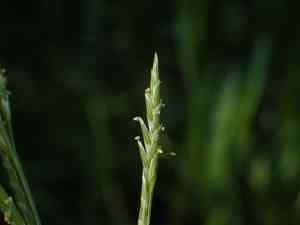
Small sweet-grass (Glyceria declinata)
Also known as: Low manna grass, Small flotegrass, Floating sweetgrass
These plants typically grow to a height of 10 to 160 cm and have a bushy growth habit. They are primarily rhizomatous geophytes, which are herbaceous perennials with buds situated underground. During unfavorable seasons, they lack above-ground structures, with their buds residing in subterranean parts such as bulbs.
In This Article
Attributes of Small sweet-grass
Lifespan
Perennial
Plant Type
Grass
Plant Height
10 cm to 45 cm
Spread
Not usually applicable as it is a grass species
Leaf Color
Green
Flower Size
4 cm to 30 cm
Flower Color
Yellow Green Purple Brown
Images of Small sweet-grass
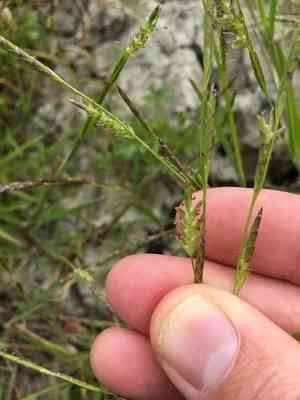
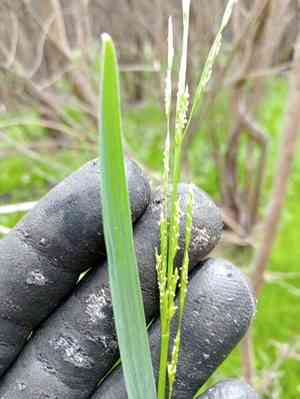
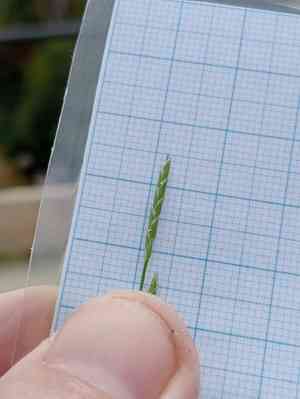
Quickly Identify Small sweet-grass
1
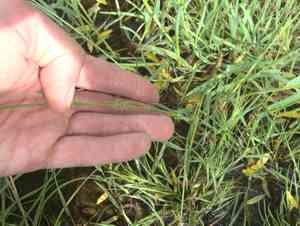
Glyceria declinata can be identified by its sprawling and branched stems, narrow and arching leaves, and tiny greenish to brownish flowers arranged in a diffuse panicle. It often grows in clumps and has a spreading habit.
Scientific Classification of Small sweet-grass
Phylum
Vascular plants
Class
Monocotyledons
Order
Grasses, sedges and allies
Family
Grass
Genus
Mannagrasses
Species
Small sweet-grass
Planting and Growing of Small sweet-grass
Care Difficulty
Easy
Watering Schedule
Every 3 days
Sunlight Requirements
Partial sun
Sunshine Duration
6-8 hours
Ideal Temperature
59-77℉
Soil Type
Potting Mix, Peat Mix
Soil pH
5.5-7.5
Fertilizer Type
Balanced
Pruning Season
Spring, Summer
Pruning Area
Branches, Leaves
Pruning Frequency
2 times a year
Repotting Season
Spring
Pot Type
Plastic, Ceramic
 How to Water Small sweet-grass?
When watering Glyceria declinata, aim to keep the soil consistently moist but not waterlogged. Apply approximately 250 ml of water during each session, ensuring the soil remains damp to the touch but with no standing water. Adjust the amount if the weather is particularly dry or humid.
What are the symptoms of an underwatered Small sweet-grass?
›
What should I do if my Small sweet-grass is not getting enough water?
›
What are the symptoms of an overwatered Small sweet-grass?
›
How to save an overwatered Small sweet-grass?
›
 What Are the Sunlight Requirements for Small sweet-grass?
Glyceria declinata thrives best in partial sunlight, which includes a few hours of direct sunlight daily. This balanced lighting provides energy for growth while preventing damage from excessive exposure.
What type of sunlight does Glyceria declinata thrive in?
›
How can you achieve ideal lighting conditions for Glyceria declinata?
›
What are the benefits of providing Glyceria declinata with ideal light?
›
 What Is the Ideal Temperature Range for Small sweet-grass?
The ideal temperature range for Glyceria declinata is between 59°F and 77°F. This temperature range provides the necessary warmth for optimal enzymatic activity and ensures proper physiological processes essential for healthy growth. Maintaining this temperature range can significantly enhance the plant's growth and health.
 What Soil is Best for Small sweet-grass?
Glyceria declinata thrives in soils that retain moisture well. This characteristic of the soil is crucial as it ensures a steady supply of water to the plant roots, preventing dehydration and promoting healthy growth. This plant benefits from nutrient-rich soils to fuel its lush growth. A fertile soil provides essential nutrients, supporting strong development and resistance to pests and diseases. While Glyceria declinata needs moisture, the soil must also be well-drained to prevent root rot. Adequate drainage allows excess water to escape, protecting the roots from rot and ensuring optimal plant health.
 How to Fertilize Small sweet-grass?
Glyceria declinata, a versatile grass species, thrives best with modest fertilizer applications. Typically, for liquid fertilizer, use a dilution that delivers nutrients at a quarter strength, ensuring not to overwhelm its delicate nutrient uptake system. For slow-release granules, apply at a rate of 1 pound per 100 square feet.
 How to Prune Small sweet-grass?
Begin by examining Glyceria declinata for dead or damaged blades. Trim these away at the base. Next, thin out overcrowded areas to allow air circulation. Cut back any flower stalks after blooming, unless you wish for the plant to self-seed. Prune carefully in the early morning or late afternoon to avoid stressing the plant. Make clean cuts at a slight angle above growth nodes to encourage robust regrowth and minimize disease risk.
More About Pruning Techniques→
 How to Propagate Small sweet-grass plant?
1
Begin by filling seed trays with a fine seed-starting mix in early spring. Sow the seeds thinly on the surface, as they need light to germinate. Mist the seeds gently and cover the trays with a humidity dome or plastic wrap to retain moisture until germination occurs.
2
In early spring, when new growth appears, use a garden fork to carefully lift the clump from the ground. Gently separate the plant into several sections, ensuring each has a portion of the root system. Replant the divisions at the same depth they were growing before.
3
Prepare the planting site by loosening the soil and mixing in organic matter to improve drainage and fertility. Plant seeds or divisions at regular intervals, providing adequate space for growth. Water the site thoroughly after planting to settle the soil around the roots.
 How to Repot Small sweet-grass plant?
1
Glyceria declinata thrives when its environment suits its growth patterns. Look for signs like roots emerging through drainage holes or noticeable slowing of growth. These are clear indicators that repotting is needed to provide it more space and nutrients.
2
Opt for a slightly larger pot with good drainage capabilities. This ensures excess water can escape, reducing the risk of root rot. The pot should be made of breathable materials, like clay or terracotta, to enhance air circulation around the roots, promoting healthy growth.
3
Select a loamy compost that retains moisture yet drains well. Such soil traps enough moisture to support growth but allows surplus water to escape, preventing the roots from sitting in water and avoiding rot.



