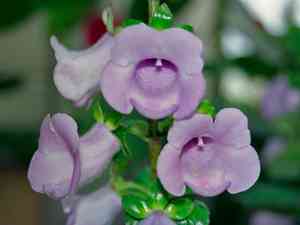
Canterbury bells (Gloxinia perennis)
Also known as: Perennial Gloxinia, Brazilian Gloxinia
The Peace Lily is a remarkable plant known for its elegant, trumpet-shaped white flowers. It is also an effective air purifier, capable of removing toxins such as formaldehyde and benzene from the environment. With its striking looks and minimal care requirements, it is a favored choice for both indoor and outdoor gardens.
In This Article
Attributes of Canterbury bells
Lifespan
Perennial
Plant Type
Herb
Plant Height
40-60 cm
Spread
Usually up to 30 cm
Leaf Color
Deep green
Flower Size
5-7 cm
Flower Color
Purple
Images of Canterbury bells
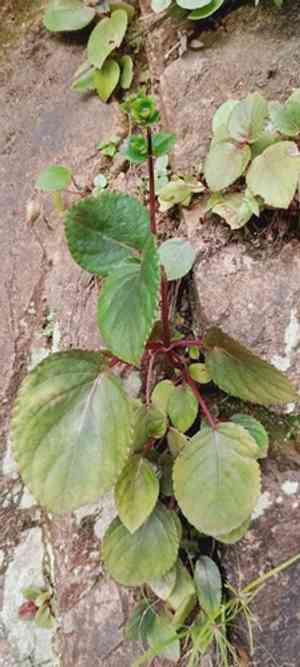
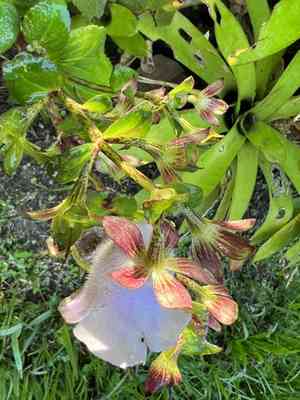
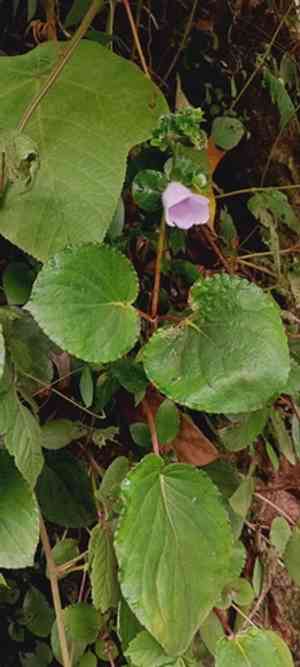
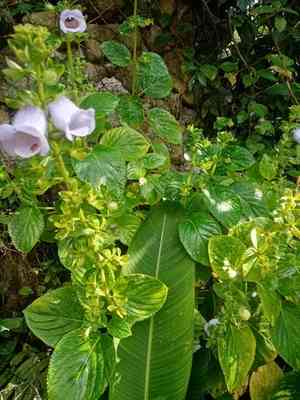
Quickly Identify Canterbury bells
1
Tall flowering stems 2-6 feet (60-180 cm) high.
2
Tubular flowers in blue, lavender, or purple clusters.
3
Oval-shaped fruit capsules split open when mature.
4
Scalloped-edged leaves up to 8 inches (20 cm) long.
5
Mottled green and red stems, fleshy and branching.
Scientific Classification of Canterbury bells
Phylum
Vascular plants
Class
Dicotyledons
Order
Lamiales
Family
African violet
Genus
Gloxinia
Species
Canterbury bells
Planting and Growing of Canterbury bells
Care Difficulty
Moderate
Watering Schedule
Every 4 days
Sunlight Requirements
Partial sun
Sunshine Duration
6-10 hours
Ideal Temperature
65-75℉
Soil Type
Potting Mix, Peat Mix
Soil pH
6.5-7.5
Fertilizer Type
Balanced
Pruning Season
Spring, Summer
Pruning Area
Branches, Leaves
Pruning Frequency
2 times a year
Repotting Season
Spring
Pot Type
Plastic, Ceramic
 How to Water Canterbury bells?
Gloxinia perennis requires a balanced approach to watering. Ideally, water should be applied until you see slight drainage from the bottom of the pot, ensuring the soil is consistently damp but not waterlogged. This encourages deep root growth and prevents underwatering.
What are the symptoms of an underwatered Canterbury bells?
›
What should I do if my Canterbury bells is not getting enough water?
›
What are the symptoms of an overwatered Canterbury bells?
›
How to save an overwatered Canterbury bells?
›
 What Are the Sunlight Requirements for Canterbury bells?
Partial sun is ideal for Gloxinia perennis, providing a balance that supports healthy foliage and abundant flowering. This mix protects the plant from extreme sun damage and fosters optimal growth.
What type of light does Gloxinia perennis prefer?
›
How can I achieve the ideal lighting for Gloxinia perennis?
›
What benefits does ideal lighting provide to Gloxinia perennis?
›
 What Is the Ideal Temperature Range for Canterbury bells?
For optimal growth, Gloxinia perennis thrives in temperatures ranging from 65°F to 75°F. This range supports robust flowering and healthy foliage development, minimizing stress and potential pest issues.
 What Soil is Best for Canterbury bells?
Gloxinia perennis thrives in well-draining soil that prevents waterlogging. This is crucial because excess moisture can lead to root rot, threatening the plant's health. A loamy or sandy loam soil structure ensures that the plant's roots receive adequate aeration, promoting vigorous growth and blooming. A nutrient-rich soil is essential for Gloxinia perennis as it supports robust flowering. The presence of organic matter in the soil helps retain moisture while also providing essential nutrients, leading to more vibrant and larger blooms throughout its blooming period. This plant requires a consistent moisture level in its soil, avoiding both drought stress and oversaturation. Maintaining this balance ensures that the plant stays hydrated without experiencing root stress, thus promoting a healthy foliage canopy and continuous flowering.
 How to Fertilize Canterbury bells?
For Gloxinia perennis, use a balanced liquid fertilizer diluted to half-strength, approximately 1 tablespoon per gallon of water, ensuring you don't overburden the delicate root systems with excessive nutrients.
 How to Prune Canterbury bells?
Begin by examining the plant to identify dead or discolored leaves and spent flowers. Make clean, angled cuts close to the base of each stem to promote new growth. Be meticulous about not cutting too far down the stem, as this can damage the plant's natural structure. Always prune above a leaf node to encourage new branch formation. After pruning, it's crucial to provide appropriate care to your Gloxinia perennis. Water the plant adequately to prevent stress from water loss during pruning. Feeding it with a balanced fertilizer can also help it recover and foster new growth. Keep an eye on the plant for signs of shock or stress in the following days.
More About Pruning Techniques→
 How to Propagate Canterbury bells plant?
1
Begin by sowing seeds in a well-draining seed starting mix. Ensure seeds are not buried too deep; a light covering of soil is enough. Keep the soil consistently moist but not waterlogged to promote germination.
2
Select healthy shoots from the parent plant. Cut a section about 3-4 inches long with at least two nodes, then dip the cut end in rooting hormone to boost root development.
3
For division, carefully remove the plant from its pot, disentangle the roots, and divide the tubers. Ensure each division has a healthy root system for successful establishment.
 How to Repot Canterbury bells plant?
1
Gloxinia perennis typically requires repotting when its roots start to outgrow the current pot. Look for visible roots emerging from the drainage holes or soil that seems to dry out too quickly. These signs indicate that the plant is ready for a roomier home.
2
Select a pot that is one size larger than the current one, ideally with good drainage holes. This ensures proper water drainage, preventing root rot and allowing room for growth. A well-draining pot promotes healthier root systems by avoiding waterlogged soil.
3
Use a well-draining potting mix, preferably one designed for flowering plants. Such soil provides the necessary aeration and drainage, reducing the risk of overwatering. It supports healthy root growth and nutrient uptake, boosting the plant's overall vitality.
Learn More About Canterbury bells Diseases
Anthracnose
Bacterial Leaf Spot
Bacterial Soft Rot
Bacterial Wilt
Black Spot
Chemical Injury
Crown Gall
Cyst Nematode
Damping-off
Downy Mildew
Drought Stress
Fusarium Wilt
Gray Mold
Leaf Spot
Mosaic
Nutrient Deficiency
Nutrient Toxicity
Powdery Mildew
Root Rot
Root-knot Nematode
Sooty Mold
Spider Mites
Temperature Stress
Thrips Damage
White Mold



