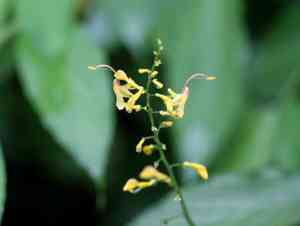
Dancing ladies (Globba) (Globba)
Also known as: Dancing Girl Ginger, White Ginger Lily
Dancing Ladies, comprising around 100 species, are native to regions such as Central and South America, the Caribbean, and parts of Mexico.
In This Article
Attributes of Dancing ladies (Globba)
Lifespan
Perennial
Plant Height
30 to 90 cm
Spread
N/A
Leaf Color
Green
Flower Size
1 to 2 cm
Flower Color
White, Yellow, Pink, Purple
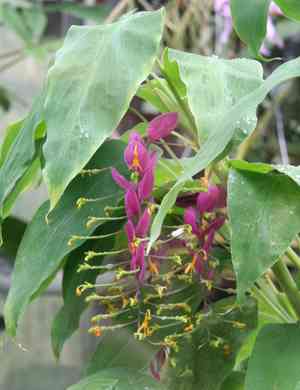
Images of Dancing ladies (Globba)
Quickly Identify Dancing ladies (Globba)
1
Look for the characteristic arching flower stems and small, orchid-like flowers. The leaves are typically lance-shaped and may have a glossy texture.
Scientific Classification of Dancing ladies (Globba)
Phylum
Angiosperms
Class
Liliopsida
Order
Zingiberales
Family
Zingiberaceae
Genus
Globba
Planting and Growing of Dancing ladies (Globba)
Care Difficulty
Moderate
Watering Schedule
Every 2 days
Sunlight Requirements
Partial sun
Sunshine Duration
4-8 hours
Ideal Temperature
65-75℉
Soil Type
Potting Mix, Peat Mix
Soil pH
5.5-7
Fertilizer Type
Balanced
Pruning Season
Spring, Summer
Pruning Area
Branches, Leaves
Pruning Frequency
2 times a year
Repotting Season
Spring
Pot Type
Plastic, Ceramic
 How to Water Dancing ladies (Globba)?
Globba plants, known for their unique inflorescences, prefer moderately moist soil. When watering, ensure that the soil is evenly moist but not waterlogged. A good approach is to water with about 250 milliliters, enough to moisten the top layer of the soil adequately.
What are the symptoms of an underwatered Dancing ladies (Globba)?
›
What should I do if my Dancing ladies (Globba) is not getting enough water?
›
What are the symptoms of an overwatered Dancing ladies (Globba)?
›
How to save an overwatered Dancing ladies (Globba)?
›
 What Are the Sunlight Requirements for Dancing ladies (Globba)?
Globba thrives best in partial sun with 2 to 4 hours of morning or late afternoon sunlight. Proper lighting ensures vibrant leaf colors and robust growth, contributing to the plant’s overall health and vigor.
Optimal Location
›
Balancing Sun Exposure
›
Adjusting to Seasons
›
 What Is the Ideal Temperature Range for Dancing ladies (Globba)?
The ideal temperature range for cultivating Globba is between 65°F and 75°F. These temperatures support optimal growth and flowering, ensuring the plant maintains its unique characteristics and vivid coloration. Maintaining these temperatures will help prevent stress in the plant, which can affect its health and longevity.
 What Soil is Best for Dancing ladies (Globba)?
Globba species thrive in soils that are rich in organic matter. Such soils provide essential nutrients that support vigorous growth and vibrant foliage. Organic-rich substrates ensure the constant supply of nutrients necessary for optimal plant health. These plants demand well-draining soils to prevent root rot, a common issue in waterlogged conditions. Loamy and sandy loam soils strike the perfect balance between moisture retention and drainage, thus promoting healthy root systems. Globba plants prefer consistently moist soils but not waterlogged. Maintaining moisture ensures adequate hydration and nutrient absorption, leading to lush growth. Soil that dries quickly can lead to wilting and stress, so it's crucial to keep the substrate evenly moist.
 How to Fertilize Dancing ladies (Globba)?
Globba plants benefit from modest fertilization. Use a balanced liquid fertilizer at half strength. For slow-release fertilizers, apply based on package instructions, usually around one teaspoon per plant annually.
 How to Prune Dancing ladies (Globba)?
Begin by identifying the target stems or leaves to prune. Gently hold the stem and make a cut above a leaf node or a healthy bud. Ensure the cut is at a slight angle to facilitate natural healing. Systematically proceed to trim other parts, maintaining the desired shape and size. After pruning, focus on providing optimal care for the Globba. Water it thoroughly and ensure it is placed in a well-lit spot, but avoid direct sunlight. This helps the plant recover and encourages robust growth.
 How to Propagate Dancing ladies (Globba) plant?
1
Before division, ensure the parent Globba plant is well-watered a few days in advance, as this will reduce stress and facilitate easier separation of the rhizomes.
2
Use a sharp and sterile tool to carefully divide the rhizomes. Make sure each division has at least one growth node to ensure successful propagation.
3
Plant the newly divided rhizomes in well-draining soil at the same depth they were growing before. Firm the soil around them and water thoroughly.
 How to Repot Dancing ladies (Globba) plant?
1
For Globba, a key sign that it's time to repot is when you notice roots growing out of the drainage holes or the plant's growth seems stunted. These signs usually indicate that the plant has outgrown its current pot and needs more space to thrive. Repotting in the spring and summer takes advantage of the active growing season, allowing the plant to recover and expand healthily.
2
When selecting a pot for your Globba, choose one that is only slightly larger than the current pot—about 2 inches wider in diameter. This prevents overwatering and provides just enough room for healthy root expansion. Ensure the pot has adequate drainage holes to prevent waterlogged soil, crucial for avoiding root rot and maintaining plant health.
3
The ideal soil for Globba is a well-draining, organic-rich mix. A combination of peat moss, perlite, and potting soil offers excellent drainage while retaining necessary moisture. This soil composition lets oxygen reach the roots easily, promoting healthy growth and reducing the risk of fungal infections.
Learn More About Dancing ladies (Globba) Diseases
Anthracnose
Bacterial Leaf Spot
Bacterial Soft Rot
Bacterial Wilt
Black Spot
Chemical Injury
Crown Gall
Cyst Nematode
Damping-off
Downy Mildew
Drought Stress
Fusarium Wilt
Gray Mold
Leaf Curl
Leaf Spot
Mosaic
Nutrient Deficiency
Nutrient Toxicity
Powdery Mildew
Root Rot
Root-knot Nematode
Rusts
Sooty Mold
Spider Mites
Temperature Stress
Thrips Damage
White Mold

