
Honey locust (Gleditsia triacanthos)
Also known as: Thornless Honey-Locust, Common Honey Locust, Thorny locust
The Honey Locust (Gleditsia triacanthos) is a deciduous tree indigenous to central North America. Its trunk is notable for being adorned with thorns, which start off soft and green but become hard and brittle as they mature. These thorns can grow quite large, reaching lengths of up to 20 cm.
Attributes of Honey locust
Images of Honey locust
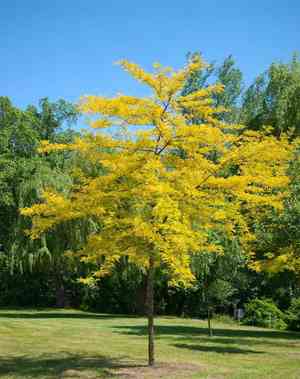
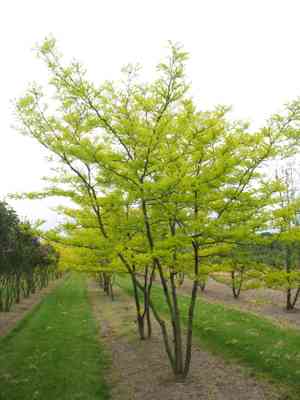
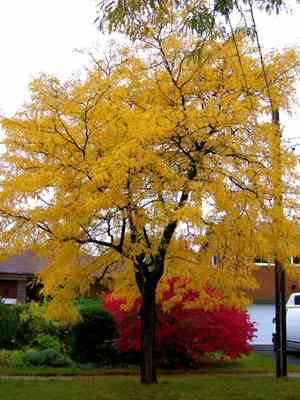
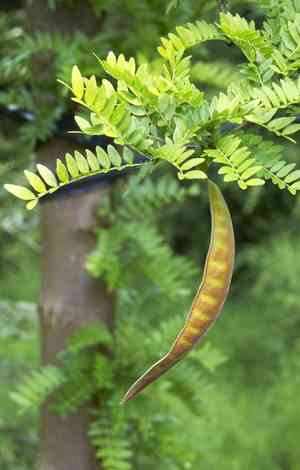
Quickly Identify Honey locust
Scientific Classification of Honey locust
Planting and Growing of Honey locust
 How to Water Honey locust?
 What Are the Sunlight Requirements for Honey locust?
 What Is the Ideal Temperature Range for Honey locust?
 What Soil is Best for Honey locust?
 How to Fertilize Honey locust?
 How to Prune Honey locust?
 How to Propagate Honey locust plant?
 How to Repot Honey locust plant?
Toxicity of Honey locust
Is Honey locust toxic to cat?
Honey locust presents a risk to the health of felines and is categorized among the plants known for their toxic properties. Felines may inadvertently consume different parts of the honey locust, with its seeds being especially dangerous. If ingested, cats could experience significant distress and may show symptoms that are associated with poisoning, which can vary from mild to severe. To reduce the potential hazards and prevent the worsening of symptoms, it is crucial for cat owners to keep a vigilant eye on their pets and to seek prompt veterinary assistance if poisoning is suspected. Timely intervention at a veterinary facility is essential to safeguard the health and recovery of the affected cat.
Is Honey locust toxic to dog?
Honey locust is recognized as a harmful plant for canines. If dogs accidentally consume parts of this plant, they can experience poisoning, particularly from the seeds, which are notably toxic. After ingesting honey locust, a dog may show a range of symptoms that indicate poisoning. It is vital for dog owners to keep a close watch on their pets and restrict access to the seeds of honey locust. In the event that a dog ingests any portion of honey locust, especially the seeds, it is imperative to seek prompt veterinary assistance to ensure the best outcome for the affected pet.



