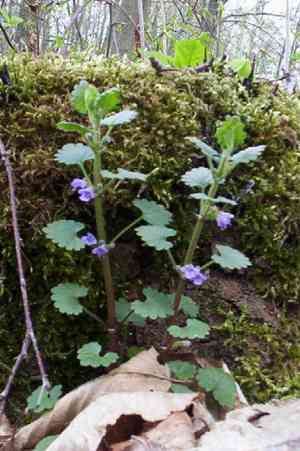
Glechoma (Glechoma)(Glechoma)

Glechoma (Glechoma) (Glechoma)

Also known as: Ground ivy, Creeping Charlie, Gill-over-the-ground, Alehoof

Glechoma, commonly known as ground ivy or Creeping Charlie, belongs to the mint family. It exhibits several notable features:

### Key Characteristics:
- **Growth Form**: It is a low-growing perennial that spreads via stolons (runners).
- **Leaves**: The plant has round, scalloped leaves that are aromatic.
- **Flowers**: Typically blue or purple, these small blooms appear in the spring.
- **Light Needs**: Thrives in shaded to partially sunny areas.
- **Soil Requirements**: Prefers moist, well-drained soils but is adaptable to various conditions.

### Advantages:
- **Erosion Prevention**: Its dense mat-like growth helps stabilize soil.
- **Weed Control**: Thick foliage can effectively suppress unwanted weeds.
- **Visual Appeal**: Offers attractive foliage and colorful flowers.
- **Ease of Care**: Requires little maintenance once established.
- **Wildlife Support**: Flowers attract pollinators, enhancing garden biodiversity.

### Disadvantages:
- **Aggressiveness**: Can be highly invasive and difficult to manage.
- **Allergenic Potential**: May cause allergic reactions in some individuals.
- **Plant Competition**: Can outcompete other garden plants, potentially leading to a monoculture.
- **Seasonal Variation**: May look less appealing in colder months when it dies back.

Overall, Glechoma can be a useful and attractive groundcover for gardens, particularly for areas needing erosion control and minimal upkeep. However, its invasive nature requires careful oversight to prevent it from overtaking other plants.

Attributes of Glechoma (Glechoma)

Lifespan
Perennial
Plant Height
10-30 cm
Spread
Creeping and covering the ground extensively
Leaf Color
Green, sometimes variegated
Flower Size
1-2 cm
Flower Color
Blue-violet

ForwardPlant - Identify plants with a snap

Identify and diagnose plants, get toxicity alerts, and explore safety guides for all types of fungi.

Try for Free

Images of Glechoma (Glechoma)

Glechoma (Glechoma)(Glechoma)

Quickly Identify Glechoma (Glechoma)

1
Identify Glechoma by its creeping growth habit, kidney-shaped leaves with scalloped edges, distinctive minty smell when crushed, and small blue-violet flowers that bloom in clusters.

Scientific Classification of Glechoma (Glechoma)

Phylum
Magnoliophyta
Class
Magnoliopsida
Order
Lamiales
Family
Lamiaceae
Genus
Glechoma

Planting and Growing of Glechoma (Glechoma)

Care Difficulty
Easy
Watering Schedule
Every 8 days
Sunlight Requirements
Partial sun
Sunshine Duration
6-10 hours
Ideal Temperature
60-75℉
Soil Type
Potting Mix, Peat Mix
Soil pH
6.5-7.5
Fertilizer Type
Balanced
Pruning Season
Spring, Summer
Pruning Area
Branches, Leaves
Pruning Frequency
2 times a year
Repotting Season
Spring
Pot Type
Plastic, Ceramic

water icon How to Water Glechoma (Glechoma)?

Glechoma, also known as ground ivy, prefers consistently moist soil. When watering, aim to saturate the soil thoroughly but ensure adequate drainage. Pour around 250 ml of water, checking that it seeps into the soil without pooling on the surface. Keep the soil damp but not soggy.
What are the symptoms of an underwatered Glechoma (Glechoma)?
What should I do if my Glechoma (Glechoma) is not getting enough water?
What are the symptoms of an overwatered Glechoma (Glechoma)?
How to save an overwatered Glechoma (Glechoma)?

sunlight icon What Are the Sunlight Requirements for Glechoma (Glechoma)?

Sunlight Requirements: Partial sun, Full shade
Duration of light: 4 to 6 hours
Partial sun is ideal for Glechoma, ranging from 4 to 6 hours of daily light. This ensures the plant maintains healthy growth patterns and rich leaf coloration.
What is the best environment for Glechoma?
How can I ensure Glechoma gets adequate light?
What if Glechoma lacks ideal lighting?

temperature icon What Is the Ideal Temperature Range for Glechoma (Glechoma)?

Ideal Temperature: 60 ~ 75℉
Glechoma, commonly known as ground ivy, ideally prefers temperatures between 60°F and 75°F. At these temperatures, the plant exhibits optimal growth, with vibrant foliage and a robust growth rate. It is important to maintain consistent temperatures within this range to prevent any stress on the plant, which could lead to slowed growth or developmental issues.

soil icon What Soil is Best for Glechoma (Glechoma)?

Soil type: Sandy loam, Loam
Soil PH: 6.5 ~ 7.5
Glechoma thrives in soil that is rich in nutrients. This ensures that the plant receives adequate nourishment and supports healthy growth. A fertile soil enriched with organic matter such as compost will efficiently support Glechoma's lush foliage and vibrant greenery. Good drainage is essential for Glechoma to prevent waterlogging, which can lead to root rot. The ability to drain excess water keeps the roots healthy and allows them to access the oxygen they need, promoting overall plant wellness and stability. While Glechoma prefers moist soil, it should not be overwatered. Maintaining consistent moisture levels supports the plant's vigor and ensures that it does not suffer from drought stress, which could impede growth and vitality.

fertilize icon How to Fertilize Glechoma (Glechoma)?

Fertilizer type: Balanced
For Glechoma, also known as creeping Charlie or ground ivy, the fertilizer amount should be modest due to its resilience and adaptability to various soil conditions. Typically, a diluted solution of liquid fertilizer at half the recommended strength is adequate during the growing season. For slow-release fertilizers, follow the label instructions, but err on the side of caution by using less than the recommended amount, especially if the soil is already nutrient-rich.

prune icon How to Prune Glechoma (Glechoma)?

Pruning Time: Spring, Summer, Autumn, Winter
Start by identifying overgrown, leggy stems and any damaged or discolored leaves. Use sharp, sterilized scissors to make clean cuts just above a pair of healthy leaves or nodes, which stimulates new growth. Aim to maintain the plant's natural mound shape, trimming back excessively long runners to encourage a tidy appearance. Remember to regularly trim dead or dying foliage to promote overall plant health.

propagate icon How to Propagate Glechoma (Glechoma) plant?

Propagate Time: Spring, Early spring, Late spring
1
Select a healthy vine from the parent plant and use sharp pruners to make a clean cut. Remove a segment with at least two nodes, ensuring minimal damage to the plant. Water immediately after to support recovery.
2
Fill seed trays with a moist, well-draining potting mix. Scatter seeds evenly and cover them lightly with soil. Keep the trays in a warm location, water regularly, and wait for germination.
3
Carefully dig up the mature plant and gently separate the roots into smaller sections. Ensure each division has a good amount of roots and foliage. Replant immediately to reduce transplant shock.

repot icon How to Repot Glechoma (Glechoma) plant?

Repotting frequency: Every 1-2 years
1
Glechoma usually signals its repotting needs with roots emerging through drainage holes or slowed growth. Spring and autumn are ideal seasons as the plant is not in peak growth or dormancy, which minimizes stress while allowing recovery in cooler temperatures.
2
Select a pot that is 1-2 inches larger in diameter than the current one, with sufficient drainage holes. This facilitates healthy root expansion and prevents waterlogging, reducing fungal disease risks, particularly important for Glechoma, which thrives in well-ventilated environments.
3
Opt for a well-draining potting mix containing peat, perlite, and organic compost. This blend offers essential nutrients, retains moisture without waterlogging, and promotes aeration, creating an ideal growing medium that mimics Glechoma's natural habitat.

ForwardPlant - Identify plants with a snap

Find the best spots for them to optimize their health, simply using your phone.

Try for Free

Toxicity

Ingestion

Identify toxic plants for your safety

Learn which plants are harmful to you and your pets, and make informed choices for a safer home!

Try for Free
WARNING
The judgment on toxicity and danger is for reference only. We DO NOT GUARANTEE any accuracy of such judgment. Therefore, you SHALL NOT rely on such judgment. It is IMPORTANT TO SEEK PROFESSIONAL ADVICE in advance when necessary.

