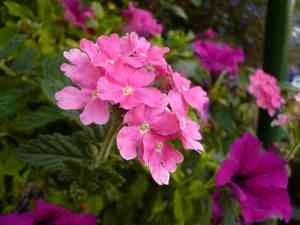
Chiricahua mountain mock vervain (Glandularia chiricahensis)
Also known as: Chiricahua Mountain Verbena
Chiricahua mountain mock vervain, native to the arid Chiricahua Mountains, is a hardy wildflower known for its vibrant purple blooms clustered on slender, upright stems. Its small, narrow leaves are specially adapted to minimize water loss, making it well-suited for dry conditions. The deep root system allows it to tap into water sources far below the surface, enhancing its drought resilience. Additionally, the bright flowers attract pollinators, playing a crucial role in the ecosystem. These adaptations collectively enable the plant to thrive in the challenging, arid environments of its native range.
In This Article
Attributes of Chiricahua mountain mock vervain
Lifespan
Perennial
Plant Type
Herb
Plant Height
0.3 to 0.6 meters
Spread
0.6 to 1 meter
Leaf Color
Green
Flower Size
0.8 to 1.2 centimeters
Flower Color
Pink to purple
Images of Chiricahua mountain mock vervain
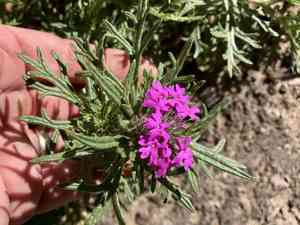
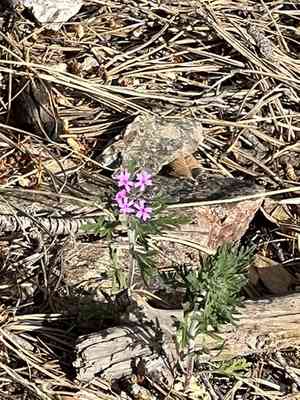
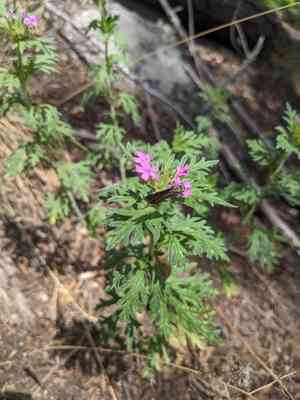
Quickly Identify Chiricahua mountain mock vervain
1
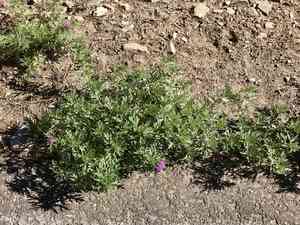
Glandularia chiricahensis can be identified by its lance-shaped leaves, hairy stems, and clusters of small, colorful flowers. The flowers are typically pink to purple and bloom from late spring to early fall.
Scientific Classification of Chiricahua mountain mock vervain
Phylum
Vascular plants
Class
Dicotyledons
Order
Lamiales
Family
Verbena
Genus
Mock vervain
Species
Chiricahua mountain mock vervain
Planting and Growing of Chiricahua mountain mock vervain
Care Difficulty
Moderate
Watering Schedule
Every 2 days
Sunlight Requirements
Full sun
Sunshine Duration
4-8 hours
Ideal Temperature
60-75℉
Soil Type
Potting Mix, Peat Mix
Soil pH
6.5-7.5
Fertilizer Type
Balanced
Pruning Season
Spring, Summer
Pruning Area
Branches, Leaves
Pruning Frequency
2 times a year
Repotting Season
Spring
Pot Type
Plastic, Ceramic
 How to Water Chiricahua mountain mock vervain?
For Glandularia chiricahensis, the watering amount should be moderated to provide just enough to moisten the soil. Aim for approximately 200 milliliters per session, ensuring the water penetrates deeply into the soil. This ensures the roots receive adequate moisture without causing wetlands that might lead to root rot. Always let the topsoil dry out between watering sessions to maintain optimal growth conditions.
What are the symptoms of an underwatered Chiricahua mountain mock vervain?
›
What should I do if my Chiricahua mountain mock vervain is not getting enough water?
›
What are the symptoms of an overwatered Chiricahua mountain mock vervain?
›
How to save an overwatered Chiricahua mountain mock vervain?
›
 What Are the Sunlight Requirements for Chiricahua mountain mock vervain?
This plant flourishes in full to partial sun. Ensuring adequate light availability will yield robust flowering and improve resilience, making it less susceptible to pests and diseases.
How much sunlight does Glandularia chiricahensis need?
›
What if my location lacks sunlight?
›
What benefits does ideal lighting provide?
›
 What Is the Ideal Temperature Range for Chiricahua mountain mock vervain?
The ideal temperature range for growing Glandularia chiricahensis is between 60°F and 75°F. This range maintains optimal physiological processes, promoting healthy growth and vibrant flowering. Providing a consistent temperature within this range helps ensure the plant meets its metabolic and water regulation requirements effectively.
 What Soil is Best for Chiricahua mountain mock vervain?
Glandularia chiricahensis thrives in well-draining soil, which prevents waterlogging that can lead to root rot. This plant favors soil that allows water to percolate through easily, mimicking its natural habitat and promoting healthy root development. While Glandularia chiricahensis can tolerate less fertile soil, providing a moderately fertile environment can enhance its growth and flowering potential. The plant benefits from a balanced nutrient profile without excessive richness that may promote leggy growth. Incorporating organic matter into the soil supports Glandularia chiricahensis by improving soil structure and nutrient availability. Organic matter also enhances moisture retention while maintaining the necessary drainage, crucial for healthy plant growth.
 How to Fertilize Chiricahua mountain mock vervain?
When fertilizing Glandularia chiricahensis, use a balanced fertilizer with an N-P-K ratio of around 10-10-10. Dilute liquid fertilizer to half strength to avoid over-fertilizing, and apply around 1/4 cup of solid fertilizer sparingly per square foot.
 How to Prune Chiricahua mountain mock vervain?
Begin by assessing your Glandularia chiricahensis for any dead or diseased stems and branches. Use clean, sharp shears to make clean cuts at a 45-degree angle just above a leaf node. Regular pruning encourages bushy growth and increased flower production. Trim back long, unwieldy stems to maintain shape and promote fuller flowering. Always prune with the goal of maintaining a balanced and aesthetically pleasing plant structure. Remove any yellowed or dead foliage promptly to prevent diseases from taking hold. Additionally, thinning out dense clusters of stems will improve air circulation, reducing the risk of fungal infections. Regularly inspect the base of the plant for suckers, which should be pruned to focus energy on the main flowering stems. In spring, focus on removing winter damage and shaping the plant for summer growth. By summer, focus on deadheading spent blooms to encourage further flowering. Autumn trimming promotes seasonal dieback management and prepares the plant for winter dormancy. Align your pruning practices with the plant's natural cycles for optimal results.
More About Pruning Techniques→
 How to Propagate Chiricahua mountain mock vervain plant?
1
Fill the seed tray with sterile seed-starting mix. Scatter the seeds evenly on the surface and gently press them down without covering. Water lightly to moisten the seeds without washing them away.
2
Select a healthy stem from the parent plant. Use pruning shears to cut a 4-6 inch segment just below a node. Remove the lower leaves and dip the cut end in rooting hormone.
3
Prepare a pot with well-draining soil and make a hole in the center. Insert the cutting into the hole and gently press the soil around it for support. Water thoroughly and cover with a plastic bag to maintain humidity.
 How to Repot Chiricahua mountain mock vervain plant?
1
Repot Glandularia chiricahensis when you notice roots growing out of the drainage holes or the soil drying out too quickly. Another indication is when the plant's growth seems stunted. These are clear signals that the plant has outgrown its current pot and needs more space to thrive.
2
Select a pot that is one to two inches larger in diameter than the current one. Ensure it has plenty of drainage holes to prevent waterlogging, as Glandularia chiricahensis prefers well-draining conditions. A slightly larger pot provides room for root growth, promoting better health and bloom.
3
Opt for a well-draining potting mix. A mix with added perlite, sand, or small gravel can improve drainage, helping to mimic the natural conditions of its native habitat. This prevents root rot and keeps the plant healthy in its potted environment.
Learn More About Chiricahua mountain mock vervain Diseases
Anthracnose
Bacterial Leaf Spot
Bacterial Soft Rot
Bacterial Wilt
Black Spot
Chemical Injury
Crown Gall
Cyst Nematode
Damping-off
Downy Mildew
Drought Stress
Fusarium Wilt
Gray Mold
Leaf Curl
Leaf Spot
Mosaic
Nutrient Deficiency
Nutrient Toxicity
Powdery Mildew
Root Rot
Root-knot Nematode
Rusts
Sooty Mold
Spider Mites
Temperature Stress
Thrips Damage
White Mold



