
Rose mock vervain (Glandularia canadensis)
Also known as: Rose vervain, Sweet William, Verbena
Rose mock vervain is a versatile wildflower suitable for ground cover, flowerbeds, and hanging baskets. It thrives in full sun and dry, rocky soils. This plant's rosy pink blooms attract butterflies, deer, and rabbits.
In This Article
Attributes of Rose mock vervain
Lifespan
Perennial, Annual
Plant Type
Herb
Plant Height
15 cm to 45 cm
Spread
30 cm to 60 cm
Leaf Color
Green
Flower Size
1.3 cm
Flower Color
Purple Pink Red Mauve
Images of Rose mock vervain
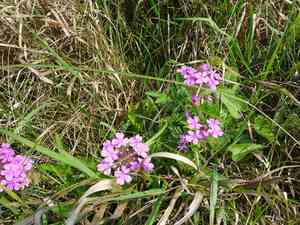
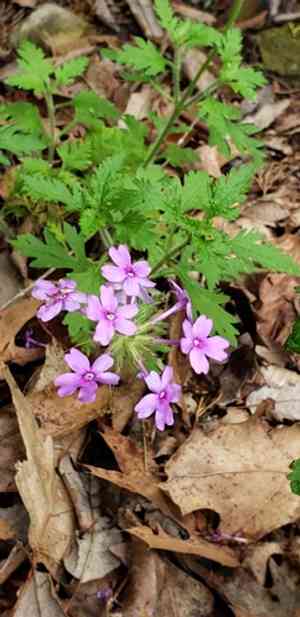
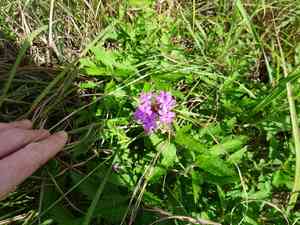

Quickly Identify Rose mock vervain
1
Recognize Glandularia canadensis by its lobed leaves, square stems, and clusters of vibrant pink or purple flowers. It typically grows low to the ground and has a spreading habit.
Scientific Classification of Rose mock vervain
Phylum
Vascular plants
Class
Dicotyledons
Order
Lamiales
Family
Verbena
Genus
Mock vervain
Species
Rose mock vervain
Planting and Growing of Rose mock vervain
Care Difficulty
Easy
Watering Schedule
Every 8 days
Sunlight Requirements
Full sun
Sunshine Duration
6-10 hours
Ideal Temperature
65-75℉
Soil Type
Potting Mix, Peat Mix
Soil pH
6.5-7.5
Fertilizer Type
Balanced
Pruning Season
Spring, Summer
Pruning Area
Branches, Leaves
Pruning Frequency
2 times a year
Repotting Season
Spring
Pot Type
Plastic, Ceramic
 How to Water Rose mock vervain?
The water amount should be sufficient to moisten the soil thoroughly, approximately 250 milliliters, allowing excess water to drain out of the pot's bottom to ensure proper hydration without drowning the roots.
What are the symptoms of an underwatered Rose mock vervain?
›
What should I do if my Rose mock vervain is not getting enough water?
›
What are the symptoms of an overwatered Rose mock vervain?
›
How to save an overwatered Rose mock vervain?
›
 What Are the Sunlight Requirements for Rose mock vervain?
For Glandularia canadensis, full to partial sun exposure is recommended. Ideal light conditions enhance bloom quantity and quality, promoting strong, healthy growth and increasing resilience to environmental stressors.
More About Sunlight Requirements Techniques→
What is the ideal light intensity for Glandularia canadensis?
›
How can one achieve optimal light conditions for Glandularia canadensis?
›
What are the benefits of providing ideal lighting conditions?
›
 What Is the Ideal Temperature Range for Rose mock vervain?
The ideal temperature range for Glandularia canadensis is between 65°F and 75°F. This range provides optimal conditions for growth and blooming, ensuring the plant stays healthy and vibrant. Keeping temperatures within this range allows the plant to efficiently photosynthesize and maintain robust cell structure.
 What Soil is Best for Rose mock vervain?
Glandularia canadensis thrives in well-draining soil, essential for preventing root rot by effectively channeling excess water away. This ensures healthy root development and robust plant growth. The plant benefits from soil enriched with nutrients, promoting vibrant blooms and foliage. A soil enriched with organic matter enhances its fertility and supports overall plant vitality. While drainage is crucial, a moderate level of moisture retention is equally important. This helps maintain consistent hydration levels, aiding in the prevention of plant stress due to drought conditions.
 How to Fertilize Rose mock vervain?
For Glandularia canadensis, it's crucial to ensure balanced fertilization. Typically, use half-strength liquid fertilizer, about 1 tablespoon per gallon of water, ensuring that the nutrients are neither excessive nor deficient, promoting lush growth and vibrant blooms.
 How to Prune Rose mock vervain?
Start by using clean, sharp pruning shears to remove any dead or damaged stems. Next, cut back up to a third of the plant’s height to encourage fuller growth. Focus on creating an appealing shape by trimming above a leaf node, as this will signal to the plant to branch out, enhancing its overall appearance. Don’t forget to deadhead spent blooms, as this prolongs the flowering period and keeps the plant looking vibrant.
More About Pruning Techniques→
 How to Propagate Rose mock vervain plant?
1
Begin by gathering seeds from mature Glandularia canadensis plants in late summer. Clean the seeds to remove any debris and store them in a dry, cool place until planting in early spring.
2
Choose healthy, non-flowering stems in spring. Cut 4-6 inches of the stem just below a node, and remove the lower leaves. Dip the cut end in rooting hormone to encourage root development.
3
In early spring, dig up mature plants and gently separate the root clumps into smaller sections. Ensure each section has adequate roots and top growth for establishment.
 How to Repot Rose mock vervain plant?
1
Glandularia canadensis shows it needs repotting when you notice roots growing out of the drainage holes or the plant seems to dry out quickly after watering. These are signs the current pot has become too small, and the roots need more space to thrive.
2
Select a pot that is one size larger than the current one, with good drainage features. Using a slightly larger pot prevents waterlogging and gives roots room to grow, enhancing the overall health and bloom production of the plant.
3
Opt for a well-draining potting mix rich in organic matter. This type of soil mix provides necessary nutrients while ensuring excess water drains properly, reducing the risk of root rot and promoting a healthy growing environment for the plant.
Learn More About Rose mock vervain Diseases
Anthracnose
Bacterial Leaf Spot
Bacterial Wilt
Chemical Injury
Crown Gall
Damping-off
Downy Mildew
Drought Stress
Fusarium Wilt
Gray Mold
Leaf Spot
Mosaic
Nutrient Deficiency
Nutrient Toxicity
Powdery Mildew
Root Rot
Root-knot Nematode
Rusts
Sooty Mold
Spider Mites
Temperature Stress
Thrips Damage
White Mold



