Gisekia (Gisekia) (Gisekia)
Also known as: None
Gisekia is a genus of flowering plants belonging to the family Gisekiaceae. It is commonly found in tropical and subtropical regions.
In This Article
Attributes of Gisekia (Gisekia)
Lifespan
Plant Growth Related - Growth Cycle cannot be empty
Plant Height
10-50 cm
Spread
N/A
Leaf Color
Green
Flower Size
1-2 mm
Flower Color
White or pink
Images of Gisekia (Gisekia)
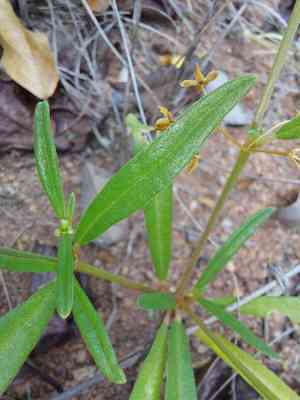
Quickly Identify Gisekia (Gisekia)
1
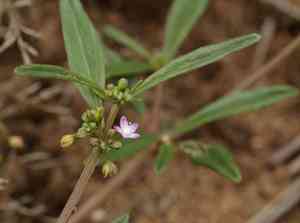
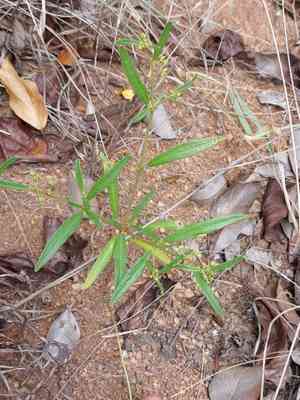
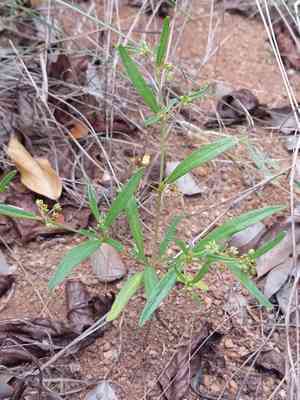
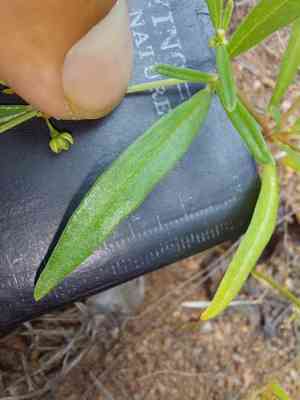
Gisekia can be identified by its small and often inconspicuous flowers, which are clustered and can be found growing in sandy or rocky soils.
Scientific Classification of Gisekia (Gisekia)
Phylum
Tracheophyta
Class
Magnoliopsida
Order
Caryophyllales
Family
Gisekiaceae
Genus
Gisekia
Planting and Growing of Gisekia (Gisekia)
Care Difficulty
Easy
Watering Schedule
Every 2 days
Sunlight Requirements
Partial sun
Sunshine Duration
4-8 hours
Ideal Temperature
68-77℉
Soil Type
Potting Mix, Peat Mix
Soil pH
6-7.5
Fertilizer Type
Balanced
Pruning Season
Spring, Summer
Pruning Area
Branches, Leaves
Pruning Frequency
2 times a year
Repotting Season
Spring
Pot Type
Plastic, Ceramic
 How to Water Gisekia (Gisekia)?
Gisekia plants prefer a moderate watering regime. Ensure that the soil is evenly moist but not soggy. Water about 150 ml each time, making sure the top 2 inches of soil dry out between waterings to prevent root rot.
What are the symptoms of an underwatered Gisekia (Gisekia)?
›
What should I do if my Gisekia (Gisekia) is not getting enough water?
›
What are the symptoms of an overwatered Gisekia (Gisekia)?
›
How to save an overwatered Gisekia (Gisekia)?
›
 What Are the Sunlight Requirements for Gisekia (Gisekia)?
Gisekia thrives best in partial sun. This exposure allows it to photosynthesize properly while minimizing risks of leaf burn, promoting its overall health and ornamental appearance.
Solution
›
Specific Measures
›
Achieved Effects
›
 What Is the Ideal Temperature Range for Gisekia (Gisekia)?
For optimal growth, Gisekia thrives in temperatures ranging from 68°F to 77°F. This range is crucial as it supports key physiological processes such as photosynthesis, transpiration, and respiration, ensuring the plant remains healthy and vigorous. Maintaining this temperature range helps in preventing stress that can lead to reduced growth and productivity.
 What Soil is Best for Gisekia (Gisekia)?
Gisekia thrives in nutrient-rich soil that promotes its robust growth and flowering. Adding organic matter like compost significantly enhances soil fertility, providing the essential nutrients required for the plant's health and productivity. Observing Gisekia's preference for well-drained soil ensures prevention of root rot. Adequate drainage keeps the roots healthy by allowing excess water to escape, balancing moisture levels for optimal plant growth. Gisekia prefers soil with moderate moisture. Keeping soil lightly moist supports its hydration needs without over-saturation, which is key to sustaining the plant in hot, arid climates.
 How to Fertilize Gisekia (Gisekia)?
For Gisekia, the recommended amount of fertilizer is generally moderate. It thrives well with a balanced fertilizer applied at a rate of approximately 1 teaspoon per gallon of water for liquid fertilizers. For slow-release fertilizers, use around 1/8 cup per plant. This ensures the plant gets enough nutrients without the risk of over-fertilization.
 How to Prune Gisekia (Gisekia)?
Begin by identifying any dead or damaged branches. These branches not only affect the plant's aesthetic but can also pose a risk of spreading diseases. Use sharp pruning shears to make clean cuts close to the stem. After removing dead branches, focus on shaping the plant. Gisekia thrives when it has good airflow and receives plenty of sunlight. Prune to achieve a balanced, open shape, removing any overgrown or crossing branches.
 How to Propagate Gisekia (Gisekia) plant?
1
Harvest seeds from mature Gisekia plants during late autumn. Ensure seeds are fully dry before storage to prevent mold and make sure to store them in a cool, dry place.
2
Use a well-draining mixture of soil and sand in seed trays to provide a conducive environment for germination. The right soil composition will support root development and prevent water retention.
3
Select healthy stems for cuttings during early spring. Cut the stem at an angle to maximize the surface area for rooting and plant them in a rooting medium.
 How to Repot Gisekia (Gisekia) plant?
1
Look for signs like roots growing through the drainage holes or water not absorbing well. These are clear indicators that the plant needs more space and it's time for repotting.
2
Opt for a pot that is 1-2 inches larger in diameter than the current one. Ensure it has adequate drainage holes. This prevents root rot and ensures the plant has room to grow.
3
Use a well-draining potting mix, ideally a sandy loam. This ensures proper drainage and prevents waterlogging, which can be detrimental to the plant's health.

