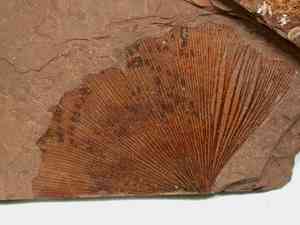
Ginkgo (Ginkgo) (Ginkgo)
Also known as: Maidenhair Tree
Ginkgo biloba belongs to an ancient genus of unique non-flowering seed plants, with the earliest fossil evidence dating back 270 million years. While it naturally grows only in China, it is widely cultivated worldwide. This species is famous for its fan-shaped leaves that turn a striking golden yellow in the fall.
In This Article
Attributes of Ginkgo (Ginkgo)
Lifespan
Perennial. Ginkgo trees are long-lived and can survive for over a thousand years.
Plant Height
20-35 meters
Spread
8-10 meters
Leaf Color
Green (spring and summer), Yellow (autumn)
Flower Size
N/A (Ginkgo does not have typical flowers; it produces seeds instead)
Flower Color
N/A (as above)
Images of Ginkgo (Ginkgo)
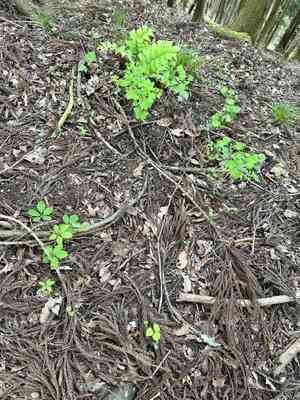
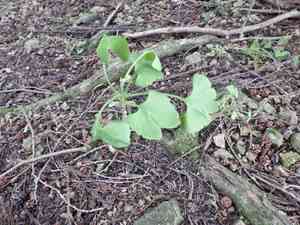
Quickly Identify Ginkgo (Ginkgo)
1
Ginkgo can be identified by its distinctive fan-shaped leaves, which turn a bright yellow color in autumn. The tree\'s bark is pale gray and deeply fissured in older specimens. Female trees produce plum-like seeds with a foul odor when ripe.
Scientific Classification of Ginkgo (Ginkgo)
Phylum
Ginkgophyta
Class
Ginkgoopsida
Order
Ginkgoales
Family
Ginkgoaceae
Genus
Ginkgo
Planting and Growing of Ginkgo (Ginkgo)
Care Difficulty
Easy
Watering Schedule
Every 2 days
Sunlight Requirements
Full sun
Sunshine Duration
4-6 hours
Ideal Temperature
60-75℉
Soil Type
Potting Mix, Peat Mix
Soil pH
6.5-7.5
Fertilizer Type
Balanced
Pruning Season
Spring, Summer
Pruning Area
Branches, Leaves
Pruning Frequency
2 times a year
Repotting Season
Spring
Pot Type
Plastic, Ceramic
 How to Water Ginkgo (Ginkgo)?
When watering a Ginkgo tree, the key is moderation. Ensure that the soil is evenly moist but not waterlogged. The tree roots need room to breathe, so avoid pouring too much water at once. It's better to water thoroughly but less often, allowing the top 1-2 inches of soil to dry out between waterings to prevent root rot.
What are the symptoms of an underwatered Ginkgo (Ginkgo)?
›
What should I do if my Ginkgo (Ginkgo) is not getting enough water?
›
What are the symptoms of an overwatered Ginkgo (Ginkgo)?
›
How to save an overwatered Ginkgo (Ginkgo)?
›
 What Are the Sunlight Requirements for Ginkgo (Ginkgo)?
Ginkgo thrives in conditions that offer full sun for at least six hours a day, which supports optimal leaf development, vigorous growth, and the production of its signature golden autumn foliage.
How much sun does Ginkgo need?
›
What are solutions for optimal sunlight?
›
What benefits arise from ideal sunlight?
›
 What Is the Ideal Temperature Range for Ginkgo (Ginkgo)?
For Ginkgo plants, the ideal temperature range lies between 60°F and 75°F. In this range, the plant can perform photosynthesis efficiently and maintain optimal growth. This moderate range ensures that the plant's physiological processes are stable. During these conditions, nutrient uptake and water absorption are optimally balanced, promoting healthy foliage development and resilience against environmental stresses.
 What Soil is Best for Ginkgo (Ginkgo)?
Ginkgo thrives best in soils that are well-draining to prevent root rot. Well-drained soil ensures that water does not accumulate around the roots, which could otherwise lead to potential root diseases, ensuring the plant remains healthy and stable. Ginkgo prefers a nutrient-rich soil to support its slow growth. Such soil provides essential nutrients required for robust foliage and overall plant health, ensuring longevity and vigor. While Ginkgo is not highly demanding, moderate fertility levels in the soil help in maintaining their distinct fan-shaped leaves vibrant. It reduces the need for frequent fertilization, thus easing maintenance efforts.
 How to Fertilize Ginkgo (Ginkgo)?
Ginkgo trees, also known as Ginkgo biloba, require a balanced approach to fertilization. When using liquid fertilizers, a light application is recommended, typically about half the strength suggested by the manufacturer for general plants. For slow-release fertilizers, ensure that you apply approximately a handful (or roughly 50-60 grams, depending on tree size) per application to avoid over-fertilization and ensure optimal nutrient uptake.
 How to Prune Ginkgo (Ginkgo)?
Begin by removing any dead, diseased, or broken branches. Target branches that cross over others or grow inward, as they can impede growth and airflow. Employ proper tools such as bypass pruners for smaller branches and pruning saws for thicker limbs. To maintain the natural form of the Ginkgo tree, make precise cuts at a 45-degree angle just above a bud, which encourages new growth in the desired direction. Avoid excessive pruning, as Ginkgo trees have a unique, pyramidal shape that should be preserved.
 How to Propagate Ginkgo (Ginkgo) plant?
1
Collect seeds from mature Ginkgo trees in autumn. Clean the seeds to remove any pulp, then stratify them over winter by placing them in a refrigerator for a few months.
2
In late spring, sow the stratified seeds in seed starting trays filled with a well-draining potting mix. Lightly cover the seeds with soil and water gently.
3
Prepare your rootstock and scion materials in early summer. Ensure that both the scion and rootstock are healthy and of compatible sizes.
 How to Repot Ginkgo (Ginkgo) plant?
1
Ginkgo trees need repotting when you notice roots emerging from drainage holes, or if the soil dries out too quickly after watering. These signs indicate that the roots have outgrown their current space. Spring and autumn are ideal as these seasons provide a mild climate for the plant to adjust to new soil conditions.
2
Choose a pot that's about 2 inches larger in diameter than the current one to allow room for growth without overwhelming the plant. A pot with good drainage is essential to prevent waterlog, which can lead to root rot. Preferably, opt for materials like terracotta that allow breathability.
3
Ginkgo prefers a loamy, well-draining soil composition. The balanced texture helps retain necessary moisture while allowing excess water to escape, preventing root rot. Ensure that the soil has a pH close to neutral to match Ginkgo's natural preferences for healthy growth.
Toxicity
Ingestion of seeds or pulp
WARNING
The judgment on toxicity and danger is for reference only. We DO NOT GUARANTEE any accuracy of such judgment. Therefore, you SHALL NOT rely on such judgment. It is IMPORTANT TO SEEK PROFESSIONAL ADVICE in advance when necessary.

