Bowman's root (Gillenia trifoliata)
Also known as: Fawn's breath
Consider the Wild Columbine (Aquilegia canadensis) for your garden. This native U.S. perennial thrives in shaded areas and requires minimal maintenance. Its distinctive flowers are a magnet for butterflies and hummingbirds, and it's naturally resistant to pests and diseases.
In This Article
Attributes of Bowman's root
Lifespan
Perennial
Plant Type
Herb, Shrub
Plant Height
61 cm to 1.2 m
Spread
45 cm to 90 cm
Leaf Color
Green
Flower Size
2.5 cm to 8 cm
Flower Color
White
Images of Bowman's root
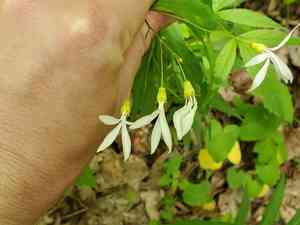
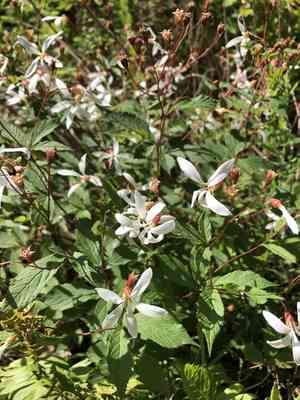
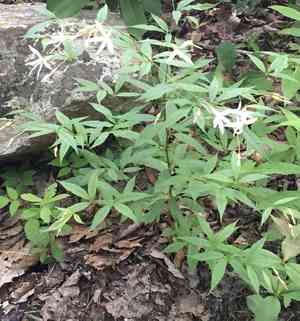
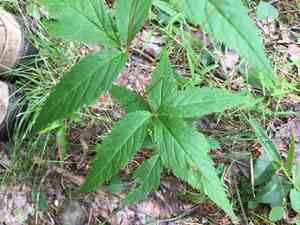
Quickly Identify Bowman's root
1
Clump-forming habit, 2-3 feet (60-90 cm) tall
2
Three-lobed, finely toothed leaves on reddish stems
3
Star-shaped white flowers with reflexed petals, feathery appearance
4
Distinctive capsule fruits, 1/3 inch (0.85 cm) in length
5
Thin, reddish-brown stems with twisted appearance, 0.1-0.2 inches (2.5-5 mm) in diameter
Scientific Classification of Bowman's root
Phylum
Vascular plants
Class
Dicotyledons
Order
Rosales
Family
Rose
Genus
Bowman's roots
Species
Bowman's root
Planting and Growing of Bowman's root
Care Difficulty
Easy
Watering Schedule
Every 4 days
Sunlight Requirements
Partial sun
Sunshine Duration
6-10 hours
Ideal Temperature
60-75℉
Soil Type
Potting Mix, Peat Mix
Soil pH
6.5-7.5
Fertilizer Type
Balanced
Pruning Season
Spring, Summer
Pruning Area
Branches, Leaves
Pruning Frequency
2 times a year
Repotting Season
Spring
Pot Type
Plastic, Terracotta
 How to Water Bowman's root?
Gillenia trifoliata prefers a moderate watering regimen. Ensure that the soil is moist but not waterlogged. Aim to allow the top inch of the soil to dry out between waterings. This plant thrives when the root zone gets an even moisture level without excessive saturation.
What are the symptoms of an underwatered Bowman's root?
›
What should I do if my Bowman's root is not getting enough water?
›
What are the symptoms of an overwatered Bowman's root?
›
How to save an overwatered Bowman's root?
›
 What Are the Sunlight Requirements for Bowman's root?
Partial sun or dappled sunlight is ideal. It ensures balanced growth, robust structure, and vibrant blooms by providing enough light without overwhelming the plant.
More About Sunlight Requirements Techniques→
What is the ideal light condition?
›
Solutions for ideal lighting conditions?
›
How does ideal lighting benefit the plant?
›
 What Is the Ideal Temperature Range for Bowman's root?
Gillenia trifoliata thrives best in temperatures ranging from 60°F to 75°F. This temperature range supports robust growth and flowering by allowing the plant's metabolic processes to function efficiently. Maintaining this range will ensure healthy foliage and vibrant blossoms.
 What Soil is Best for Bowman's root?
Gillenia trifoliata thrives in well-draining soil, which prevents waterlogging and ensures proper root aeration. This promotes healthy root growth and prevents root rot. While drainage is critical, maintaining adequate moisture levels is essential. Loamy soil helps retain necessary moisture, supporting the plant's hydration needs without drowning the roots. A nutrient-rich soil offers essential vitamins and minerals for vigorous plant growth. This supports lush foliage and vibrant floral displays typical of Gillenia trifoliata.
 How to Fertilize Bowman's root?
When fertilizing Gillenia trifoliata, it's crucial to apply just enough to maintain healthy growth without overwhelming the plant. Use approximately half the recommended strength of a balanced liquid fertilizer for general use. For solid fertilizers, apply a thin layer around the base, ensuring it doesn't directly touch the stems.
 How to Prune Bowman's root?
Start by removing any dead or damaged stems at their base. Trim back the plant to open up its structure and allow light and air to penetrate, encouraging denser growth without overcrowding. Carefully trim back longer branches to maintain the plant's natural shape. Make your cuts just above a pair of leaves or a growth bud to promote new branching. After pruning, disinfect your tools with rubbing alcohol or a bleach solution to prevent transferring diseases to other plants. This step is crucial for maintaining plant health.
More About Pruning Techniques→
 How to Propagate Bowman's root plant?
1
Use a well-draining potting mix to fill your propagation trays or pots. Ensure that the soil is slightly moist, which helps seeds and cuttings establish roots and reduces the risk of rot.
2
Cut a healthy stem about 4-6 inches long with at least two leaves using pruning shears. Remove the lower leaves to reduce water loss through transpiration.
3
Sprinkle seeds over the prepared soil and lightly cover them with a thin layer of soil. Maintain soil moisture and ensure adequate light exposure to encourage germination.
 How to Repot Bowman's root plant?
1
Look for signs like roots emerging from the drainage holes or plant growth becoming stunted. These indicate that Gillenia trifoliata needs more space to grow, making it the right time for repotting.
2
Choose a pot that is only slightly larger than the current one, ideally 1-2 inches bigger in diameter. This prevents overwatering while allowing room for growth, ensuring a healthy balance between root expansion and soil moisture.
3
Use well-draining, loamy soil mixed with organic matter. This mimics its natural environment, enhancing nutrient absorption and preventing waterlogging, crucial for maintaining the health of Gillenia trifoliata.
Learn More About Bowman's root Diseases
Anthracnose
Bacterial Leaf Spot
Bacterial Soft Rot
Chemical Injury
Crown Gall
Damping-off
Downy Mildew
Drought Stress
Fusarium Wilt
Gray Mold
Leaf Spot
Mosaic
Nutrient Deficiency
Nutrient Toxicity
Powdery Mildew
Root Rot
Root-knot Nematode
Rusts
Sooty Mold
Spider Mites
Temperature Stress
Thrips Damage
White Mold



