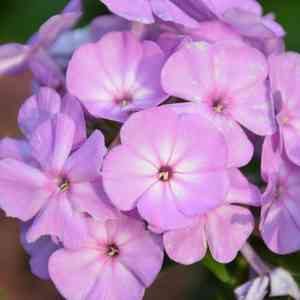
Clokey's gilia (Gilia clokeyi)
Also known as: None
The herb features an upright stem that can grow up to 17 centimeters in height. Its lower sections are often covered with cobweb-like fibers, while the upper parts have glandular hairs. The leaves, which are lobed and can reach up to 3 centimeters in length, form a basal rosette at the ground level and also appear on the lower portion of the stem.
In This Article
Attributes of Clokey's gilia
Lifespan
Annual
Plant Type
Herb
Plant Height
Up to 12 inches (30 cm)
Spread
Not significant
Leaf Color
Green
Flower Size
Up to 0.4 inches (1 cm)
Flower Color
Blue to lavender with white or yellow centers
Images of Clokey's gilia
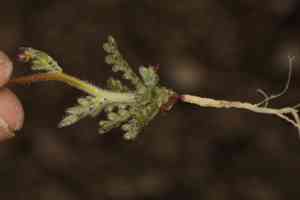
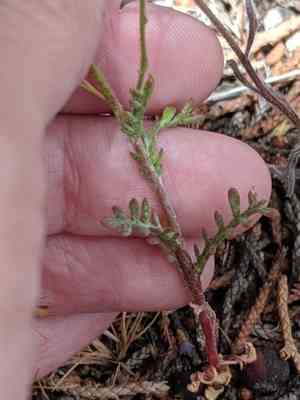
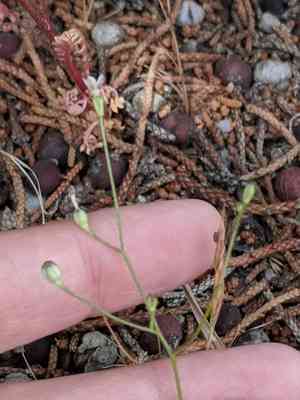
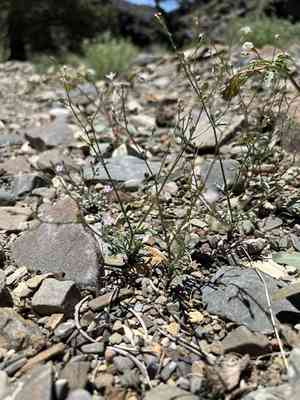
Quickly Identify Clokey's gilia
1
Gilia clokeyi can be identified by its small, delicate stems and its clusters of tiny, tubular flowers. The flowers are typically blue or lavender with white or yellow centers. The leaves are narrow and divided into thread-like segments.
Scientific Classification of Clokey's gilia
Phylum
Vascular plants
Class
Dicotyledons
Order
Ericales
Family
Phlox
Genus
Gilia
Species
Clokey's gilia
Planting and Growing of Clokey's gilia
Care Difficulty
Moderate
Watering Schedule
Every 2 days
Sunlight Requirements
Full sun
Sunshine Duration
6-12 hours
Ideal Temperature
60-75℉
Soil Type
Potting Mix, Peat Mix
Soil pH
6.5-7.5
Fertilizer Type
Balanced
Pruning Season
Spring, Summer
Pruning Area
Branches, Leaves
Pruning Frequency
2 times a year
Repotting Season
Spring
Pot Type
Plastic, Ceramic
 How to Water Clokey's gilia?
Gilia clokeyi thrives in well-draining soil, requiring approximately 250 milliliters of water per session. The goal is to moisten the upper 2 inches of the soil without causing waterlogging, which can harm the roots. It's crucial to observe the soil and allow it to dry out slightly between waterings.
What are the symptoms of an underwatered Clokey's gilia?
›
What should I do if my Clokey's gilia is not getting enough water?
›
What are the symptoms of an overwatered Clokey's gilia?
›
How to save an overwatered Clokey's gilia?
›
 What Are the Sunlight Requirements for Clokey's gilia?
Gilia clokeyi prefers full sun, making it best suited for environments where it can enjoy full daylight exposure. This exposure helps the plant maintain a vigorous growth rate and enhances its blooming cycle.
What is the best location for Gilia clokeyi?
›
How can I provide adequate light indoors?
›
What benefits do these lighting conditions offer?
›
 What Is the Ideal Temperature Range for Clokey's gilia?
The ideal temperature range for Gilia clokeyi is between 60°F and 75°F. Within this range, the plant will thrive and produce vibrant blooms. It's important to maintain consistent temperature conditions to ensure healthy growth.
 What Soil is Best for Clokey's gilia?
Gilia clokeyi thrives in well-drained soil, which prevents waterlogging and root rot. This type of soil also helps in maintaining moderate moisture levels essential for healthy growth. A nutrient-rich soil supports the robust growth of Gilia clokeyi by providing essential nutrients and minerals. Enriched soil tends to enhance the plant's flowering and overall vigor. Light, airy soil textures allow for optimal root expansion and nutrient uptake. This characteristic promotes strong root systems and aids the plant in accessing deeper water reserves during dry spells.
 How to Fertilize Clokey's gilia?
For Gilia clokeyi, use a balanced 10-10-10 liquid fertilizer at a concentration of 1/4 teaspoon per gallon of water. Avoid using a high concentration of fertilizer, as this can harm the plant's delicate root structure.
 How to Prune Clokey's gilia?
Begin by sterilizing your pruning shears to avoid transferring any infections to the plant. Identify dead or wilted flowers and stems and carefully snip them off close to the base. This helps enhance growth and the overall health of the plant by directing energy toward healthier parts. When aiming to shape the plant, remove any irregular or overly long stems to maintain a pleasing form. Cut above a node or at the base, making clean, angled cuts. This encourages bushier growth and helps Gilia clokeyi sustain a neat shape.
 How to Propagate Clokey's gilia plant?
1
Begin by filling seed trays with a sterile potting mix, ensuring it's evenly spread and gently firmed down. Ensure good drainage to prevent water stagnation, which can harm seedlings.
2
Place Gilia clokeyi seeds on top of the mix, pressing lightly into the soil but not covering them fully as they require light for germination. Space seeds adequately to allow healthy growth.
3
Water gently so the soil remains moist but not saturated. Consider covering with a plastic cover to maintain humidity, ensuring the cover doesn't touch the seeds.
 How to Repot Clokey's gilia plant?
1
Gilia clokeyi shows signs of needing repotting when its roots start emerging from the drainage holes and the growth speed reduces. Spring and Autumn provide the best conditions for repotting as the milder temperatures allow the plant to recover swiftly.
2
Choose a pot slightly larger than the current one, about 1-2 inches wider. A pot with good drainage holes is essential to prevent root rot, ensuring your Gilia clokeyi thrives and has space to grow without overly saturating the soil.
3
Opt for a well-draining sandy soil mix, which imitates Gilia clokeyi's natural habitats. This type of soil ensures excess water flows away, protecting roots from rotting, while providing the necessary nutrients for healthy plant development.
Learn More About Clokey's gilia Diseases
Anthracnose
Bacterial Leaf Spot
Bacterial Soft Rot
Bacterial Wilt
Black Spot
Chemical Injury
Crown Gall
Cyst Nematode
Damping-off
Downy Mildew
Drought Stress
Fusarium Wilt
Gray Mold
Leaf Curl
Leaf Spot
Mosaic
Nutrient Deficiency
Nutrient Toxicity
Powdery Mildew
Root Rot
Root-knot Nematode
Rusts
Sooty Mold
Spider Mites
Temperature Stress
Thrips Damage
White Mold



