
Wood avens (Geum urbanum)
Also known as: Wood Avens, Herb Bennet
The plant you're referring to is wood avens (Geum urbanum). A member of the rose family, this perennial is native to Europe and the Middle East. Folklore often credits wood avens with spiritual qualities, including the ability to repel negative energies.
In This Article
Attributes of Wood avens
Lifespan
Perennial
Plant Type
Herb
Plant Height
50 cm
Spread
50 cm
Leaf Color
Green
Flower Size
1 cm to 2 cm
Flower Color
Yellow
Images of Wood avens
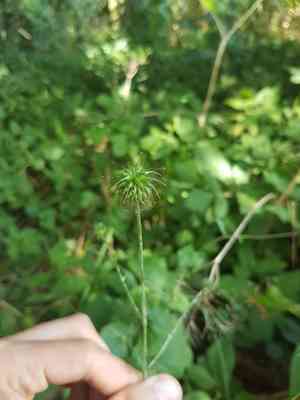
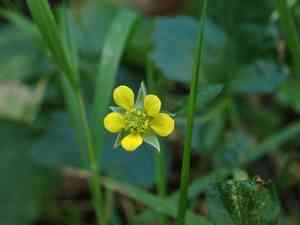
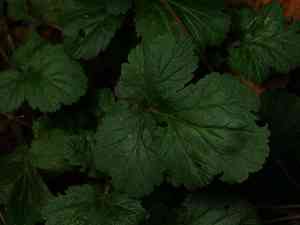
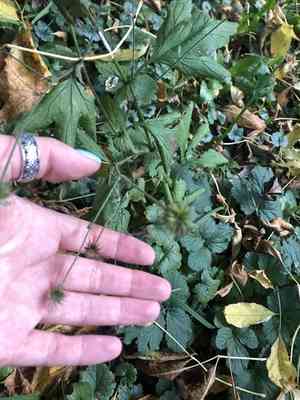
Quickly Identify Wood avens
1
The plant can be identified by its yellow, five-petaled flowers and hairy, trifoliate leaves with serrated edges. The flowers are approximately 1-2 cm in diameter.
Scientific Classification of Wood avens
Phylum
Vascular plants
Class
Dicotyledons
Order
Rosales
Family
Rose
Genus
Avens
Species
Wood avens
Planting and Growing of Wood avens
Care Difficulty
Easy
Watering Schedule
Every 2 days
Sunlight Requirements
Partial sun
Sunshine Duration
6-8 hours
Ideal Temperature
60-75℉
Soil Type
Potting Mix, Peat Mix
Soil pH
6.5-7.5
Fertilizer Type
Balanced
Pruning Season
Spring, Summer
Pruning Area
Branches, Leaves
Pruning Frequency
2 times a year
Repotting Season
Spring
Pot Type
Plastic, Ceramic
 How to Water Wood avens?
Geum urbanum, also known as wood avens, thrives best when its soil is kept consistently moist but not waterlogged. Watering should aim to mimic the natural, gentle rainfall these plants might experience in their natural woodland habitat. A single watering session should generally involve around 150 ml of water, enough to thoroughly moisten the top few inches of soil without causing excess drainage or runoff.
More About Watering Techniques→
What are the symptoms of an underwatered Wood avens?
›
What should I do if my Wood avens is not getting enough water?
›
What are the symptoms of an overwatered Wood avens?
›
How to save an overwatered Wood avens?
›
 What Are the Sunlight Requirements for Wood avens?
Geum urbanum prefers partial sun to full shade, providing an environment reminiscent of its woodland habitat. Adequate lighting enhances blooming and maintains vibrant foliage.
More About Sunlight Requirements Techniques→
How much light does Geum urbanum require?
›
What is the best way to ensure ideal light conditions for Geum urbanum?
›
What benefits can Geum urbanum gain from ideal lighting?
›
 What Is the Ideal Temperature Range for Wood avens?
Geum urbanum thrives best in temperatures ranging from 60°F to 75°F. These temperatures ensure optimal photosynthesis and growth without the risk of heat stress or cold damage. Maintaining this range encourages the plant's flowering and overall health, making it a vital aspect of care.
 What Soil is Best for Wood avens?
Geum urbanum thrives best in soil with good moisture retention. This quality helps to ensure that the plant receives an adequate supply of water, enabling it to maintain a vibrant and healthy appearance throughout the growing season. This plant benefits significantly from nutrient-rich soil which provides essential minerals and organic matter that support robust growth and lush foliage. A nutrient-dense environment aids in flowering and overall plant vigor. While moisture retention is important, ensuring the soil drains well prevents waterlogging, which can lead to root rot and other health issues. Well-drained soil promotes healthy root development and stability.
More About Soil→
 How to Fertilize Wood avens?
For Geum urbanum, a well-balanced fertilizer should be used. Liquid fertilizers should be diluted to half strength to prevent root burn, typically around 1 teaspoon per liter of water. Granular fertilizers should be sprinkled lightly at the base of the plant, about 28 grams per square meter, to provide a steady nutrient release over time.
More About Fertilizing Techniques→
 How to Prune Wood avens?
Begin by identifying any dead or damaged stems and remove them at the base. Then, cut back any old flower stalks to encourage new blooms. Focus on thinning out the center of the plant to allow light and air to penetrate, which can prevent fungal diseases. Trim back any stray or overly long stems to maintain the desired shape of your Geum urbanum. Regular shaping promotes a compact and aesthetically pleasing form.
More About Pruning Techniques→
 How to Propagate Wood avens plant?
1
Begin by filling the seed trays with potting soil. Sow the Geum urbanum seeds evenly and cover with a thin layer of soil. Water gently to keep the soil consistently moist but not waterlogged.
2
Select a mature Geum urbanum plant and use a garden fork to carefully lift the plant from the ground. Gently shake off excess soil to expose the root system clusters for division.
3
Separate the root ball into smaller sections, ensuring each division has adequate roots and shoots. Transplant these divisions into freshly prepared holes, water well to reduce transplant shock, and firm the soil around the roots.
 How to Repot Wood avens plant?
1
Look for signs such as roots growing out of the drainage holes or the plant becoming top-heavy, indicating insufficient pot space. These signals suggest it's time to repot. Choose a time in early spring when the plant starts its new growth cycle, as this allows it to recover quickly from the stress of repotting.
2
Select a pot that's 1 to 2 inches larger in diameter than the current one, ensuring it has drainage holes to prevent waterlogging. A slightly larger pot gives the roots more space to expand, promoting healthier growth while allowing excess water to escape, reducing the risk of root rot.
3
Opt for a well-draining, nutrient-rich mix that retains moisture without becoming waterlogged. A good mix often includes peat, compost, and sand. This rich medium provides essential nutrients, supports healthy root development, and maintains the right moisture balance, crucial for plant vitality.



