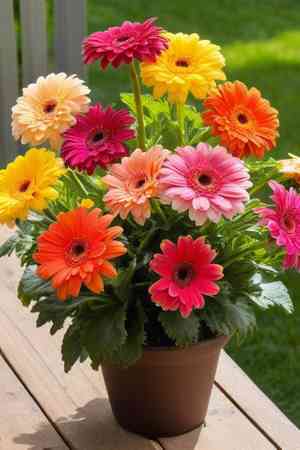
Gerbera leandrii (Gerbera leandrii)
Also known as: Leandri's Gerbera
Gerbera leandrii is a species of flowering plant in the family Asteraceae, known for its vibrant and large inflorescence. It is endemic to specific regions and is often appreciated for its ornamental value.
In This Article
Attributes of Gerbera leandrii
Lifespan
Perennial
Images of Gerbera leandrii
Quickly Identify Gerbera leandrii
1
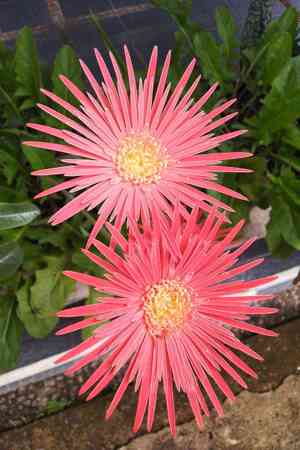
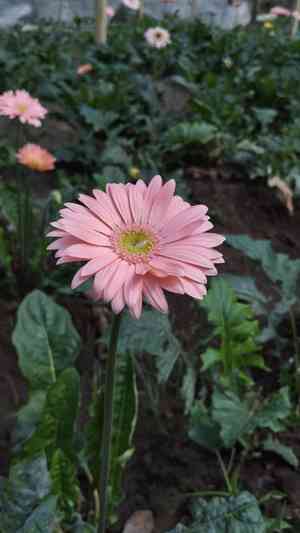
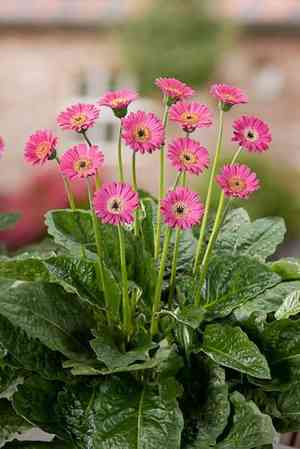
Gerbera leandrii can be identified by its large, daisy-like flowers with a prominent central disc. The flowers are typically bright and can be found in various colors.
Scientific Classification of Gerbera leandrii
Phylum
Magnoliophyta
Class
Magnoliopsida
Order
Asterales
Family
Asteraceae
Genus
Gerbera
Planting and Growing of Gerbera leandrii
Watering Schedule
Every 3 days
Sunlight Requirements
Partial sun
Sunshine Duration
6-10 hours
Ideal Temperature
60-75℉
Soil Type
Potting Mix, Peat Mix
Soil pH
6.5-7.5
Fertilizer Type
Balanced
Pruning Season
Spring, Summer
Pruning Area
Branches, Leaves
Pruning Frequency
2 times a year
Repotting Season
Spring
Pot Type
Plastic, Ceramic
 How to Water Gerbera leandrii?
For Gerbera leandrii, it is essential to provide 200 ml of water each time you water the plant. Stick to the principle of ensuring the potting mix remains consistently moist but not soggy. Check that the top inch of the soil is dry before the next watering session.
What are the symptoms of an underwatered Gerbera leandrii?
›
What should I do if my Gerbera leandrii is not getting enough water?
›
What are the symptoms of an overwatered Gerbera leandrii?
›
How to save an overwatered Gerbera leandrii?
›
 What Are the Sunlight Requirements for Gerbera leandrii?
Gerbera leandrii thrives best in partial to full sun conditions. Ideal lighting ensures optimal photosynthesis, promoting better blooms, lush foliage, and a healthier plant overall.
What is the ideal sun exposure duration for Gerbera leandrii?
›
What are the solutions to achieve ideal light conditions?
›
What benefits are observed when ideal light conditions are met?
›
 What Is the Ideal Temperature Range for Gerbera leandrii?
The optimal temperature range for Gerbera leandrii cultivation is between 60°F to 75°F. This range allows for optimal growth and flowering. At these temperatures, the plant can efficiently carry out photosynthesis and maintain healthy metabolic functions, ensuring robust and vibrant blooms.
 What Soil is Best for Gerbera leandrii?
Gerbera leandrii thrives in well-drained soils that prevent root rot. Adequate drainage ensures the roots get enough oxygen, thereby promoting vigorous growth and vibrant blooms. This plant prefers moderate fertility levels to maintain balanced nutrient uptake. Overly rich soil can lead to lush foliage but poor flowering, so balanced nutrients are key. A slightly acidic to neutral pH of 6.5 to 7.5 aids in optimal nutrient availability and uptake, making it crucial for healthy foliage and abundant blooms.
 How to Fertilize Gerbera leandrii?
For Gerbera leandrii, use a balanced liquid fertilizer at half the recommended strength to avoid burning the roots. Typically, 1 tablespoon of liquid fertilizer diluted in one gallon of water is adequate. Ensure that the fertilizer is spread evenly around the base of the plant to support healthy growth.
 How to Prune Gerbera leandrii?
Begin by identifying any dead or wilting flowers. Use your pruners to cut the stem close to the base of the plant. This process, known as deadheading, encourages the plant to produce more flowers rather than trying to sustain the dying blooms. Carefully examine your Gerbera leandrii for any yellow or brown leaves. Remove these at the base to improve air circulation around the plant's crown and prevent possible diseases from spreading. Trim the plant to maintain a uniform shape, focusing on any excessively long or unruly stems. A well-shaped Gerbera leandrii is not only visually appealing but also ensures that light and air can evenly reach all parts of the plant.
 How to Propagate Gerbera leandrii plant?
1
To propagate from seeds, use fresh seeds for the best results. Plant them in seed trays or small pots filled with a well-draining seed compost. Cover lightly with soil and keep the medium consistently moist until germination, which usually takes about two to three weeks.
2
For division propagation, wait until the plant is mature with multiple crowns. Gently lift the plant from the pot or ground and observe the root system. Use a sharp knife to separate the crowns, ensuring each section has roots attached.
3
After dividing or planting seeds, ensure the new plants are established in a place with good sunlight and consistent moisture levels. Protect young plants from harsh weather to promote healthy growth.
 How to Repot Gerbera leandrii plant?
1
Gerbera leandrii typically needs repotting when you notice roots protruding from the drainage holes or the soil drying out much faster than usual. These are clear signs that the plant has outgrown its current pot and requires more space to thrive.
2
Select a pot that is only slightly larger than the current one, with adequate drainage holes. This allows the roots to spread modestly, providing stability for the plant while preventing standing water, which is essential for avoiding root rot.
3
Opt for well-draining, sandy soil for repotting Gerbera leandrii. This type of soil mimics the plant's natural habitat, ensuring it receives necessary nutrients while effectively preventing waterlogging that can lead to root rot.
Learn More About Gerbera leandrii Diseases
Anthracnose
Bacterial Leaf Spot
Bacterial Soft Rot
Bacterial Wilt
Black Spot
Chemical Injury
Crown Gall
Damping-off
Downy Mildew
Drought Stress
Fusarium Wilt
Gray Mold
Leaf Curl
Leaf Spot
Mosaic
Nutrient Deficiency
Nutrient Toxicity
Powdery Mildew
Root Rot
Root-knot Nematode
Rusts
Sooty Mold
Spider Mites
Temperature Stress
Thrips Damage
White Mold

