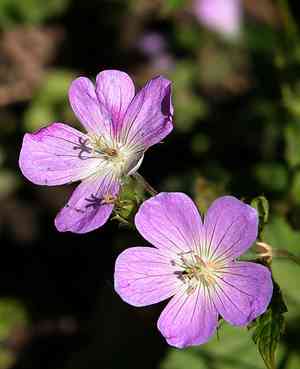
Wild geranium (Geranium maculatum)
Also known as: Wild crane's-bill, Alum root
The wild geranium, native to the woodlands of eastern North America, is a perennial plant historically utilized in Native American rituals. It stands out for its unique flowers and beaklike seed pods, leading to the selection of many horticultural cultivars. Among geraniums, the wild geranium is notable for having the largest flowers.
In This Article
Attributes of Wild geranium
Lifespan
Perennial, Annual
Plant Type
Herb
Plant Height
60 cm
Spread
30 cm to 60 cm
Leaf Color
Green
Flower Size
2.5 cm to 4 cm
Flower Color
Pink Purple White
Images of Wild geranium
Quickly Identify Wild geranium
1
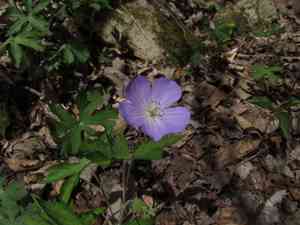
Saucer-shaped flowers in pink to lilac hues with distinctive nectar guide veins.
2
Beaked seed capsules resembling a crane's bill, about 1 inch (2.5 cm) long.
3
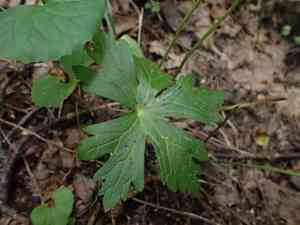
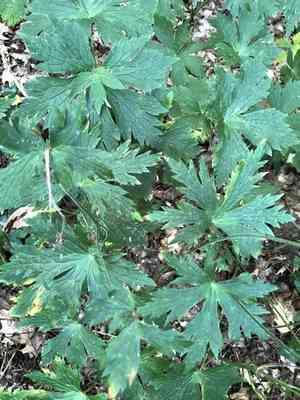
Deeply lobed, palmate leaves with coarse-toothed margins, covered in fine hairs.
4
Round stems, green to reddish in color, 0.2-0.4 inches (0.5-1 cm) thick, and hairy.
5
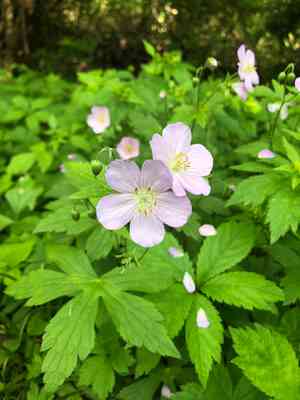
Clump-forming habit with delicate lavender or purple flowers on 1-2 feet (30-60 cm) erect stems.
Scientific Classification of Wild geranium
Phylum
Vascular plants
Class
Dicotyledons
Order
Geraniales
Family
Geranium
Genus
Geraniums
Species
Wild geranium
Planting and Growing of Wild geranium
Care Difficulty
Easy
Watering Schedule
Every 4 days
Sunlight Requirements
Partial sun
Sunshine Duration
6-10 hours
Ideal Temperature
60-75℉
Soil Type
Potting Mix, Peat Mix
Soil pH
6.5-7.5
Fertilizer Type
Balanced
Pruning Season
Spring, Summer
Pruning Area
Branches, Leaves
Pruning Frequency
Once a year
Repotting Season
Spring
Pot Type
Plastic, Ceramic
 How to Water Wild geranium?
For Geranium maculatum, water until the soil is moist but not waterlogged. Aim for about 250 ml per watering session to ensure the soil is sufficiently hydrated. Always ensure that the water soaks through to the root zone without leaving the soil oversaturated. The goal is to maintain consistent moisture throughout the growing season without drenching.
What are the symptoms of an underwatered Wild geranium?
›
What should I do if my Wild geranium is not getting enough water?
›
What are the symptoms of an overwatered Wild geranium?
›
How to save an overwatered Wild geranium?
›
 What Are the Sunlight Requirements for Wild geranium?
Partial sun is optimal for this plant, balancing between adequate exposure for photosynthesis while protecting against leaf damage. The ideal conditions improve foliage color, increase bloom quantity, and promote robust plant growth.
More About Sunlight Requirements Techniques→
What is the best lighting condition for Geranium maculatum?
›
How to achieve ideal lighting conditions?
›
What are the benefits of providing ideal light?
›
 What Is the Ideal Temperature Range for Wild geranium?
Geranium maculatum thrives best within an ideal temperature range of 60°F to 75°F. This range ensures optimal growth and bloom production, as it provides a stable environment for metabolic processes and nutrient uptake, which are crucial for the health and vibrancy of the plant.
 What Soil is Best for Wild geranium?
Geranium maculatum thrives in well-draining soil, preventing root rot and ensuring sufficient oxygen reaches the roots. This is vital for healthy plant growth and robust flowering. Moderately fertile soil provides the necessary nutrients for Geranium maculatum without overwhelming it, promoting healthy foliage and vibrant flowers without the risk of nutrient burn. Maintaining soil that's moist yet not waterlogged supports Geranium maculatum's water needs, promoting strong root development without risking rot or fungal diseases.
More About Soil→
 How to Fertilize Wild geranium?
Geranium maculatum prefers a balanced fertilizer application. When using liquid fertilizers, mix at a rate of ¼ to ½ teaspoon per gallon of water. For slow-release fertilizers, apply according to label instructions, usually around 2-4 tablespoons per plant, ensuring not to over-fertilize.
More About Fertilizing Techniques→
 How to Prune Wild geranium?
Begin by removing any dead or diseased leaves, which can be recognized by discoloration or spots. Follow by trimming back any overgrown or spindly stems to maintain a compact shape. Always cut above a leaf node to encourage bushy growth. After pruning, water the Geranium maculatum well but avoid soaking the leaves. Applying a light layer of organic mulch can also help retain moisture and keep the soil temperature consistent.
More About Pruning Techniques→
 How to Propagate Wild geranium plant?
1
Fill seed trays with a well-draining seed-starting mix. Ensure the trays are clean and disinfected to prevent any potential pathogens from affecting the germination process.
2
Select healthy stems and use pruning shears to make a clean cut just below a node. Each cutting should be about 4-6 inches long and free from any flowers or buds to encourage root growth.
3
Carefully dig up mature plants and gently divide the root clumps into smaller sections, making sure each section has several buds or growth points that will allow them to develop independently.
 How to Repot Wild geranium plant?
1
Monitor for signs such as root-bound conditions, where roots start circling the pot, or if soil becomes compacted and waterlogged. Ideally, repot Geranium maculatum during Spring or Autumn when the plant isn't in full bloom, to minimize stress.
2
Select a pot that is one size larger in diameter than the current one, with sufficient drainage holes to prevent waterlogging. A slightly larger pot allows space for root expansion without overwhelming the plant, promoting healthy and unrestrained growth.
3
Opt for well-draining soil rich in organic matter. This natural composition provides a hospitable environment that manages moisture efficiently, preventing root rot while nurturing the plant with essential nutrients for robust growth and vibrant flowers.
Learn More About Wild geranium Diseases
Anthracnose
Bacterial Leaf Spot
Black Spot
Chemical Injury
Crown Gall
Damping-off
Downy Mildew
Drought Stress
Fusarium Wilt
Gray Mold
Leaf Curl
Leaf Spot
Mosaic
Nutrient Deficiency
Nutrient Toxicity
Powdery Mildew
Root Rot
Root-knot Nematode
Rusts
Sooty Mold
Spider Mites
Temperature Stress
Thrips Damage
White Mold



