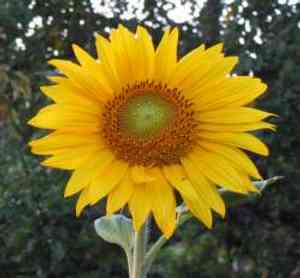
Desert gold (Geraea canescens)
Also known as: Desert sunflower
*Senecio vulgaris*, commonly known as groundsel, derives part of its scientific name from the Greek word for "old man," due to the white hairs found on its seeds. This annual flowering plant belongs to the sunflower family and is widely distributed.
In This Article
Attributes of Desert gold
Lifespan
Annual
Plant Type
Herb
Plant Height
30 cm to 91 cm
Spread
30 cm to 60 cm
Leaf Color
Green
Flower Size
2.5 cm to 5 cm
Flower Color
Yellow Orange
Images of Desert gold
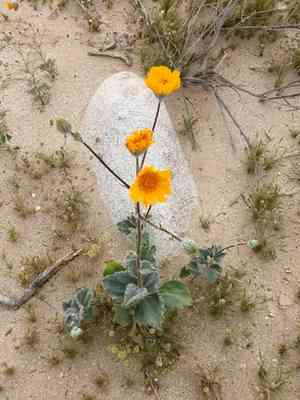
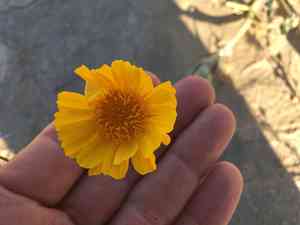
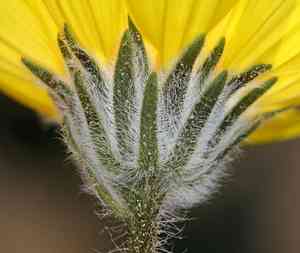
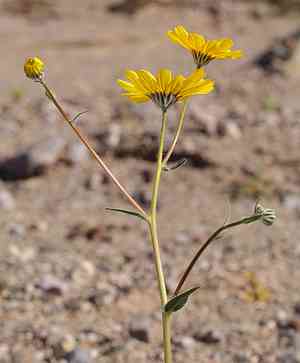
Quickly Identify Desert gold
1
Easily recognizable by its large, bright yellow flowers with a disc diameter of about 5-8 cm and hairy, green foliage. The leaves are alternately arranged and covered with fine hair.
Scientific Classification of Desert gold
Phylum
Vascular plants
Class
Dicotyledons
Order
Asterales
Family
Daisy
Genus
Desert sunflowers
Species
Desert gold
Planting and Growing of Desert gold
Care Difficulty
Easy
Watering Schedule
Every 2 days
Sunlight Requirements
Full sun
Sunshine Duration
4-8 hours
Ideal Temperature
68-86℉
Soil Type
Potting Mix, Peat Mix
Soil pH
6.5-7.5
Fertilizer Type
Balanced
Pruning Season
Spring, Summer
Pruning Area
Branches, Leaves
Pruning Frequency
2 times a year
Repotting Season
Spring
Pot Type
Terracotta, Plastic
 How to Water Desert gold?
Geraea canescens, commonly known as Desert Sunflower, thrives best when watered with approximately 300 ml of water each time. This plant is adapted to arid environments, so it requires careful watering that mimics occasional desert rainfalls. Ensure the soil is completely soaked to replicate these conditions but allow it to dry out completely between waterings.
What are the symptoms of an underwatered Desert gold?
›
What should I do if my Desert gold is not getting enough water?
›
What are the symptoms of an overwatered Desert gold?
›
How to save an overwatered Desert gold?
›
 What Are the Sunlight Requirements for Desert gold?
Geraea canescens thrives best under full sun conditions. Ideal light ensures maximal photosynthesis and energy for flowering, enhancing its visual appeal and health.
More About Sunlight Requirements Techniques→
What is the ideal light condition for Geraea canescens?
›
How to ensure Geraea canescens gets ideal light?
›
Benefits of ideal sun exposure for Geraea canescens?
›
 What Is the Ideal Temperature Range for Desert gold?
The ideal temperature range for growing Geraea canescens is between 68°F and 86°F. In this range, the plant can photosynthesize efficiently and maintain optimal growth. Providing conditions within this range ensures the plant's cellular activities function properly, aligning with its native desert environment.
 What Soil is Best for Desert gold?
Geraea canescens thrives in well-draining soils. Rapid drainage prevents root rot and other moisture-related issues, allowing the plant to absorb essential nutrients effectively and maintain its vibrant growth. While highly adaptable, Geraea canescens benefits from soils enriched with organic matter. This nutrient boost promotes robust flowering and healthy foliage, enhancing its resilience in diverse conditions. For optimum growth, this plant prefers loose, aerated soil that doesn't compact easily. This ensures easy root expansion, providing stability and increased access to nutrients and water.
 How to Fertilize Desert gold?
For Geraea canescens, it's important to use a balanced fertilizer that provides essential nutrients without overwhelming the plant. Typically, dilute liquid fertilizer to a quarter of the recommended strength and apply no more than 50 ml per plant per session. This ensures the plant gets nutrients without causing salt buildup in the soil.
 How to Prune Desert gold?
Start by cutting back any dead or damaged stems to their base. Then, trim back leggy growth to encourage a bushier shape. Make cuts just above a leaf node to stimulate new growth. Always work in sections to maintain the plant's natural form. Prune in the morning or late afternoon when the plant is not under stress from intense sunlight. Avoid pruning on rainy days to minimize the risk of spreading diseases through open cuts.
More About Pruning Techniques→
 How to Propagate Desert gold plant?
1
Select healthy seeds that are free from damage or signs of disease. Rinse and soak them in warm water for 24 hours to encourage quicker germination before planting them into prepared soil.
2
Plant seeds in the tray at a depth twice the diameter of the seed. Ensure they are spaced approximately 5 cm apart to avoid crowding, which can lead to poor development due to competition for resources.
3
Regularly water the seeds ensuring that the soil remains moist but not waterlogged. Place the tray in a warm area with indirect sunlight, maintaining temperatures around 70°F to encourage sprouting.
 How to Repot Desert gold plant?
1
Geraea canescens, known as the desert sunflower, needs repotting when its roots start protruding from the drainage holes or when growth noticeably slows. Early spring or autumn is ideal as the plant is less stressed and can establish its roots better. Keep an eye on soil compaction and nutrient depletion as well.
2
Choose a pot slightly larger than its current size, ensuring that it has ample drainage holes. Terracotta pots are excellent as they allow for better moisture regulation, preventing root rot, which is crucial for desert-adapted plants like this. Get a pot that complements the airy and sprawling nature of Geraea canescens.
3
Opt for a well-draining sandy soil mix, similar to its native desert environment. This mimics the natural conditions, providing good drainage and reducing the risk of root rot. Adding perlite or pumice to a standard potting mix can achieve the ideal soil texture and promote healthy growth.
Learn More About Desert gold Diseases
Anthracnose
Bacterial Leaf Spot
Bacterial Soft Rot
Bacterial Wilt
Black Spot
Chemical Injury
Crown Gall
Cyst Nematode
Damping-off
Downy Mildew
Drought Stress
Fusarium Wilt
Gray Mold
Leaf Spot
Mosaic
Nutrient Deficiency
Nutrient Toxicity
Powdery Mildew
Root Rot
Root-knot Nematode
Rusts
Sooty Mold
Spider Mites
Temperature Stress
Thrips Damage
White Mold



