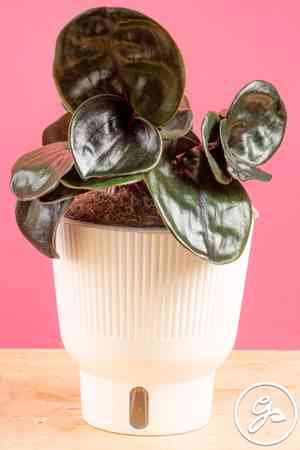
Geo plant (Geogenanthus ciliatus)
Also known as: None known
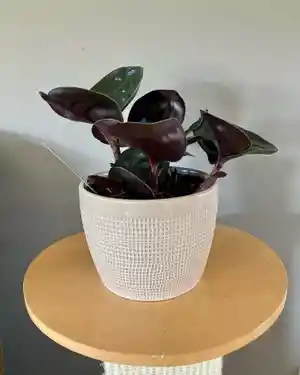
The Geogenanthus ciliatus is a creeping herbaceous plant with a preference for the tropical climate of South America. This plant has a pretty ornamental form emphasized by its bluish-green to purple-black leaves and bright purple mid-veins. Geo plant is low-growing and can be an attractive shrub for cover.
In This Article
Attributes of Geo plant
Lifespan
Perennial
Plant Type
Herb
Plant Height
4 to 6 inches
Spread
0.15 to 0.3 meters (6 to 12 inches)
Leaf Color
Green Purple
Flower Size
Small, less significant
Flower Color
Blue Purple
Images of Geo plant
Quickly Identify Geo plant
1
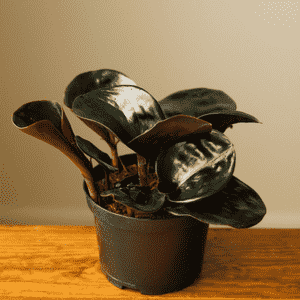
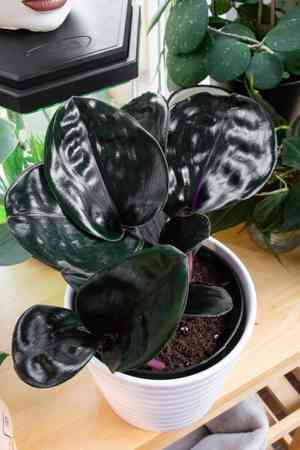
Geogenanthus ciliatus can be identified by its distinctively hairy and dark green leaves which are often tinged with a purple hue. The stems can also display a purplish color. The leaves are elongated and have a glossy texture.
Scientific Classification of Geo plant
Phylum
Vascular plants
Class
Monocotyledons
Order
Commelinales
Family
Spiderwort
Genus
Geogenanthus
Species
Geo plant
Planting and Growing of Geo plant
Care Difficulty
Moderate
Watering Schedule
Every 4 days
Sunlight Requirements
Partial sun
Sunshine Duration
8-12 hours
Ideal Temperature
65-75℉
Soil Type
Potting Mix, Peat Mix
Soil pH
5.5-7
Fertilizer Type
Balanced
Pruning Season
Spring, Summer
Pruning Area
Branches, Leaves
Pruning Frequency
2 times a year
Repotting Season
Spring
Pot Type
Plastic, Ceramic
 How to Water Geo plant?
For Geogenanthus ciliatus, water thoroughly until excess begins to drain from the pot's bottom. This practice ensures the roots receive an adequate supply of moisture without the risk of waterlogging. The soil should remain damp yet well-drained to support healthy growth.
What are the symptoms of an underwatered Geo plant?
›
What should I do if my Geo plant is not getting enough water?
›
What are the symptoms of an overwatered Geo plant?
›
How to save an overwatered Geo plant?
›
 What Are the Sunlight Requirements for Geo plant?
Geogenanthus ciliatus ideally thrives in environments with partial shade to full shade conditions. Ideal lighting enhances its foliage color and supports healthy, robust growth.
What kind of light does Geogenanthus ciliatus prefer?
›
What solutions are there to achieve ideal lighting for Geogenanthus ciliatus?
›
What are the benefits of providing ideal lighting to Geogenanthus ciliatus?
›
 What Is the Ideal Temperature Range for Geo plant?
For optimal growth, Geogenanthus ciliatus thrives in a warm environment with temperatures ranging from 65 to 75°F. This range mimics their natural tropical habitat, ensuring robust health and vibrant foliage. Within this temperature window, metabolic processes occur efficiently, promoting adequate nutrient uptake, photosynthesis, and overall vigor.
 What Soil is Best for Geo plant?
Geogenanthus ciliatus thrives in soil that retains moisture without becoming waterlogged. It requires a balance of water retention and drainage for optimal growth conditions. This ensures the plant remains hydrated while preventing root rot. The plant benefits from soil rich in organic matter, which increases nutrient content and improves overall soil structure. This nutrient-rich environment supports robust growth and vibrant foliage. Ensuring the soil drains well helps prevent water accumulation around the roots. This is crucial for preventing root diseases and maintaining healthy root systems, promoting vigorous plant development.
 How to Fertilize Geo plant?
When fertilizing Geogenanthus ciliatus, it is important to apply a balanced fertilizer solution at a rate of 1/4 teaspoon per gallon of water. Over-fertilizing can lead to salt buildup in the soil, adversely affecting root health. Always ensure proper dilution to avoid any potential leaf burn. This plant is sensitive to high nutrient concentrations, so err on the side of caution when in doubt.
 How to Prune Geo plant?
Geogenanthus ciliatus, known for its lush foliage, benefits from regular pruning. Identify older or discolored leaves, as well as any leggy stems that may be detracting from its overall appearance. Regular pruning can encourage a fuller and more compact plant. Ensure your scissors or pruning shears are clean and sharp to avoid damaging the plant tissue. Begin by cutting any dead or damaged leaves at the base. Cut close to the main stem to minimize leaving behind stubs. To maintain its aesthetic appeal, trim any excessively long stems to create a balanced shape. This allows the plant to grow more uniformly and can enhance its natural beauty. Focus on maintaining a symmetrical appearance and encouraging growth toward the center.
More About Pruning Techniques→
 How to Propagate Geo plant plant?
1
Choose a healthy and vigorous parent plant of Geogenanthus ciliatus with no signs of disease or pests. This ensures strong and healthy offspring.
2
For cuttings, snip off a healthy stem with several leaves. For divisions, separate a section of the plant with roots attached. Handle all plant parts gently to avoid damage.
3
Plant the cuttings or divisions into a well-draining soil mix. Water lightly and place in a warm, well-lit location, away from direct sunlight, to promote rooting.
 How to Repot Geo plant plant?
1
Geogenanthus ciliatus shows signs of needing repotting when the roots start emerging from the drainage holes, indicating it's becoming root-bound. Also, if you observe that the growth has significantly slowed down despite optimal conditions, it's time for a larger space. Spring or Summer is ideal when it's in active growth.
2
Choose a pot that’s only slightly larger than the current one, preferably 1-2 inches wider in diameter. This helps prevent overwatering risks associated with too much soil. Drainage holes are a must to ensure water doesn't accumulate at the bottom, which could lead to root rot.
3
Opt for a well-draining potting mix to give the roots proper aeration and moisture balance. A mix including peat, perlite, and pine bark is excellent. This combination ensures that the roots are neither oversaturated nor left too dry.
Toxicity
Ingestion
WARNING
The judgment on toxicity and danger is for reference only. We DO NOT GUARANTEE any accuracy of such judgment. Therefore, you SHALL NOT rely on such judgment. It is IMPORTANT TO SEEK PROFESSIONAL ADVICE in advance when necessary.



