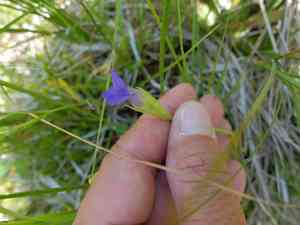
Oneflower fringed gentian (Gentianopsis simplex)
Also known as: Simple Gentian, Prairie Gentian
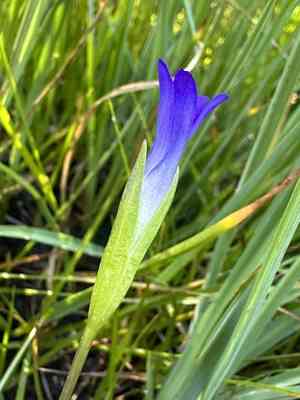
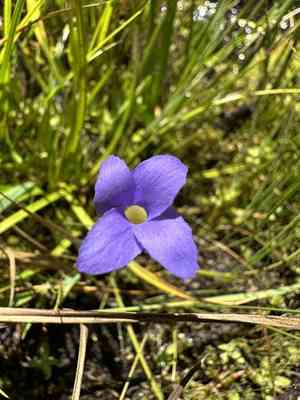
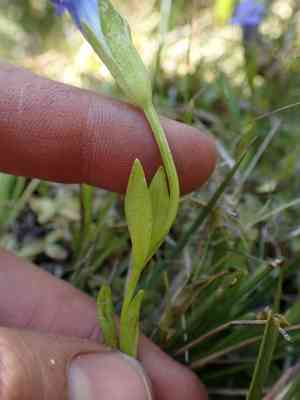
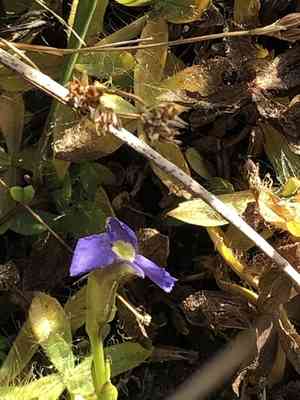
The oneflower fringed gentian (Gentianopsis simplex) stands out with its vivid blue to purple, fringed flowers and thin, graceful stems. It features narrow, grass-like leaves and a single, delicate bloom. This plant typically inhabits wet, open areas such as meadows and stream banks in alpine and subalpine regions. It is well-suited to cool, temperate climates with abundant sunlight, often growing in compact formations due to the limited resources in high-altitude environments.
In This Article
Attributes of Oneflower fringed gentian
Lifespan
Biennial
Plant Type
Herb
Plant Height
10 cm to 20 cm
Spread
N/A
Leaf Color
Green
Flower Size
2-4 cm
Flower Color
Blue, Purple
Images of Oneflower fringed gentian
Quickly Identify Oneflower fringed gentian
1
Gentianopsis simplex is identifiable by its slender, erect stems and lance-shaped leaves. The flowers are typically deep blue or purple and have a distinctive fringed edge. It usually grows in moist, alkaline soils in prairie and meadow environments.
Scientific Classification of Oneflower fringed gentian
Phylum
Vascular plants
Class
Dicotyledons
Order
Gentianales
Family
Gentian
Genus
Fringed gentians
Species
Oneflower fringed gentian
Planting and Growing of Oneflower fringed gentian
Care Difficulty
Moderate
Watering Schedule
Every 2 days
Sunlight Requirements
Full sun
Sunshine Duration
4-8 hours
Ideal Temperature
50-70℉
Soil Type
Potting Mix, Peat Mix
Soil pH
6.5-7.5
Fertilizer Type
Balanced
Pruning Season
Spring, Summer
Pruning Area
Branches, Leaves
Pruning Frequency
2 times a year
Repotting Season
Spring
Pot Type
Plastic, Ceramic
 How to Water Oneflower fringed gentian?
For Gentianopsis simplex, aim to thoroughly moisten the soil without soaking it. Approximately 200 ml per session should suffice, ensuring that the soil feels evenly moist but not waterlogged. This plant prefers well-draining soil, so avoid excessive watering.
What are the symptoms of an underwatered Oneflower fringed gentian?
›
What should I do if my Oneflower fringed gentian is not getting enough water?
›
What are the symptoms of an overwatered Oneflower fringed gentian?
›
How to save an overwatered Oneflower fringed gentian?
›
 What Are the Sunlight Requirements for Oneflower fringed gentian?
Gentianopsis simplex enjoys full to partial sun conditions, deriving significant benefits from such exposure. Ideal light fosters robust growth, ensures abundant flowering, and strengthens disease resistance for a healthier plant.
What is the best lighting condition for Gentianopsis simplex?
›
How can you provide ideal lighting for Gentianopsis simplex?
›
What are the benefits of ideal lighting for Gentianopsis simplex?
›
 What Is the Ideal Temperature Range for Oneflower fringed gentian?
The ideal temperature range for cultivating Gentianopsis simplex is between 50°F and 70°F. This range provides the optimal conditions for growth, allowing the plant to photosynthesize efficiently without stressing its physiological processes. Maintaining this temperature range encourages healthy growth and vibrant flowering.
 What Soil is Best for Oneflower fringed gentian?
Gentianopsis simplex thrives in well-drained soil, ensuring that its roots do not become waterlogged. This type of soil aids in preventing root rot and provides an optimal environment for nutrient absorption, promoting healthier growth. This plant prefers soil with moderate moisture retention. Balance is key here—enough moisture to maintain growth without drowning the roots. Adequate moisture also supports the flowering process, making the blooms vibrant and striking. A soil rich in organic matter is ideal for Gentianopsis simplex, supplying essential nutrients that encourage robust growth and resistance to pests. Compost or natural fertilizers can boost the soil's nutrient profile, enhancing plant vitality.
 How to Fertilize Oneflower fringed gentian?
For Gentianopsis simplex, apply liquid fertilizer at a concentration of 0.5% to avoid root burn. A moderate amount is sufficient, as over-fertilization can damage this delicate plant. When using slow-release fertilizers, apply about 5 grams per plant, ensuring an even distribution around the base.
 How to Prune Oneflower fringed gentian?
Start by cutting away any dead or discolored stems and leaves at the base. This encourages the plant to put energy into producing new growth. Trim back any overly long or wayward stems to create a balanced shape. This not only improves appearance but also ensures sunlight reaches all parts of the plant. Remove some of the inner growth if the plant is too dense. Better air circulation helps prevent fungal diseases and pest infestations.
More About Pruning Techniques→
 How to Propagate Oneflower fringed gentian plant?
1
Fill seed trays with a well-draining soil mix, ensuring that it is evenly moistened. Create shallow indentations for seed placement, as this will optimize their exposure to moisture and light.
2
Scatter the Gentianopsis simplex seeds lightly over the prepared seed trays. Cover with a thin layer of soil, not exceeding 1/8 inch, to ensure they receive sufficient light necessary for germination.
3
Place the seed trays on a heat mat set to about 70°F for consistent warmth. Monitor moisture levels, ensuring the soil remains lightly damp but not waterlogged, and place in a spot with indirect sunlight.
 How to Repot Oneflower fringed gentian plant?
1
Repot Gentianopsis simplex when you notice roots emerging from the drainage holes, or when growth becomes stunted. These signs indicate that the plant has outgrown its current pot and needs more space to thrive.
2
Opt for a pot that is 1-2 inches larger in diameter than the current one. Terracotta pots are ideal as they allow excess moisture to evaporate, preventing root rot. Make sure the pot has ample drainage holes to ensure efficient water drainage.
3
Select a well-draining soil mix, ideally a sandy loam, which allows for proper aeration while retaining some moisture. This type of soil helps to mimic the natural habitat of Gentianopsis simplex and promotes healthy root development.
Toxicity
None
WARNING
The judgment on toxicity and danger is for reference only. We DO NOT GUARANTEE any accuracy of such judgment. Therefore, you SHALL NOT rely on such judgment. It is IMPORTANT TO SEEK PROFESSIONAL ADVICE in advance when necessary.
Learn More About Oneflower fringed gentian Diseases
Anthracnose
Bacterial Leaf Spot
Bacterial Soft Rot
Bacterial Wilt
Chemical Injury
Cyst Nematode
Damping-off
Downy Mildew
Drought Stress
Fusarium Wilt
Gray Mold
Leaf Spot
Mosaic
Nutrient Deficiency
Nutrient Toxicity
Powdery Mildew
Root Rot
Root-knot Nematode
Rusts
Sooty Mold
Spider Mites
Temperature Stress
Thrips Damage
White Mold


