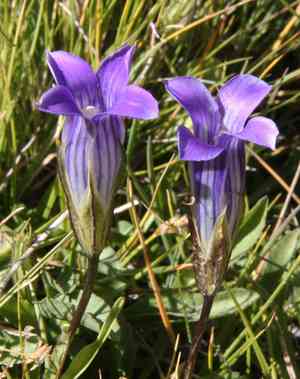
Sierra fringed gentian (Gentianopsis holopetala)
Also known as: Holopetalous fringed gentian
The Sierra fringed gentian is well-known for its stunning blue or violet trumpet-shaped flowers that open symmetrically, creating a star-like pattern. These delicate, thin petals reflect the fragility of its alpine environment. Amidst the green high-altitude meadows, these vibrant blooms stand out, demonstrating the plant's ability to thrive in challenging mountainous conditions.
In This Article
Attributes of Sierra fringed gentian
Lifespan
Biennial
Plant Height
20-50 cm
Spread
N/A
Leaf Color
Green
Flower Size
2-4 cm
Flower Color
Blue-violet
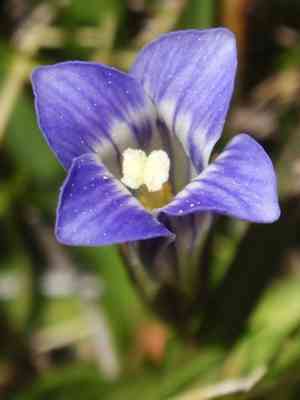
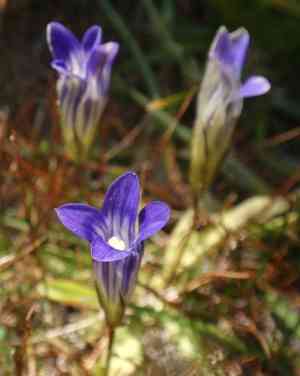
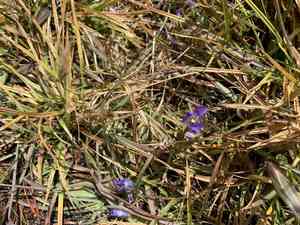
Images of Sierra fringed gentian
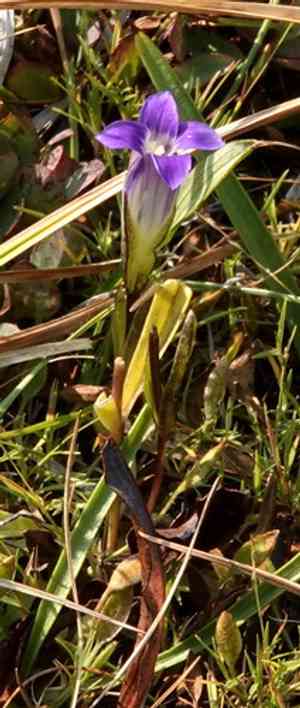
Quickly Identify Sierra fringed gentian
1
Identify Gentianopsis holopetala by its blue-violet fringed petals and its preference for moist, mountainous habitats. The plant typically flowers in late summer to early fall.
Scientific Classification of Sierra fringed gentian
Phylum
Tracheophyta
Class
Magnoliopsida
Order
Gentianales
Family
Gentianaceae
Genus
Gentianopsis
Planting and Growing of Sierra fringed gentian
Care Difficulty
Hard
Watering Schedule
Every 4 days
Sunlight Requirements
Partial sun
Sunshine Duration
6-10 hours
Ideal Temperature
60-70℉
Soil Type
Potting Mix, Peat Mix
Soil pH
6.5-7.5
Fertilizer Type
Balanced
Pruning Season
Spring, Summer
Pruning Area
Branches, Leaves
Pruning Frequency
2 times a year
Repotting Season
Spring
Pot Type
Plastic, Ceramic
 How to Water Sierra fringed gentian?
When watering Gentianopsis holopetala, aim to provide around 250 ml each time, ensuring the soil is thoroughly moistened but not swampy. Water deeply enough to reach the roots but avoid soaking so much that water stands in the saucer or the pot's tray.
What are the symptoms of an underwatered Sierra fringed gentian?
›
What should I do if my Sierra fringed gentian is not getting enough water?
›
What are the symptoms of an overwatered Sierra fringed gentian?
›
How to save an overwatered Sierra fringed gentian?
›
 What Are the Sunlight Requirements for Sierra fringed gentian?
A mix of full sun and partial sun exposure is ideal for Gentianopsis holopetala. The right balance of light encourages striking blooms and maintains lush leaf color, enhancing its aesthetic appeal.
What type of sunlight does Gentianopsis holopetala prefer?
›
How can you ensure Gentianopsis holopetala gets optimal light?
›
What benefits does ideal lighting provide to Gentianopsis holopetala?
›
 What Is the Ideal Temperature Range for Sierra fringed gentian?
The ideal temperature range for Gentianopsis holopetala is between 60°F and 70°F. This range facilitates optimal growth and ensures the plant's delicate flowers can thrive. Maintaining this temperature helps prevent stress and supports healthy metabolic processes.
 What Soil is Best for Sierra fringed gentian?
Gentianopsis holopetala thrives best in well-draining soil that prevents waterlogging. This kind of soil provides essential aeration to roots, promoting healthy plant growth and preventing root rot. A nutrient-rich soil with adequate organic matter is essential for Gentianopsis holopetala. This type of soil offers the necessary nutrients for robust growth, lush foliage, and vibrant blooms. While drainage is important, the soil should also retain enough moisture to support the plant during dry periods. Balanced moisture helps in maintaining the plant's metabolic processes and overall vigor.
 How to Fertilize Sierra fringed gentian?
For Gentianopsis holopetala, use a diluted liquid fertilizer at half strength to avoid overloading the plant with nutrients. This ensures that nutrient absorption is gradual and consistent. When using slow-release granules, sprinkle them at a rate of about 0.5 ounces per square foot over the soil surface, and water thoroughly to activate.
 How to Prune Sierra fringed gentian?
Gently trim the stem tips to encourage the plant to branch out and achieve a fuller shape. This involves cutting just above a node where future growth will occur, helping the plant maintain its naturally dense form. Deadhead any spent flowers by cutting them back to the nearest set of healthy leaves. This redirection of energy from seed production into further flowering ensures a prolonged blooming period.
More About Pruning Techniques→
 How to Propagate Sierra fringed gentian plant?
1
Fill a seed tray with a sterile seed-starting mix. Lightly moisten the mix to prepare it for planting. Ensure that the tray has good drainage to prevent waterlogging, which can cause the seeds to rot.
2
Scatter the Gentianopsis holopetala seeds on the surface of the seed-starting mix. Press them gently into the surface without covering them completely, as these seeds require light for germination.
3
Place a humidity dome over the seed tray. Position the tray in a well-lit area with indirect sunlight. Keep the soil consistently moist but not waterlogged, as excessive water can hinder seed development.
 How to Repot Sierra fringed gentian plant?
1
Gentianopsis holopetala shows it needs repotting if you notice its growth has stalled, roots emerging from drainage holes, or soil compacted like an old crust. Spring and early summer are ideal times when the plant is naturally poised to grow. This timing helps minimize stress and supports robust recovery. Avoid repotting in late autumn or winter when the growth slows down.
2
Select a pot that is one size larger than the current one with ample drainage holes to avoid waterlogging. The material of the pot—whether clay, plastic, or ceramic—must accommodate the plant's need for aeration, since it prevents root rot. Additionally, a slightly heavier pot aids stability, especially when the plant grows taller.
3
Choose a well-draining sandy soil that mimics the plant's natural habitat, ensuring necessary aeration. Such soil avoids water retention, preventing root rot. Add some perlite or small gravel to enhance drainage, and include organic matter to supply the nutrients it demands for healthy growth.


