
Wiregrass gentian (Gentiana pennelliana)
Also known as: Pennell's Gentian
The wiregrass gentian is a striking wildflower known for its vivid blue, trumpet-shaped flowers that bloom from clusters of narrow leaves. This perennial thrives in sunny, open areas such as pine flatwoods and wet prairies. It prefers well-drained, acidic soils that remain periodically moist. Regular fires in these habitats help maintain the open conditions necessary for its growth and blooming. The plant's eye-catching flowers attract various pollinators, which are essential for its reproduction.
In This Article
Attributes of Wiregrass gentian
Lifespan
Perennial
Plant Type
Herb
Plant Height
0.3 to 0.6 meters (1-2 feet)
Spread
0.2 to 0.3 meters (0.6-1 feet)
Leaf Color
Green
Flower Size
4 to 5 centimeters (1.5-2 inches)
Flower Color
Blue
Images of Wiregrass gentian
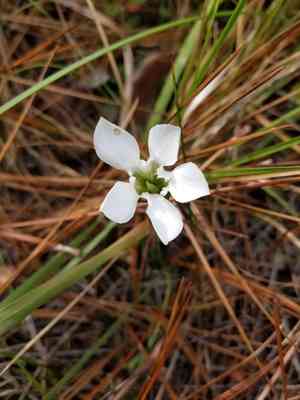
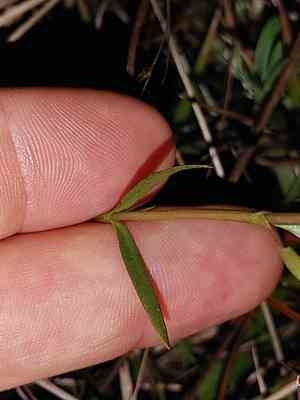
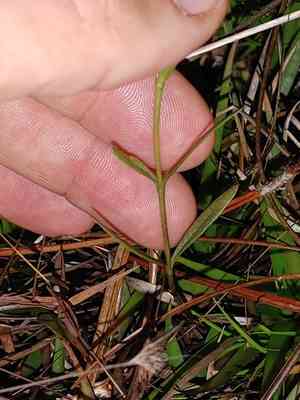
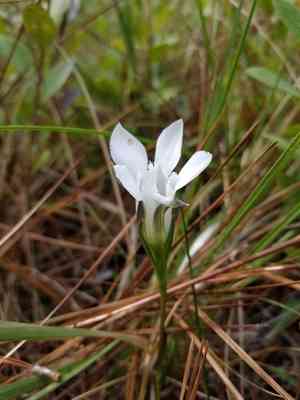
Quickly Identify Wiregrass gentian
1
Gentiana pennelliana can be identified by its vibrant blue, trumpet-shaped flowers and its oppositely arranged lanceolate leaves. The plant often grows in moist, well-drained soils and can be found blooming in late summer to early fall.
Scientific Classification of Wiregrass gentian
Phylum
Vascular plants
Class
Dicotyledons
Order
Gentianales
Family
Gentian
Genus
Gentian
Species
Wiregrass gentian
Planting and Growing of Wiregrass gentian
Care Difficulty
Hard
Watering Schedule
Every 3 days
Sunlight Requirements
Partial sun
Sunshine Duration
6-10 hours
Ideal Temperature
60-75℉
Soil Type
Potting Mix, Peat Mix
Soil pH
6.5-7.5
Fertilizer Type
Balanced
Pruning Season
Spring, Summer
Pruning Area
Branches, Leaves
Pruning Frequency
2 times a year
Repotting Season
Spring
Pot Type
Plastic, Ceramic
 How to Water Wiregrass gentian?
For Gentiana pennelliana, it's essential to make sure the soil is moist but never waterlogged. Ideally, you should aim to add around 200ml of water per session. This helps ensure that the roots receive enough moisture without drowning, promoting healthy growth.
What are the symptoms of an underwatered Wiregrass gentian?
›
What should I do if my Wiregrass gentian is not getting enough water?
›
What are the symptoms of an overwatered Wiregrass gentian?
›
How to save an overwatered Wiregrass gentian?
›
 What Are the Sunlight Requirements for Wiregrass gentian?
Gentiana pennelliana thrives in partial sun settings. Adequate sunlight ensures robust growth and vibrant flowering while minimizing stress and maximizing photosynthetic activity.
What is the ideal light exposure for Gentiana pennelliana?
›
How can I ensure my plant gets the ideal light conditions?
›
What benefits does ideal light exposure provide to this plant?
›
 What Is the Ideal Temperature Range for Wiregrass gentian?
Gentiana pennelliana thrives best in temperatures ranging from 60°F to 75°F. This range ensures optimal photosynthesis, growth, and flowering conditions by mimicking the plant's native habitat.
 What Soil is Best for Wiregrass gentian?
Gentiana pennelliana thrives in well-drained soils that prevent water from lingering around the roots. This is essential for avoiding root rot, which can severely affect the plant's health. The airy structure of such soil types allows for adequate oxygenation, essential for root respiration and nutrient uptake. This species prefers a soil pH ranging from 6.5 to 7.5, which allows for optimal nutrient availability and uptake. Maintaining the right pH ensures that Gentiana pennelliana can access essential minerals like iron and magnesium, crucial for its vivid blooms and robust growth. A nutrient-rich soil supports the plant's growth needs, providing essential elements like nitrogen, phosphorus, and potassium. These nutrients contribute to healthy foliar development, strong root systems, and beautiful flowering, ensuring Gentiana pennelliana remains vibrant and healthy throughout its growing season.
 How to Fertilize Wiregrass gentian?
Gentiana pennelliana typically requires a moderate amount of fertilizer. Use a balanced 10-10-10 NPK liquid fertilizer, diluted to half of the recommended concentration listed on the packaging. For slow-release varieties, opt for a product that will gradually provide nutrients over three-month periods.
 How to Prune Wiregrass gentian?
Begin by identifying dead or faded flowers. Removing these will channel the plant's energy towards new growth and development, strengthening the overall structure. When cutting stems, always make your cuts at a 45-degree angle. This promotes better water runoff, reduces disease risk, and supports effective healing of the plant tissue.
More About Pruning Techniques→
 How to Propagate Wiregrass gentian plant?
1
First, ensure the seeds are clean and free from any debris. Soak the seeds in lukewarm water overnight to assist in breaking dormancy, enhancing their germination capacity.
2
Select healthy, non-flowering stems. Cut 5-10 cm segments just below a node. Remove lower leaves to promote root growth and dip the cut end in rooting hormone powder to enhance rooting success.
3
Carefully dig up the mature plant ensuring minimal root disruption. Use a sharp knife to divide the root clumps, making sure each division has healthy roots and stems for better establishment.
 How to Repot Wiregrass gentian plant?
1
Gentiana pennelliana shows it needs repotting when roots peek out of the drainage holes or when growth appears stunted. Ideally, repotting is best done in spring or autumn to minimize stress. Look for a time when the plant is not actively flowering to promote healthy root establishment.
2
Select a pot that is one size larger than the current one, ensuring it has drainage holes. A ceramic or clay pot helps keep soil moisture balanced. The right pot size prevents excess soil that can retain unnecessary moisture and potentially harm the roots.
3
An ideal soil mix for Gentiana pennelliana is gritty and slightly acidic, mimicking its natural habitat. Use a combination of peat, perlite, and sand to enhance drainage. This soil mix prevents root rot and ensures the plant's nutritional needs are met without becoming waterlogged.
Learn More About Wiregrass gentian Diseases
Anthracnose
Bacterial Leaf Spot
Bacterial Soft Rot
Bacterial Wilt
Black Spot
Chemical Injury
Crown Gall
Cyst Nematode
Damping-off
Downy Mildew
Drought Stress
Fusarium Wilt
Gray Mold
Leaf Spot
Mosaic
Nutrient Deficiency
Nutrient Toxicity
Powdery Mildew
Root Rot
Root-knot Nematode
Rusts
Sooty Mold
Spider Mites
Temperature Stress
Thrips Damage
White Mold



