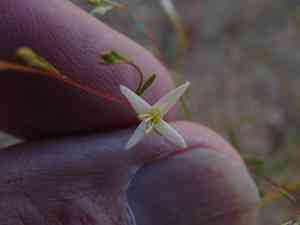
Spreading groundsmoke (Gayophytum diffusum)
Also known as: Diffuse groundsmoke
Spreading groundsmoke (Gayophytum diffusum) is a slender, annual herb characterized by its thin stems and small, oval leaves. This plant blooms from late spring through summer, displaying tiny white to pinkish flowers. It favors open, sandy environments, thriving in well-drained soils and areas with plenty of sunlight. Its subtle appearance often contrasts with the more prominent vegetation around it.
In This Article
Attributes of Spreading groundsmoke
Lifespan
Perennial
Plant Type
Herb
Plant Height
10 cm to 51 cm
Spread
Not a tree, no crown diameter
Leaf Color
Green
Flower Size
Approximately 1-3 mm
Flower Color
White
Images of Spreading groundsmoke

Quickly Identify Spreading groundsmoke
1
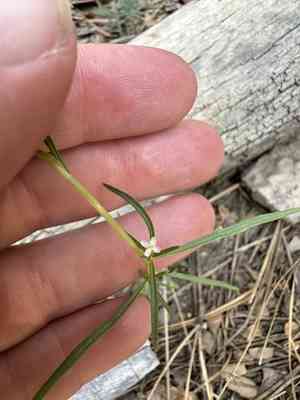
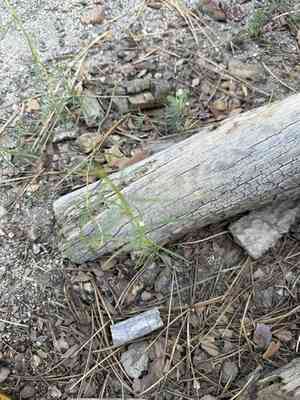
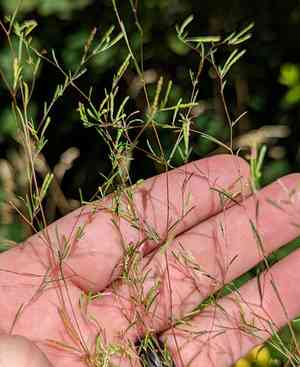
This plant can be identified by its slender, branching stems that can form a diffuse mat. It has small, linear leaves that are alternately arranged. The flowers are tiny, usually white, and very inconspicuous.
Scientific Classification of Spreading groundsmoke
Phylum
Vascular plants
Class
Dicotyledons
Order
Myrtales
Family
Evening primrose
Genus
Groundsmoke
Species
Spreading groundsmoke
Planting and Growing of Spreading groundsmoke
Care Difficulty
Moderate
Watering Schedule
Every 3 days
Sunlight Requirements
Full sun
Sunshine Duration
6-10 hours
Ideal Temperature
60-75℉
Soil Type
Potting Mix, Peat Mix
Soil pH
6.5-7.5
Fertilizer Type
Balanced
Pruning Season
Spring, Summer
Pruning Area
Branches, Leaves
Pruning Frequency
Once a year
Repotting Season
Spring
Pot Type
Plastic, Ceramic
 How to Water Spreading groundsmoke?
For Gayophytum diffusum, the watering process should adhere to the principle of moistening the soil without leaving it soggy. This means that each watering session should supply around 200 milliliters, enough to reach the roots without causing waterlogging.
What are the symptoms of an underwatered Spreading groundsmoke?
›
What should I do if my Spreading groundsmoke is not getting enough water?
›
What are the symptoms of an overwatered Spreading groundsmoke?
›
How to save an overwatered Spreading groundsmoke?
›
 What Are the Sunlight Requirements for Spreading groundsmoke?
Gayophytum diffusum flourishes in environments with full to partial sun exposure. Ideal light conditions encourage vibrant growth and an abundance of flowers, contributing to the plant's overall aesthetic appeal and health.
How much sun does Gayophytum diffusum need?
›
How to ensure ideal sun exposure for Gayophytum diffusum?
›
What are the benefits of ideal sunlight for Gayophytum diffusum?
›
 What Is the Ideal Temperature Range for Spreading groundsmoke?
For optimal growth of Gayophytum diffusum, the ideal temperature range is between 60°F and 75°F. This range provides a stable environment for the plant to thrive, promoting healthy photosynthesis and energy conversion processes. Maintain these temperatures by situating the plant in a controlled indoor environment or choosing appropriate seasonal timing for outdoor growth.
 What Soil is Best for Spreading groundsmoke?
Gayophytum diffusum thrives in well-drained soil. Proper drainage prevents root rot and ensures the plant receives the right amount of moisture, promoting healthy plant growth. The plant prefers soils with adequate organic matter to supply essential nutrients. This helps in robust flowering and foliage development, as nutrient-rich soil supports overall plant vitality. A pH range of 6.5 to 7.5 is optimal for Gayophytum diffusum. This range facilitates nutrient uptake and supports metabolic processes, ensuring the plant's health and vigor.
 How to Fertilize Spreading groundsmoke?
Gayophytum diffusum benefits from a balanced nutrient uptake, requiring a lightweight application. Apply liquid fertilizer at half the recommended dose recorded on the packaging, ensuring not to overconcentrate the nutrients. A little goes a long way for this plant species, ensuring optimal health without overstressing its roots.
 How to Prune Spreading groundsmoke?
Start by locating any branches that are dead or diseased. These can be identified by their lack of leaves or discoloration. Remove them completely to the base. Focus on trimming branches that disrupt the natural shape of the plant or significantly increase its height or width beyond your desired dimensions. Prune branches that are densely packed or crossing to increase air circulation within the plant, which reduces the risk of fungal infections.
More About Pruning Techniques→
 How to Propagate Spreading groundsmoke plant?
1
Collect seeds from mature Gayophytum diffusum plants after flowering. Clean them to remove any debris and prepare for planting. This preparation helps to ensure that seeds are healthy and capable of germination.
2
Sow the seeds evenly in the seed tray filled with moistened sterilized soil mix. Cover with a thin layer of soil and gently press down. This step ensures good seed-to-soil contact, necessary for germination.
3
Water the seeds lightly, ensuring that the soil remains consistently moist but not waterlogged. Place the tray in a location with ample sunlight and maintain a warm temperature to promote sprouting.
 How to Repot Spreading groundsmoke plant?
1
Gayophytum diffusum typically needs repotting when you notice roots crowding the container or protruding from drainage holes. This indicates restricted growth due to overpopulation or insufficient soil nutrients. Additionally, if water is not soaking well into the soil, it's time for a fresh start. Repotting is ideally done in spring or summer when the plant is actively growing, ensuring it recovers quickly and thrives.
2
Selecting the appropriate pot is crucial for Gayophytum diffusum. Opt for a pot that is 1-2 sizes larger than the current one, ensuring ample space for root expansion. The pot should have drainage holes to prevent waterlogging, which could lead to root rot. Using a pot that is too large can lead to excessive moisture retention, so balance is key. This careful choice promotes healthy root growth and supports the plant's overall vigor.
3
For optimal growth, Gayophytum diffusum thrives in a well-draining sandy soil mix. The soil should mimic its natural habitat, providing ample drainage yet retaining necessary moisture. This mix allows excess water to drain, thereby preventing root rot and fungal diseases, while still providing the roots with essential nutrients. Such a soil composition supports robust root health and facilitates the plant's overall flourishing.


