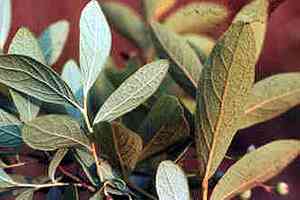
Dangleberry (Gaylussacia frondosa)
Also known as: Tangleberry
Dangleberry, scientifically known as *Gaylussacia frondosa*, is native to the eastern United States. It thrives in a variety of environments, including sandy or rocky soils, swamps, and woodlands. This plant primarily spreads through underground rhizomes, enabling vegetative growth. In the spring, it produces bell-shaped flowers that later develop into dark blue or black berries.
In This Article
Attributes of Dangleberry
Lifespan
Perennial
Plant Type
Shrub
Plant Height
91 cm to 1.2 m
Spread
90 cm to 1.2 m
Leaf Color
Green
Flower Size
0.2-0.3 inches (0.5-0.8 cm)
Flower Color
White Yellow Pink Green
Images of Dangleberry
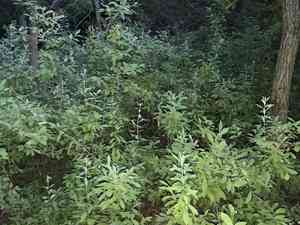
Quickly Identify Dangleberry
1
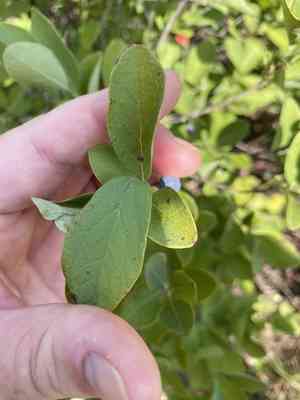
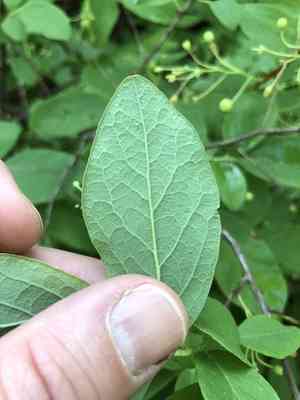
Foliage of broad leaves creates a lush appearance during the growing season.
2
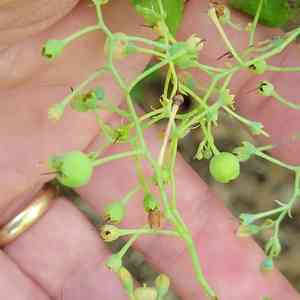
Distinct oval-shaped fruit transitions from vibrant green to rich blue-black for ripeness.
3
Small, bell-shaped flowers cluster in axils of older stems, ranging from white to pink.
4
Leaves are green with yellow resin dots, 1-3 inches long and 1/2 to 1.5 inches wide.
5
Compact branching pattern with brown, green, or red twigs and hairs, showcasing oval buds.
Scientific Classification of Dangleberry
Phylum
Vascular plants
Class
Dicotyledons
Order
Ericales
Family
Heath
Genus
Huckleberry
Species
Dangleberry
Planting and Growing of Dangleberry
Care Difficulty
Easy
Watering Schedule
Every 2 days
Sunlight Requirements
Partial sun
Sunshine Duration
4-6 hours
Ideal Temperature
65-75℉
Soil Type
Potting Mix, Peat Mix
Soil pH
3.5-5.5
Fertilizer Type
Balanced
Pruning Season
Spring, Summer
Pruning Area
Branches, Leaves
Pruning Frequency
2 times a year
Repotting Season
Spring
Pot Type
Plastic, Ceramic
 How to Water Dangleberry?
Gaylussacia frondosa prefers consistent moisture without becoming waterlogged. When watering, ensure the soil is evenly moist but not soggy, soaking the soil with about 500 ml of water per session.
What are the symptoms of an underwatered Dangleberry?
›
What should I do if my Dangleberry is not getting enough water?
›
What are the symptoms of an overwatered Dangleberry?
›
How to save an overwatered Dangleberry?
›
 What Are the Sunlight Requirements for Dangleberry?
Ideally, Gaylussacia frondosa should receive 4 to 6 hours of sunlight daily. This balance ensures the plant maintains healthy foliage and optimal fruit production, leveraging both the protective qualities of shade and growth benefits of sunlight.
More About Sunlight Requirements Techniques→
Understanding Light Preference
›
Solutions for Ideal Sunlight
›
Benefits of Proper Lighting
›
 What Is the Ideal Temperature Range for Dangleberry?
The ideal temperature range for the growth of Gaylussacia frondosa, commonly known as the dangleberry, is between 65°F and 75°F. This range provides optimal conditions for metabolic processes, ensuring healthy growth and functional development of photosynthetic activities.
 What Soil is Best for Dangleberry?
Gaylussacia frondosa thrives in well-drained soils, as it helps prevent root rot and ensures adequate air exchange around the roots. This promotes healthy growth and vibrant foliage. An optimal soil for Gaylussacia frondosa should retain enough moisture without becoming waterlogged. This ensures that the plant remains hydrated without risking fungal diseases. Rich in organic matter, the soil should provide essential nutrients to support the plant's development. It aids in robust foliage and fruit production, particularly for wildlife sustenance.
 How to Fertilize Dangleberry?
For Gaylussacia frondosa, applying fertilizer judiciously is crucial to avoid damage. Apply liquid fertilizer at half the recommended strength to prevent over-fertilization. When using slow-release fertilizers, use approximately one tablespoon per plant, spread evenly over the root zone, to provide a steady nutrient supply without overwhelming the plant.
 How to Prune Dangleberry?
Using sharp pruning shears or loppers is essential for clean cuts, minimizing damage. Disinfect tools before use to prevent spreading diseases. Look for dead, damaged, or crossing branches. These should be removed first to prevent disease spread and encourage optimal sunlight penetration and air circulation. Make cuts at a 45-degree angle above a bud that faces outward. This ensures water doesn't collect on the cut, reducing the chance of rot, and directs growth outward.
More About Pruning Techniques→
 How to Propagate Dangleberry plant?
1
Collect seeds from mature berries when they're fully ripe. Clean them to remove any pulp and dry them thoroughly before sowing to improve germination rates.
2
Select healthy stems free from disease. Cut about 4-6 inches from the tip, including several leaf nodes. Remove lower leaves to expose nodes where roots will emerge.
3
For seeds, sow them evenly in prepared trays. For cuttings, insert them into a suitable rooting medium like a mix of perlite and peat moss, ensuring nodes are covered.
 How to Repot Dangleberry plant?
1
Repot Gaylussacia frondosa when you notice its roots crowding the pot's edges or emerging from drainage holes. Another good indicator is when the plant's growth seems stunted, or if you find the soil dries out much too rapidly after watering. Ideally, look to repot during periods of active growth to minimize stress on the plant.
2
Select a pot that is only slightly larger than the current one, offering about an inch more width. A pot that’s too big may lead to overwatering issues, as the soil will retain moisture for longer periods. Additionally, ensure the pot has ample drainage holes to prevent waterlogging, which can harm the plant's roots.
3
Choose a soil mix that is slightly acidic and drains well, composed of peat, pine bark, and sand or perlite. This mix accommodates the plant's natural habitat preferences, which keeps the roots healthy and encourages proper nutrient uptake, promoting vibrant growth.



