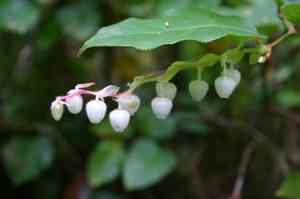
Snowberries (Gaultheria) (Gaultheria)
Also known as: Checkerberry, Boxberry, American Wintergreen, Partridgeberry, Teaberry
Gaultheria is a genus of evergreen shrubs belonging to the heather family, recognized for their thick, leathery leaves. The well-known "wintergreen" flavor is typically derived from these plants, especially G. procumbens. Many species in this genus are also favored as ornamental plants in temperate regions because of their attractive flowers and persistent foliage. The genus is named in honor of Jean-François Gaultier, an influential Canadian naturalist and botanist from the eighteenth century.
In This Article
Attributes of Snowberries (Gaultheria)
Lifespan
Perennial
Plant Height
1.5 m
Spread
1 m
Leaf Color
Dark green, often turning reddish in winter
Flower Size
0.5 to 1 cm (0.2 to 0.4 inches)
Flower Color
White to pink
Images of Snowberries (Gaultheria)
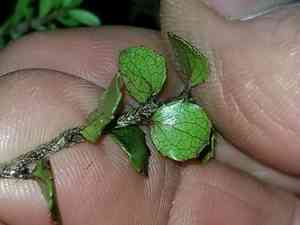
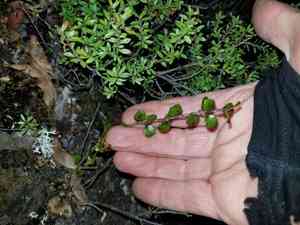
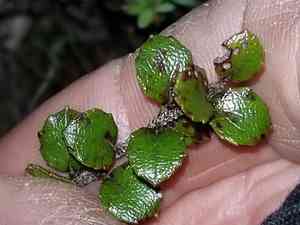
Quickly Identify Snowberries (Gaultheria)
1
To identify Gaultheria, look for small evergreen shrubs with leathery, aromatic leaves. The leaves are typically shiny and contain essential oils. The plants produce small white to pink bell-shaped flowers and are followed by colorful berries, which can be red, blue, or black depending on the species.
Scientific Classification of Snowberries (Gaultheria)
Phylum
Magnoliophyta
Class
Magnoliopsida
Order
Ericales
Family
Ericaceae
Genus
Gaultheria
Planting and Growing of Snowberries (Gaultheria)
Care Difficulty
Moderate
Watering Schedule
Every 2 days
Sunlight Requirements
Partial sun
Sunshine Duration
6-10 hours
Ideal Temperature
55-75℉
Soil Type
Potting Mix, Peat Mix
Soil pH
4.5-6
Fertilizer Type
Balanced
Pruning Season
Spring, Summer
Pruning Area
Leaves, Branches
Pruning Frequency
2 times a year
Repotting Season
Spring
Pot Type
Plastic, Terracotta
 How to Water Snowberries (Gaultheria)?
For Gaultheria, water the plant thoroughly but ensure it is not water-logged. A general guideline is about 500 milliliters per session, making sure the soil is uniformly moist without being soggy. The plant thrives best when its roots have consistent moisture without excess saturation.
What are the symptoms of an underwatered Snowberries (Gaultheria)?
›
What should I do if my Snowberries (Gaultheria) is not getting enough water?
›
What are the symptoms of an overwatered Snowberries (Gaultheria)?
›
How to save an overwatered Snowberries (Gaultheria)?
›
 What Are the Sunlight Requirements for Snowberries (Gaultheria)?
Gaultheria prefers partial sun to full shade. This light range encourages robust growth and helps maintain its lush, vibrant appearance.
What are the ideal lighting conditions for Gaultheria?
›
How can I create the perfect lighting environment for Gaultheria?
›
What benefits does proper lighting provide for Gaultheria?
›
 What Is the Ideal Temperature Range for Snowberries (Gaultheria)?
Gaultheria plants, commonly known as wintergreen, thrive best within a temperature range of 55°F to 75°F. This range enables optimal growth and promotes vibrant foliage and berry production. Maintaining these temperatures supports healthy metabolic processes and minimizes stress, ensuring the plant's resilience and vitality.
 What Soil is Best for Snowberries (Gaultheria)?
Gaultheria thrives in moist soils that are well-drained, preventing waterlogging while retaining essential moisture. The soil's ability to retain moisture without becoming waterlogged helps keep the roots healthy and prevents diseases. Rich in organic material, the soil supports Gaultheria’s nutrient needs and vigorous growth. Organic matter enhances soil fertility, promotes microbial activity, and benefits plant health over the long term. This plant prefers acidic soils, commonly found under coniferous trees. Acidic soil maintains optimal nutrient availability for Gaultheria, ensuring iron and other trace elements are accessible, which is crucial for photosynthesis and overall health.
 How to Fertilize Snowberries (Gaultheria)?
For Gaultheria, apply liquid fertilizer at a rate of 1/2 teaspoon per gallon of water. For slow-release granular fertilizers, use approximately 1 ounce per plant. Ensure fertilizer is evenly spread around the root zone and avoid direct contact with the foliage.
 How to Prune Snowberries (Gaultheria)?
Start by inspecting the Gaultheria for any dead, diseased, or damaged parts. Use clean, sharp pruning shears to make clean cuts just above a healthy bud or joint. Avoid cutting too much at once; around 10-15% of the plant is sufficient to maintain shape and vitality. Regular pruning helps to promote airflow, reducing the risk of fungal diseases.
 How to Propagate Snowberries (Gaultheria) plant?
1
Gather seeds from ripe berries during late autumn. Clean the seeds to remove any pulp and allow them to dry. This step is essential for preparing seeds for storage or immediate planting, and ensures seeds are fresh and viable for germination.
2
In late spring, use pruning shears to cut 10-15 cm sections from an established Gaultheria. Strip the leaves from the lower part, and dip the cut end into rooting hormone before planting in a soil or peat mixture.
3
In early autumn, divide mature Gaultheria plants by carefully separating the root clusters. Ensure each division has a healthy portion of roots and shoots before replanting them in a prepared soil bed. Water the divisions thoroughly after planting.
 How to Repot Snowberries (Gaultheria) plant?
1
Repot Gaultheria when the plant shows signs of outgrowing its container, such as roots emerging from drainage holes. If the plant exhibits stunted growth or consistently dries out quickly after watering, it's time to consider repotting. Ideally, this should be done in spring or autumn when the plant is not in its active blooming phase.
2
Select a pot that is one size larger than the current one, with adequate drainage holes to prevent waterlogging. A slightly shallow pot is preferable to prevent overwatering, as Gaultheria prefers slightly moist yet well-drained conditions. The right pot fosters healthy root growth and prevents root rot.
3
Choose a soil mix that's specifically for acid-loving plants. Ideally, it should consist of peat moss, pine bark, and some sand to ensure good drainage. This composition mimics the plant's natural environment, helping to maintain its health and encouraging vibrant growth.
Learn More About Snowberries (Gaultheria) Diseases
Anthracnose
Bacterial Leaf Spot
Crown Gall
Cyst Nematode
Damping-off
Downy Mildew
Drought Stress
Fusarium Wilt
Gray Mold
Leaf Spot
Mosaic
Nutrient Deficiency
Nutrient Toxicity
Powdery Mildew
Root Rot
Root-knot Nematode
Rusts
Sooty Mold
Spider Mites
Temperature Stress
Thrips Damage
White Mold
Chemical Injury

