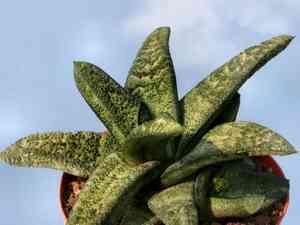
Gasteria batesiana (Gasteria batesiana)
Also known as: Bates's Gasteria
Gasteria batesiana, also known as knoppies gasteria, is a type of succulent plant that originates from the inland escarpment located in the far northeast of South Africa.
In This Article
Attributes of Gasteria batesiana
Lifespan
This variety of Gasteria is a perennial plant that grows throughout the year
Plant Height
Up to 12 inches (30 cm)
Spread
Up to 2 inches (5 cm)
Leaf Color
Dark green to brownish green
Flower Size
N/A
Flower Color
Pink to Red-Brown
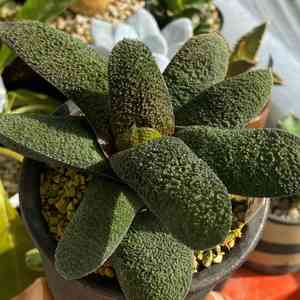
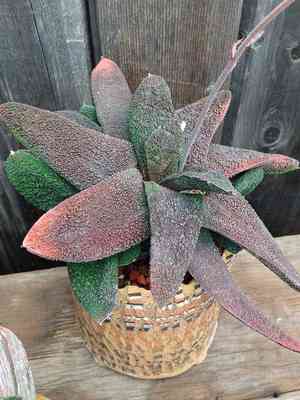
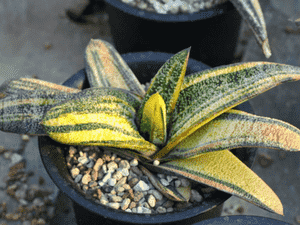
Images of Gasteria batesiana
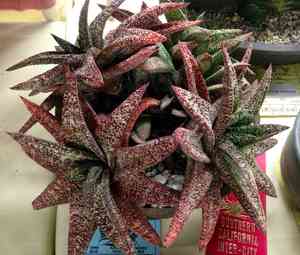
Quickly Identify Gasteria batesiana
1
Gasteria batesiana can be identified by its robust, tongue-shaped leaves with unique, knobby textures and white spots. It typically produces tubular, red or pink flowers that hang from a long stem.
Scientific Classification of Gasteria batesiana
Phylum
Angiospermae
Class
Monocotyledonae
Order
Asparagales
Family
Asphodelaceae
Genus
Gasteria
Species
G. batesiana
Planting and Growing of Gasteria batesiana
Care Difficulty
Easy
Watering Schedule
Every 2 days
Sunlight Requirements
Partial sun
Sunshine Duration
8-12 hours
Ideal Temperature
60-75℉
Soil Type
Potting Mix, Peat Mix
Soil pH
6.5-7.5
Fertilizer Type
Balanced
Pruning Season
Spring, Summer
Pruning Area
Branches, Leaves
Pruning Frequency
2 times a year
Repotting Season
Spring
Pot Type
Plastic, Ceramic
 How to Water Gasteria batesiana?
When watering Gasteria batesiana, ensure that the soil is moistened but not waterlogged. The plant prefers to dry out between waterings, so make sure that the top 2 inches of soil are dry before watering again. Always avoid leaving the plant sitting in water, which can cause root rot.
What are the symptoms of an underwatered Gasteria batesiana?
›
What should I do if my Gasteria batesiana is not getting enough water?
›
What are the symptoms of an overwatered Gasteria batesiana?
›
How to save an overwatered Gasteria batesiana?
›
 What Are the Sunlight Requirements for Gasteria batesiana?
Partial sun exposure between 2-4 hours daily is ideal. This range allows Gasteria batesiana to sustain energy, promoting lush, vivid foliage without the detrimental effects of excessive or insufficient lighting.
Best Lighting Conditions
›
Solution Details
›
Benefits of Ideal Light
›
 What Is the Ideal Temperature Range for Gasteria batesiana?
For Gasteria batesiana, maintaining an ideal temperature range is crucial for optimal growth. The ideal temperature range for this succulent is between 60°F and 75°F. This range allows the plant to thrive without stressing due to heat or cold. At these temperatures, the plant can efficiently perform photosynthesis and other metabolic activities essential for its vigor and health.
 What Soil is Best for Gasteria batesiana?
Gasteria batesiana requires well-draining soil to prevent root rot. The benefits of using such soil include better aeration and reduced risk of waterlogged conditions, which are detrimental to plant health. While Gasteria batesiana does not need extremely fertile soil, a modest amount of organic matter in the soil supports healthy growth. This helps in maintaining lush foliage and steady growth. The plant thrives in soil that retains moderate moisture without becoming soggy. This ensures that the roots get enough water while avoiding the detrimental effects of overwatering.
 How to Fertilize Gasteria batesiana?
For Gasteria batesiana, a modest amount of fertilizer is more than enough to keep it healthy. Due to its succulent nature, it thrives on minimal nutrient supplementation. When using liquid fertilizer, dilute it to half strength to prevent root burn. A few drops per application should suffice to nourish this sturdy plant.
 How to Prune Gasteria batesiana?
Begin by examining the plant for dead or decayed leaves. These are often brown or shriveled and can be found around the base. Removing these not only improves appearance but also reduces pest habitats. Check for areas where leaves are heavily overlapping or pressed against each other. Acute crowding can limit airflow and light penetration, hindering overall plant health and increasing the risk of fungus. Maintain Gasteria batesiana's natural shape by cutting selectively. Focus on achieving an even distribution of leaves for better light access, keeping in mind the natural symmetry of the plant.
 How to Propagate Gasteria batesiana plant?
1
For seed propagation, start by collecting mature seeds from the plant. Clean them thoroughly to remove any pulp or debris. Seeds should be dried in a cool, shaded place to prevent mold growth.
2
For cuttings, take a healthy leaf or offset from the plant. Allow the cutting to dry and callous over for a few days. This helps prevent rot when planted. Place the cutting in a pot with a suitable potting mix, ensuring it’s stable and not buried too deep.
3
For division propagation, remove the plant from its pot and gently separate the pups or offsets from the main plant. Ensure each division has its roots. Replant these divisions in individual pots with appropriate soil.
 How to Repot Gasteria batesiana plant?
1
Gasteria batesiana needs repotting when its roots fill the pot or start to grow out of the drainage holes. This usually happens every 2-3 years. Repotting is best done in spring or summer when the plant is actively growing.
2
Select a pot that is one size larger than the current one and has drainage holes. A ceramic or terracotta pot can help prevent overwatering by allowing excess moisture to evaporate, reducing the risk of root rot.
3
Use a well-draining cactus mix with sand or perlite for added drainage. This soil prevents water retention, reducing the likelihood of root rot and ensuring a healthy environment for succulent growth.

