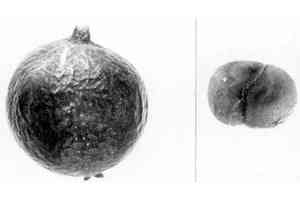
Wright's silktassel (Garrya wrightii)
Also known as: Wright's Silktassel, Wright's Garrya
Wright's silktassel, scientifically known as Garrya wrightii, is also called coffee berry, fever bush, grayleaf dogwood, and quinine bush. This plant is native to the southwestern regions of North America. Although it's possible to produce rubber from this plant, the yield is minimal, making the process generally impractical.
In This Article
Attributes of Wright's silktassel
Lifespan
Perennial
Plant Type
Tree, Shrub
Plant Height
3.5 m to 11 m
Spread
90 cm to 2.5 m
Leaf Color
Dark green
Flower Size
2.5 mm to 5 mm
Flower Color
Yellow Green
Images of Wright's silktassel
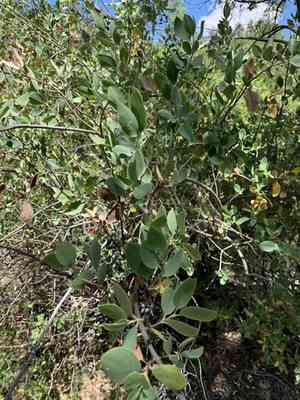
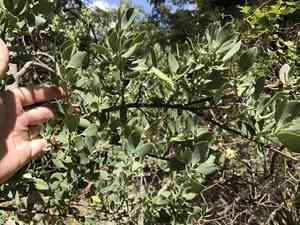
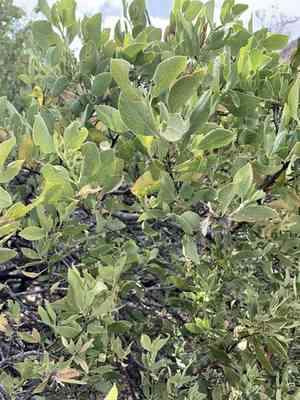
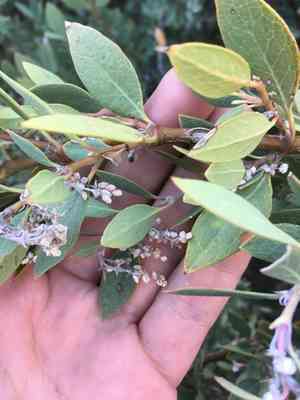
Quickly Identify Wright's silktassel
1
Identify Garrya wrightii by its oblong, leathery leaves with wavy margins and its distinctive hanging catkin-like flower clusters that appear in late winter to early spring.
Scientific Classification of Wright's silktassel
Phylum
Vascular plants
Class
Dicotyledons
Order
Garryales
Family
Silk tassel
Genus
Silk tassel
Species
Wright's silktassel
Planting and Growing of Wright's silktassel
Care Difficulty
Easy
Watering Schedule
Every 2 days
Sunlight Requirements
Partial sun
Sunshine Duration
4-6 hours
Ideal Temperature
60-75℉
Soil Type
Potting Mix, Peat Mix
Soil pH
6.5-7.5
Fertilizer Type
Balanced
Pruning Season
Spring, Summer
Pruning Area
Branches, Leaves
Pruning Frequency
Once a year
Repotting Season
Spring
Pot Type
Plastic, Ceramic
 How to Water Wright's silktassel?
For Garrya wrightii, it is essential to ensure consistent but moderate watering. The soil should be thoroughly moistened with around 500 ml per session. Always allow the top inch of the soil to dry out between waterings to prevent root rot, while ensuring the lower layers remain slightly damp.
What are the symptoms of an underwatered Wright's silktassel?
›
What should I do if my Wright's silktassel is not getting enough water?
›
What are the symptoms of an overwatered Wright's silktassel?
›
How to save an overwatered Wright's silktassel?
›
 What Are the Sunlight Requirements for Wright's silktassel?
Garrya wrightii benefits considerably from partial to full sun exposure. Ideal conditions include 6-8 hours of sunlight which aid in maintaining vitality and promoting lush, green foliage.
What is the best lighting setup for Garrya wrightii?
›
How to achieve ideal light for Garrya wrightii?
›
Benefits of ideal light for Garrya wrightii?
›
 What Is the Ideal Temperature Range for Wright's silktassel?
The ideal temperature range for Garrya wrightii is between 60°F and 75°F. This range provides optimal conditions for photosynthesis and growth, ensuring the plant remains healthy and vibrant. Adequate warmth within this range helps in maintaining the plant's physiological processes efficiently.
 What Soil is Best for Wright's silktassel?
Garrya wrightii thrives in well-drained soil which prevents root rot by allowing excess water to flow away efficiently. This is essential for the plant to receive optimal moisture without becoming waterlogged. The plant prospers in soils that are rich in organic matter. Nutrients are crucial for the robust growth of Garrya wrightii and help in producing lush foliage and healthy blooms. A slightly alkaline to neutral pH supports the maintenance of essential nutrient balance. It ensures that the plant roots can absorb all available nutrients effectively.
 How to Fertilize Wright's silktassel?
Garrya wrightii prefers a moderate amount of fertilizer. In the active growing season, apply a balanced liquid fertilizer diluted to half strength, about one tablespoon per gallon, around the base of the plant. Avoid excessive amounts to prevent root burn.
 How to Prune Wright's silktassel?
Begin by assessing the overall shape of the Garrya wrightii. Use sharp, clean pruning shears to cut back any branches that have grown out of the desired shape or size. Focus on maintaining a natural, balanced form that allows sunlight to reach the plant's interior. Carefully examine the plant for any branches that appear dead or damaged. These should be cut back to a healthy point just above a bud or branch. Removing these allows the plant to channel its energy into new, healthy growth. To promote denser foliage, cut back lateral branches by up to one third. This encourages the growth of new shoots which will increase the overall density of the plant, contributing to a lush, full appearance.
More About Pruning Techniques→
 How to Propagate Wright's silktassel plant?
1
Collect ripe seeds from the bush in late winter or early spring. Ensure the seeds are completely dry before storing them in a cool, dry place until sowing.
2
Select healthy, semi-hardwood stems during the spring. Cut them to about 10-15 cm long with several leaf nodes, ensuring each cutting has at least one node buried in the soil.
3
Plant seeds or cuttings in a well-draining potting mix. For seeds, sow at a shallow depth. For cuttings, dip the ends in rooting hormone before inserting them into the soil. Maintain a humid environment to encourage rooting.
 How to Repot Wright's silktassel plant?
1
Garrya wrightii sends clear signals when it's ready for repotting. Look for signs such as roots growing out of the drainage holes, reduced growth, or if the plant becomes top-heavy and unstable. The best time to repot is in spring or autumn, when the plant is not in its active blooming phase, allowing it to focus on settling into new soil quietly.
2
Choose a pot that’s just one size larger than the current pot. It's important to avoid going for an overly large pot, as it can lead to excessive soil moisture and root rot. Opt for pots with good drainage holes to ensure water does not stagnate and create a breathable environment for root development.
3
Select a well-draining, alkaline soil mix for Garrya wrightii. This choice ensures that water doesn't linger long enough to cause root rot and matches the plant’s natural habitat preference. Consider a mix containing sandy elements and organic matter to enhance aeration and nutrient availability.
Learn More About Wright's silktassel Diseases
Anthracnose
Bacterial Leaf Spot
Crown Gall
Damping-off
Downy Mildew
Drought Stress
Fusarium Wilt
Gray Mold
Leaf Curl
Leaf Spot
Mosaic
Nutrient Deficiency
Nutrient Toxicity
Powdery Mildew
Root Rot
Root-knot Nematode
Rusts
Sooty Mold
Spider Mites
Temperature Stress
Thrips Damage
White Mold
Chemical Injury



