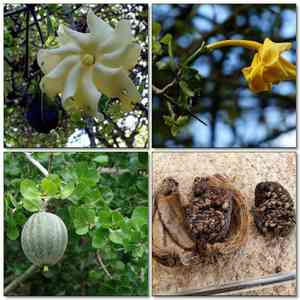
Bushveld gardenia (Gardenia volkensii)
Also known as: Transvaal gardenia
The Bushveld gardenia, a shrub native to Eastern Africa, excels in both forest edges and open woodlands. This evergreen plant features glossy, oblong leaves and is renowned for its highly fragrant, large white flowers that turn creamy yellow at the center. Its beautiful aroma attracts numerous pollinators, making it an important component of its habitat.
In This Article
Attributes of Bushveld gardenia
Lifespan
Perennial
Plant Type
Tree, Shrub
Plant Height
2-5 meters
Spread
1-3 meters
Leaf Color
Dark green
Flower Size
5-8 cm
Flower Color
White
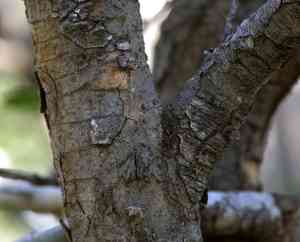
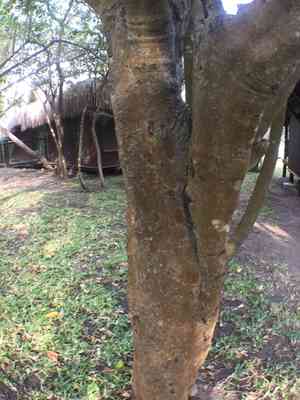
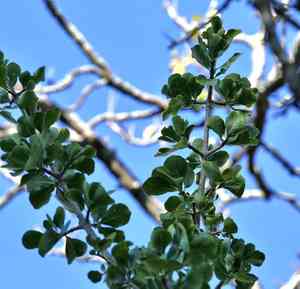
Images of Bushveld gardenia
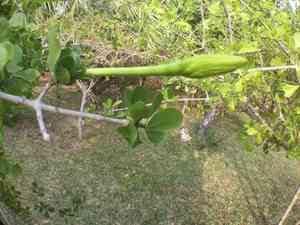
Quickly Identify Bushveld gardenia
1
Gardenia volkensii can be identified by its glossy, dark green leaves and its white, sweet-smelling flowers that typically bloom in clusters. The fruit is a small, berry-like orange capsule.
Scientific Classification of Bushveld gardenia
Phylum
Vascular plants
Class
Dicotyledons
Order
Gentianales
Family
Madder
Genus
Gardenias
Species
Bushveld gardenia
Planting and Growing of Bushveld gardenia
Care Difficulty
Hard
Watering Schedule
Every 2 days
Sunlight Requirements
Full sun
Sunshine Duration
6-10 hours
Ideal Temperature
65-75℉
Soil Type
Potting Mix, Peat Mix
Soil pH
6.5-7.5
Fertilizer Type
Balanced
Pruning Season
Spring, Summer
Pruning Area
Branches, Leaves
Pruning Frequency
2 times a year
Repotting Season
Spring
Pot Type
Plastic, Ceramic
 How to Water Bushveld gardenia?
For Gardenia volkensii, providing around 500ml of water per session helps maintain optimal moisture levels. The watering principle relies on ensuring the soil is evenly moist but not waterlogged; this helps the plant thrive in conditions similar to its native environment.
What are the symptoms of an underwatered Bushveld gardenia?
›
What should I do if my Bushveld gardenia is not getting enough water?
›
What are the symptoms of an overwatered Bushveld gardenia?
›
How to save an overwatered Bushveld gardenia?
›
 What Are the Sunlight Requirements for Bushveld gardenia?
Gardenia volkensii does best with partial to full sun exposure, ensuring it receives enough light for blooming while avoiding excessive heat stress. Ideal light promotes lush foliage and abundant flowers.
What type of sunlight does Gardenia volkensii prefer?
›
How to achieve ideal lighting conditions for Gardenia volkensii?
›
Benefits of providing ideal lighting for Gardenia volkensii
›
 What Is the Ideal Temperature Range for Bushveld gardenia?
Gardenia volkensii thrives best within a warm climate, ideally between 65°F and 75°F. This temperature range supports optimal metabolic activity and photosynthesis, leading to better growth and flowering. Consistency within this range minimizes stress, promoting robust health and vibrant blooms.
 What Soil is Best for Bushveld gardenia?
Gardenia volkensii thrives in well-drained soil that prevents waterlogging. This type of soil ensures that the roots get access to air and moisture without being submerged, preventing root rot and promoting healthy growth. A nutrient-rich soil is essential for the lush growth of Gardenia volkensii. The presence of ample organic matter in the soil helps in providing necessary nutrients, supporting the plant's growth and flowering cycles vibrantly. While the soil should be well-drained, it also needs to retain sufficient moisture to support the plant. Sandy loam achieves this balance, providing enough moisture for the plant to stay hydrated without over-saturation.
 How to Fertilize Bushveld gardenia?
When fertilizing Gardenia volkensii, use a balanced fertilizer at half strength for young plants and full strength for mature ones. Mix it well with water when using liquid fertilizers. For granular types, evenly spread it on the soil surface. The correct amount ensures healthy foliage and abundant flowering.
 How to Prune Bushveld gardenia?
Start by removing any dead or diseased branches to promote healthy growth. Use sharp, sterile pruning shears and make clean cuts at a slight angle to prevent water accumulation and rot. Focus on maintaining an open center for better air circulation and sunlight penetration. To shape your Gardenia volkensii, consider trimming in a way that maintains its natural form while encouraging bushiness. Trim back overly long branches to a lateral bud, just above where new leaves sprout. A hand pruner with a bypass blade design works best for such precise cuts. For enhanced flower production, prune back growth that has already bloomed to just above a set of leaves or lateral buds. This facilitates the plant to focus energy on new growth and blossoming. Be careful not to prune too aggressively, as this might limit flower production.
 How to Propagate Bushveld gardenia plant?
1
Choose healthy, disease-free stems from the Gardenia volkensii for cuttings. Aim for young, green stems approximately 6 inches long.
2
Trim the stem slightly above a node at a 45-degree angle. Remove leaves from the lower half to help reduce moisture loss.
3
Insert the cutting into a pot filled with a mix of peat and perlite. Water thoroughly and cover with plastic to maintain humidity.
 How to Repot Bushveld gardenia plant?
1
Gardenia volkensii shows signs of needing a repot when you notice roots circling at the pot's base or coming out of drainage holes. Additionally, growth slowing down or yellowing leaves can be indicators. Spring or autumn are ideal for repotting when the plant is not in active bloom. This period minimizes stress and allows the plant to establish its roots in new soil.
2
Select a pot that is merely one size larger than the current one. Ensuring good drainage is crucial to prevent root rot. A ceramic or clay pot is preferred over plastic as it provides better water evaporation and keeps soil from staying too damp. This aids in mimicking natural Gardenia conditions, promoting healthier growth.
3
For Gardenia volkensii, choose a well-draining loamy mix, enriched with some organic matter like peat moss or well-rotted compost. Such a composition ensures the soil remains airy, allowing proper root breathing and reducing water-logging risks while providing the necessary acidity and nutrients.
Learn More About Bushveld gardenia Diseases
Anthracnose
Bacterial Leaf Spot
Bacterial Soft Rot
Bacterial Wilt
Black Spot
Chemical Injury
Crown Gall
Damping-off
Drought Stress
Fusarium Wilt
Gray Mold
Leaf Curl
Leaf Spot
Mosaic
Nutrient Deficiency
Nutrient Toxicity
Powdery Mildew
Root Rot
Root-knot Nematode
Sooty Mold
Spider Mites
Temperature Stress
Thrips Damage
White Mold



