
Cape jasmine (Gardenia jasminoides)
Also known as: Danh-danh, Cape jessamine
Gardenia jasminoides, commonly known as Cape Jasmine, is esteemed by gardeners and horticulturalists for its striking attributes. This evergreen shrub features lustrous, dark green leaves that offer year-round appeal. Its exquisite, creamy-white flowers are highly fragrant and frequently used in floral arrangements due to their elegance. The plant's overall aesthetic charm and versatility in garden design contribute to its widespread popularity and admiration.
Attributes of Cape jasmine
Images of Cape jasmine

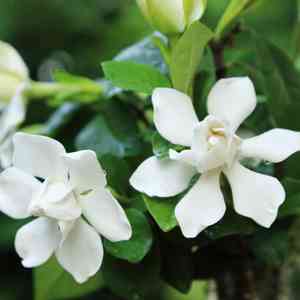
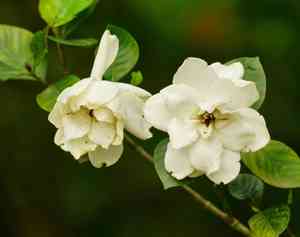
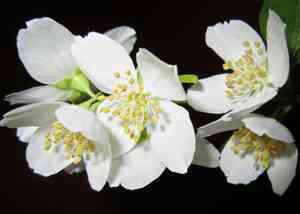
Quickly Identify Cape jasmine
Scientific Classification of Cape jasmine
Planting and Growing of Cape jasmine
 How to Water Cape jasmine?
 What Are the Sunlight Requirements for Cape jasmine?
 What Is the Ideal Temperature Range for Cape jasmine?
 What Soil is Best for Cape jasmine?
 How to Fertilize Cape jasmine?
 How to Prune Cape jasmine?
 How to Propagate Cape jasmine plant?
 How to Repot Cape jasmine plant?
Toxicity of Cape jasmine
Is Cape jasmine toxic to humans?
Cape jasmine is regarded as non-toxic to humans, even if consumed inadvertently by adults or children. Generally speaking, while some individuals might experience an allergic response from handling this plant or if it is mistakenly ingested, no adverse reactions are anticipated in humans who come into contact with this plant or other varieties of gardenias.
Is Cape jasmine toxic to cat?
Cape jasmine (Gardenia jasminoides) poses a moderate to severe threat to cats' health. Fortunately, its unpleasant taste usually deters felines from consuming significant amounts of the plant. If ingested, symptoms may manifest as excessive vomiting, diarrhea, and skin hives. Although fatalities are rare, it is essential to seek veterinary care if a cat exhibits signs of serious illness.
Is Cape jasmine toxic to dog?
Poisoning from Cape jasmine in dogs can vary from moderate to severe cases, necessitating medical attention. Common symptoms encompass changes in cardiovascular function, tremors, dilation of the pupils, and gastrointestinal distress. While the entire plant poses toxicity to dogs, the highest concentration of toxins is found within the berries.



