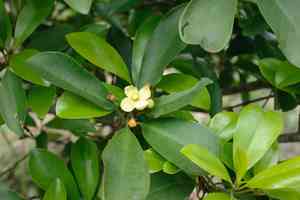
Garcinia (Garcinia multiflora)
Also known as: None
Garcinia is a tropical evergreen tree recognized for its thick, bushy canopy and shiny, deep-green, oblong leaves. It produces small yellow flowers that sometimes bloom into segmented, tart fruits. This plant flourishes in humid conditions with consistent rainfall, which supports its lush and vibrant growth.
In This Article
Attributes of Garcinia
Lifespan
Perennial
Plant Type
Tree
Plant Height
6-15 meters
Spread
4-6 meters
Leaf Color
Green
Flower Size
0.5-1 cm
Flower Color
Yellow-green
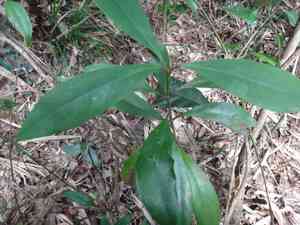
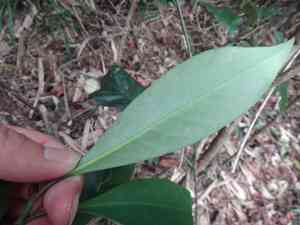
Images of Garcinia
Quickly Identify Garcinia
1
Garcinia multiflora can be recognized by its leathery, glossy green leaves that are elliptic to ovate in shape. It produces small, yellow-green flowers and round, yellowish fruits. The tree's bark is smooth and gray.
Scientific Classification of Garcinia
Phylum
Vascular plants
Class
Dicotyledons
Order
Nances, spurges, willows and allies
Family
Mangosteen
Genus
Saptrees
Species
Garcinia
Planting and Growing of Garcinia
Care Difficulty
Moderate
Watering Schedule
Every 2 days
Sunlight Requirements
Partial sun
Sunshine Duration
4-6 hours
Ideal Temperature
70-85℉
Soil Type
Potting Mix, Peat Mix
Soil pH
5.5-6.5
Fertilizer Type
Balanced
Pruning Season
Spring, Summer
Pruning Area
Branches, Leaves
Pruning Frequency
2 times a year
Repotting Season
Spring
Pot Type
Plastic, Ceramic
 How to Water Garcinia?
Garcinia multiflora prefers a consistent yet moderate watering routine. The goal is to maintain evenly moist soil without letting it become waterlogged. Pour 500ml of water each time until the soil feels moist but not saturated. This is important for allowing the roots to breathe and preventing root rot.
What are the symptoms of an underwatered Garcinia?
›
What should I do if my Garcinia is not getting enough water?
›
What are the symptoms of an overwatered Garcinia?
›
How to save an overwatered Garcinia?
›
 What Are the Sunlight Requirements for Garcinia?
Ideal light conditions involve partial sunlight or dappled shade, which enhances the plant's growth and blossoming capacity by offering the right balance between light exposure and shade.
Optimal Sun Exposure
›
Balancing Light and Shade
›
Benefits of Ideal Lighting
›
 What Is the Ideal Temperature Range for Garcinia?
Garcinia multiflora thrives best within a temperature range of 70 to 85°F. This range is optimal for photosynthesis and overall growth, providing the perfect balance of warmth without stressing the plant. Maintaining this range ensures robust foliage and healthy fruit production.
 What Soil is Best for Garcinia?
Garcinia multiflora thrives in well-draining soil that prevents water from pooling around its roots, reducing the risk of root rot. This helps the plant access necessary nutrients efficiently and supports healthy growth. A nutrient-rich soil, ideally loamy with organic matter, is essential for Garcinia multiflora. This encourages vigorous growth and promotes abundant fruiting by replenishing nutrients absorbed by the plant. Soil that has good moisture retention capabilities is beneficial for this plant. It ensures that the plant remains hydrated during dry spells, but care should be taken to avoid waterlogging.
 How to Fertilize Garcinia?
For Garcinia multiflora, it's important to maintain a balanced fertilization routine. Apply a liquid fertilizer at half the recommended strength to avoid excessive salt build-up. For solid fertilizers, use a slow-release, balanced fertilizer. Apply around 2-3 grams per liter of soil to provide adequate nutrition without overwhelming the plant.
 How to Prune Garcinia?
First, identify any dead, damaged, or crossing branches and remove them. Make cuts at a 45-degree angle above a healthy bud or branch junction. Thinning out older growth allows more light and air to penetrate the canopy, promoting overall health. Focus on fostering a balanced shape by trimming back overly long branches. After pruning, water the plant well and apply a balanced fertilizer to support new growth. Monitor the plant closely in the weeks following pruning for any signs of stress or disease. Mulching can be beneficial in retaining soil moisture and providing nutrients.
More About Pruning Techniques→
 How to Propagate Garcinia plant?
1
Begin by soaking the seeds for 24 hours to enhance germination. Plant the seeds in a seed tray filled with well-draining soil, keeping them in a warm and humid environment.
2
Select healthy, semi-hardwood stems for cuttings. Cut sections of about 10-15 cm in length, remove lower leaves, and dip the ends in rooting hormone before planting.
3
Identify compatible rootstock and scion parts for grafting. Make clean cuts and join them securely using grafting tape, ensuring good contact between cambiums.
 How to Repot Garcinia plant?
1
If your Garcinia multiflora has roots growing out through the drainage holes or is visibly root-bound, it's time to repot. Look for signs like lagging growth, frequent wilting, and a general decline in plant vigor. Repotting should ideally occur during its active growing season to reduce stress.
2
Select a pot that is 2 inches larger in diameter than the current one and has ample drainage holes. Terracotta pots are ideal as they allow moisture to escape, preventing overwatering. Having a slightly larger pot ensures the roots have space to grow without being too spacious to cause waterlogging.
3
Garcinia multiflora thrives in well-draining, slightly acidic soil, so opt for a mix that contains perlite, peat, and coarse sand. This combination ensures that the roots stay aerated and free from rot while supplying the necessary nutrients for growth.
Learn More About Garcinia Diseases
Anthracnose
Bacterial Leaf Spot
Bacterial Soft Rot
Bacterial Wilt
Black Spot
Chemical Injury
Crown Gall
Cyst Nematode
Damping-off
Downy Mildew
Drought Stress
Fusarium Wilt
Gray Mold
Leaf Curl
Leaf Spot
Mosaic
Nutrient Deficiency
Nutrient Toxicity
Powdery Mildew
Root Rot
Root-knot Nematode
Rusts
Sooty Mold
Spider Mites
Temperature Stress
Thrips Damage
White Mold



