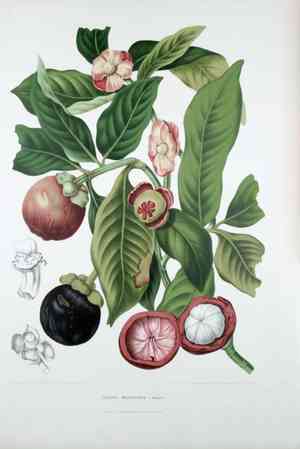
Mangosteen (Garcinia mangostana)
Also known as: Gamboge
Mangosteen (Garcinia mangostana) is an evergreen tree known for its delectable fruit. The fruit has a tough, dark purple rind that, when opened, reveals sweet and tangy white segments. The vibrant purple skin is notorious for staining clothing and fabrics, which has resulted in its prohibition in numerous Southeast Asian hotels.
In This Article
Attributes of Mangosteen
Lifespan
Perennial
Plant Type
Tree
Plant Height
12 m to 15 m
Spread
10 m
Leaf Color
Green
Flower Size
4.5 mm to 5 mm
Flower Color
Yellow Orange
Images of Mangosteen
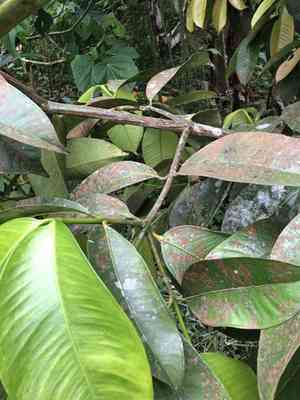
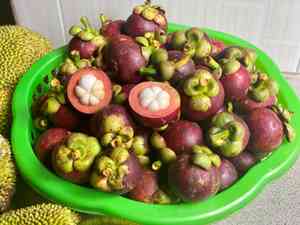
Quickly Identify Mangosteen
1
The tree has a pyramid-shaped crown, dark green, glossy leaves, and reddish-purple flowers. The fruit is round with a thick, deep purple rind and contains 4 to 8 white, juicy, sweet, and tangy segments.
Scientific Classification of Mangosteen
Phylum
Vascular plants
Class
Dicotyledons
Order
Nances, spurges, willows and allies
Family
Mangosteen
Genus
Saptrees
Species
Mangosteen
Planting and Growing of Mangosteen
Care Difficulty
Hard
Watering Schedule
Every 3 days
Sunlight Requirements
Partial sun
Sunshine Duration
4-6 hours
Ideal Temperature
77-86℉
Soil Type
Potting Mix, Peat Mix
Soil pH
5.5-6.5
Fertilizer Type
Balanced
Pruning Season
Spring, Summer
Pruning Area
Branches, Leaves
Pruning Frequency
2 times a year
Repotting Season
Spring
Pot Type
Plastic, Ceramic
 How to Water Mangosteen?
The Garcinia mangostana, commonly known as the mangosteen, requires careful watering to thrive. Generally, the soil should be kept consistently moist but not waterlogged. Water moderately, ensuring about 500 milliliters per session, allowing the water to seep through the soil thoroughly but avoiding standing water. This plant prefers a balance, so it's important that excess water drains away to prevent root rot.
What are the symptoms of an underwatered Mangosteen?
›
What should I do if my Mangosteen is not getting enough water?
›
What are the symptoms of an overwatered Mangosteen?
›
How to save an overwatered Mangosteen?
›
 What Are the Sunlight Requirements for Mangosteen?
Garcinia mangostana thrives best in partial sun, receiving about 4 to 6 hours of indirect light daily. Proper light fosters optimal growth, enhances photosynthetic activity, and supports eventual fruit development.
More About Sunlight Requirements Techniques→
What is the ideal light for Garcinia mangostana?
›
How can I make sure my Garcinia mangostana receives the ideal amount of light?
›
What benefits does Garcinia mangostana gain from ideal lighting conditions?
›
 What Is the Ideal Temperature Range for Mangosteen?
The ideal temperature range for the cultivation of Garcinia mangostana is between 77°F and 86°F. Maintaining this warm and humid environment ensures optimal growth and fruit production. In these temperatures, metabolic processes occur efficiently, ensuring the plant can photosynthesize and grow vigorously.
 What Soil is Best for Mangosteen?
Garcinia mangostana thrives in well-drained soils, ensuring the roots do not become waterlogged. This helps prevent root rot and supports healthy growth by allowing the roots to access necessary nutrients and oxygen efficiently. The soil for Garcinia mangostana should retain moisture without becoming overly saturated. Balanced moisture helps in steady growth and ensures the plant does not experience drought stress, which can hinder fruit development. A soil rich in organic matter provides essential nutrients to Garcinia mangostana. This boosts its fruiting potential and ensures the plant has the energy for new growth, leading to a stronger, more productive tree.
 How to Fertilize Mangosteen?
When fertilizing Garcinia mangostana, it's essential to use a balanced fertilizer with a 10-10-10 NPK ratio. For liquid fertilizers, apply around 1 liter per plant in a diluted form to prevent root burn. For solid fertilizers, distribute 500 grams evenly around the base, avoiding direct contact with the trunk.
 How to Prune Mangosteen?
The best time to prune Garcinia mangostana is during the end of the rainy season, typically in Spring, Summer, or Autumn. Pruning during these times ensures the plant heals quickly and new growth emerges effectively. Begin by removing any dead, diseased, or damaged branches. Use a clean, sharp pruning saw or shears to make clean cuts and ensure healthy growth. Focus on branches that look unhealthy or have no leaves. Garcinia mangostana can become densely packed with branches. Selectively thin out some of these branches to allow light and air to penetrate the canopy, promoting healthy photosynthesis and reducing the risk of fungal diseases.
More About Pruning Techniques→
 How to Propagate Mangosteen plant?
1
Choose seeds that are healthy and mature for propagation. Prior to sowing, soak them in water for 24 hours to enhance germination rates and encourage quicker sprouting.
2
Place seeds in a well-draining soil mix in seedling trays. Cover them lightly with soil and ensure they are spaced properly to allow for growth. Keep the soil consistently moist but not waterlogged.
3
For grafting propagation, carefully prepare rootstock and scion. Ensure a precise fit and secure the grafting site with tape or grafting wax to maintain humidity and stability as the graft heals.
 How to Repot Mangosteen plant?
1
Garcinia mangostana signals it's time for a new home when you notice roots growing through the drainage holes or the plant becoming root-bound. Spring is ideal, providing the plant a growth period to recover after repotting.
2
Opt for a pot one size larger than the current one, with sufficient drainage holes to ensure excess water escapes. This prevents root rot and provides ample space for root expansion, which is crucial for its health.
3
Select a well-draining acidic soil mix, such as a blend with peat and sand. This mimics the native habitat conditions and promotes healthy root growth, preventing water retention which can cause root issues.
Learn More About Mangosteen Diseases
Anthracnose
Bacterial Leaf Spot
Bacterial Soft Rot
Bacterial Wilt
Black Spot
Chemical Injury
Crown Gall
Cyst Nematode
Damping-off
Drought Stress
Fusarium Wilt
Gray Mold
Leaf Curl
Leaf Spot
Mosaic
Nutrient Deficiency
Nutrient Toxicity
Powdery Mildew
Root Rot
Root-knot Nematode
Rusts
Sooty Mold
Spider Mites
Temperature Stress
Thrips Damage
White Mold



