Reishi (Ganoderma lucidum)
Also known as: Lacquered bracket, Shiny polyporus
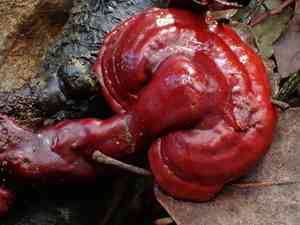
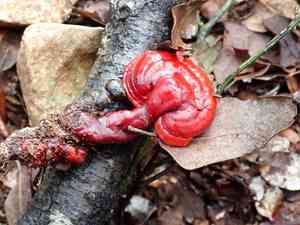
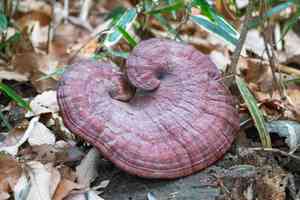
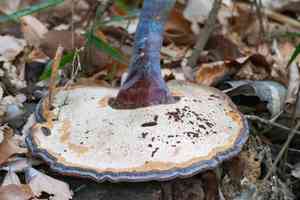
The reishi (Ganoderma lucidum) mushroom typically forms as a shelf-like structure on the sides of hardwood trees or occasionally appears as a rosette on stumps. It has a smooth, glossy surface with a reddish-brown hue. Reishi mushrooms thrive in warm temperate to subtropical regions and are also commercially grown on substrates like grain and sawdust. They hold cultural importance in various Chinese traditions.
In This Article
Attributes of Reishi
Lifespan
Perennial
Plant Height
2 inches
Spread
12 inches
Leaf Color
N/A
Flower Size
N/A
Flower Color
N/A
Images of Reishi
Quickly Identify Reishi
1
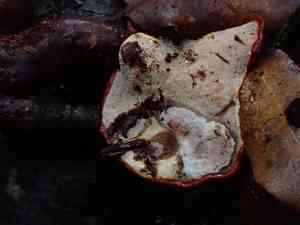
Ganoderma lucidum can be identified by its reddish-brown, kidney-shaped cap and its shiny, varnished appearance. The underside of the cap has small white or cream-colored pores rather than gills.
Scientific Classification of Reishi
Phylum
Club fungi
Class
Mushroom-forming fungi
Order
Shelf fungi
Family
Ganodermataceae
Genus
Artist's bracket and allies
Species
Reishi
Planting and Growing of Reishi
Care Difficulty
Moderate
Watering Schedule
Every 2 days
Sunlight Requirements
Partial sun
Sunshine Duration
6-10 hours
Ideal Temperature
68-77℉
Soil Type
Potting Mix, Peat Mix
Soil pH
6-7
Fertilizer Type
Balanced
Pruning Season
Spring, Summer
Pruning Area
Branches, Leaves
Pruning Frequency
2 times a year
Repotting Season
Spring
Pot Type
Plastic, Ceramic
 How to Water Reishi?
For Ganoderma lucidum, ensure each watering provides approximately 100 milliliters of water. This amount helps maintain optimal moisture levels without causing oversaturation, crucial for the plant's mycelium growth.
What are the symptoms of an underwatered Reishi?
›
What should I do if my Reishi is not getting enough water?
›
What are the symptoms of an overwatered Reishi?
›
How to save an overwatered Reishi?
›
 What Are the Sunlight Requirements for Reishi?
Ganoderma lucidum's ideal light range is partial sun to full shade. This light condition protects the fungus from excessive moisture loss and overheating, enabling robust growth and efficient reproduction.
What kind of light does Ganoderma lucidum prefer?
›
How can I achieve ideal lighting for Ganoderma lucidum?
›
What benefits occur with ideal lighting?
›
 What Is the Ideal Temperature Range for Reishi?
Ganoderma lucidum thrives best in an environment where the temperature is consistently maintained between 68°F and 77°F. This range ensures optimal metabolic activity and growth. It is essential for ensuring that the mushroom can efficiently carry out cellular processes, which in turn leads to healthy growth and development.
 What Soil is Best for Reishi?
Reishi mushrooms thrive in soils that can retain moisture well, such as loam and sandy loam. This helps the fungi maintain steady growth and prevents desiccation. Soils with good aeration, like sandy loam, are essential for the oxygen exchange needed by the mycelium of Ganoderma lucidum, promoting healthy fungal development. Reishi prefers nutrient-rich soils, which provide essential minerals and organic matter that support its growth and increase its bioactive compound content.
 How to Fertilize Reishi?
For Ganoderma lucidum, it's important to use a balanced fertilizer. When using liquid fertilizer, mix it at half the recommended strength and apply only a few tablespoons per application. For slow-release fertilizer, a small handful distributed evenly around the growing medium every four months will suffice.
 How to Prune Reishi?
Begin by carefully examining the plant to locate any dead or decaying tissue. Ganoderma lucidum can exhibit signs of deterioration through discoloration or a mushy texture. Identifying these parts is essential for targeted pruning. When cutting dead or decayed sections, ensure your cuts are clean and precise. Removing only the unhealthy parts without damaging healthy tissue is critical for the plant’s recovery and regeneration. After pruning, provide adequate hydration and nutrients to the plant. This care aids in its recovery and promotes the continuation of robust growth. Monitor the plant closely for a few weeks post-pruning to ensure it responds well to the care.
 How to Propagate Reishi plant?
1
The first step is to prepare the culture medium with the appropriate nutrients and hormones tailored for Ganoderma lucidum to enhance growth. Sterility of the medium is crucial.
2
Select healthy tissue samples and sterilize them in a solution to avoid contamination when they're placed in the culture medium, ensuring success in the initial stages.
3
Carefully transfer the sterilized tissue to the culture vessels under sterile conditions, taking care to minimize exposure to non-sterile environments to avoid contamination.
 How to Repot Reishi plant?
1
Ganoderma lucidum should be repotted when you observe overly compacted substrate, slow growth, or roots appearing at the drainage holes. These signs indicate that the current environment is hindering the organism's development and that it needs fresh soil and more space to thrive.
2
Select a pot that is slightly larger than the previous one, with adequate drainage holes to prevent waterlogging. A ceramic or clay pot is preferred as it aids in natural aeration, ensuring excess moisture escapes, thus promoting healthy fungal growth.
3
Opt for a well-draining, organic-rich soil mix to mimic forest conditions. This soil provides essential texture and nutrients, ensuring that Ganoderma lucidum receives sufficient air circulation and nutritional support for optimal health and mushroom production.

