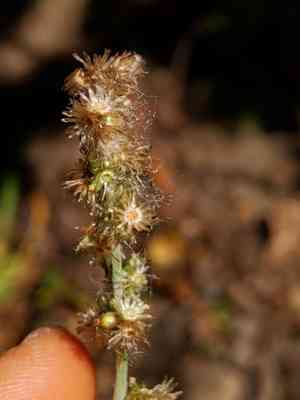
Pennsylvania everlasting (Gamochaeta pensylvanica)
Also known as: Wandering cudweed
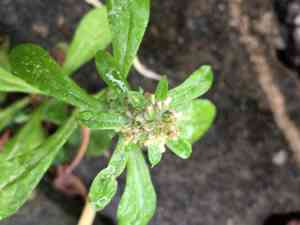
Native to South America, **Gamochaeta pensylvanica**, also known as Pennsylvania everlasting, is an annual herbaceous plant in the sunflower family. It has become widely naturalized in various regions. This plant is well-adapted to disturbed areas and is characterized by its woolly appearance, with greenish, spiky flower heads and leaves covered in white hairs on the underside.
In This Article
Attributes of Pennsylvania everlasting
Lifespan
Biennial, Annual
Plant Type
Herb
Plant Height
50 cm
Spread
There is no distinct crown, but the overall spread can be up to 20 cm (8 inches)
Leaf Color
Green
Flower Size
3 mm
Flower Color
White Yellow Purple Brown
Images of Pennsylvania everlasting
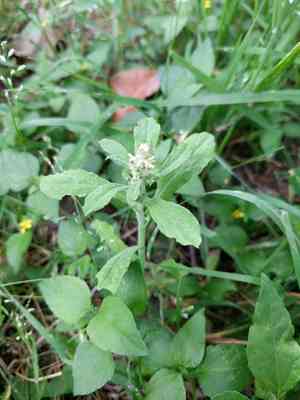
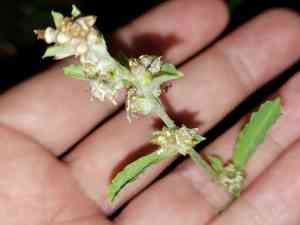
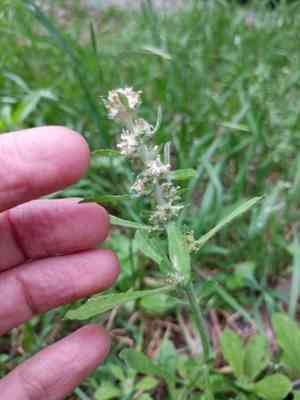
Quickly Identify Pennsylvania everlasting
1
This plant can be identified by its densely woolly, silver-gray leaves and stems. It produces clusters of small, greenish to yellowish flowers at the top of the stems. The leaves are typically lance-shaped and arranged alternately.
Scientific Classification of Pennsylvania everlasting
Phylum
Vascular plants
Class
Dicotyledons
Order
Asterales
Family
Daisy
Genus
Everlastings
Species
Pennsylvania everlasting
Planting and Growing of Pennsylvania everlasting
Care Difficulty
Easy
Watering Schedule
Every 4 days
Sunlight Requirements
Full sun
Sunshine Duration
4-8 hours
Ideal Temperature
60-75℉
Soil Type
Potting Mix, Peat Mix
Soil pH
6.5-7.5
Fertilizer Type
Balanced
Pruning Season
Spring, Summer
Pruning Area
Branches, Leaves
Pruning Frequency
2 times a year
Repotting Season
Spring
Pot Type
Plastic, Ceramic
 How to Water Pennsylvania everlasting?
Water Gamochaeta pensylvanica until the soil feels evenly moist. Aim to provide around 250 ml of water per session, which allows the soil to absorb moisture without sogginess. This plant prefers well-drained conditions, so avoid waterlogging.
What are the symptoms of an underwatered Pennsylvania everlasting?
›
What should I do if my Pennsylvania everlasting is not getting enough water?
›
What are the symptoms of an overwatered Pennsylvania everlasting?
›
How to save an overwatered Pennsylvania everlasting?
›
 What Are the Sunlight Requirements for Pennsylvania everlasting?
The ideal light range for Gamochaeta pensylvanica is partial to full sun, translating to about 4-8 hours of sunlight daily. This ensures optimal leaf and flower development, maintaining the plant's health and appearance.
What is the ideal lighting condition?
›
How can you achieve ideal lighting?
›
What are the benefits of ideal lighting?
›
 What Is the Ideal Temperature Range for Pennsylvania everlasting?
The ideal temperature range for Gamochaeta pensylvanica is between 60°F and 75°F. This range allows the plant to maintain optimal metabolic functions and supports healthy growth. Within this temperature range, the plant can effectively carry out photosynthesis and other physiological processes without being stressed by extreme heat or cold.
 What Soil is Best for Pennsylvania everlasting?
Gamochaeta pensylvanica thrives in soils with excellent drainage. The ability to allow excess water to pass through prevents root rot and other water-related issues, ensuring the plant remains healthy and robust. This plant benefits from a moderate level of organic matter in the soil. Nutrient-rich soil promotes vigorous growth, ensuring the plant can maintain its dense foliage and produce vibrant, healthy flowers. While good drainage is crucial, the soil should also retain some moisture to support continuous access to water. This balance provides the plant with the hydration it needs without waterlogging.
 How to Fertilize Pennsylvania everlasting?
For Gamochaeta pensylvanica, a modest amount of fertilizer is recommended. Use approximately 1/4 strength of a typical houseplant fertilizer. Make sure not to overwhelm the plant, as it prefers nutrient-poor conditions typical to its natural habitat.
 How to Prune Pennsylvania everlasting?
Begin by identifying dead, damaged, or diseased areas of the plant. Cut these parts back to healthy tissue. For overly tall or misshapen plants, trim to shape while ensuring you maintain the plant’s natural growth habit. When making cuts, prune at a slight angle about 1/4 inch above a bud that faces the outside of the plant. This promotes outward growth and prevents water from accumulating at the cut site, reducing the risk of rot.
 How to Propagate Pennsylvania everlasting plant?
1
Fill the seed tray with the sterile potting mix, leaving a small gap at the top for watering. Ensure the mix is evenly distributed and lightly firm it down to remove air pockets.
2
Sow the seeds on the surface of the prepared potting mix. Very gently press them into the mix but do not cover them, as light is necessary for germination.
3
Use a gentle spray to water the soil carefully to avoid displacing the seeds. It's important to keep the soil moist but not waterlogged during the germination process.
 How to Repot Pennsylvania everlasting plant?
1
Gamochaeta pensylvanica should be repotted when its roots start circling at the soil's surface, or when growth noticeably slows down. A spring or early summer repotting ensures the plant has optimal conditions for settling into its new environment, allowing for recovery before the dormant period.
2
Choose a pot that is one size larger with appropriate drainage holes. This choice ensures that excess water can escape, preventing root rot, while providing the plant with ample space for growth. Opt for materials like terracotta for added evaporation, helping maintain balanced moisture.
3
Select a well-draining potting mix that mimics the plant's natural habitat. The soil should retain enough moisture for the plant but also allow aeration. This soil type promotes healthy root development and prevents waterlogging, thus reducing the risk of root diseases.



