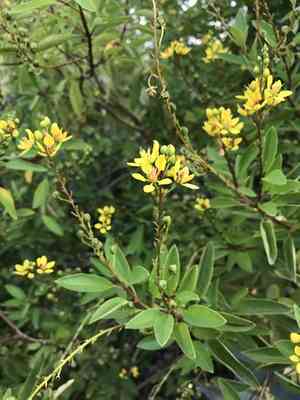
Slender goldshower (Galphimia gracilis)
Also known as: Shower-of-gold, Rain of Gold
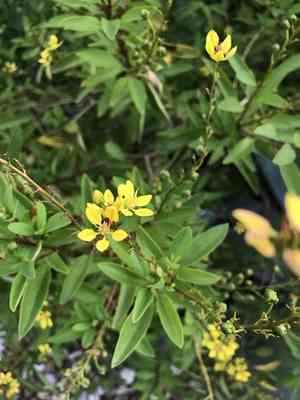
Galphimia gracilis, commonly known as the slender goldshower or shower-of-gold, is a flowering plant native to Mexico. It can be distinguished from related species such as Galphimia glauca and Galphimia brasiliensis by its unique yellow flowers.
In This Article
Attributes of Slender goldshower
Lifespan
Perennial
Plant Type
Shrub
Plant Height
1.8 m to 3 m
Spread
1.8 m to 3 m
Leaf Color
Green
Flower Size
1.3 cm
Flower Color
Yellow Gold
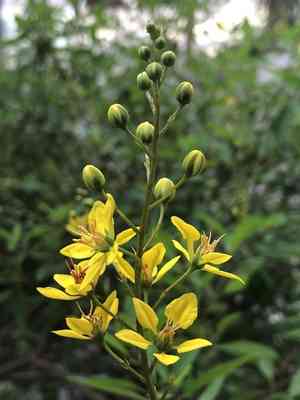
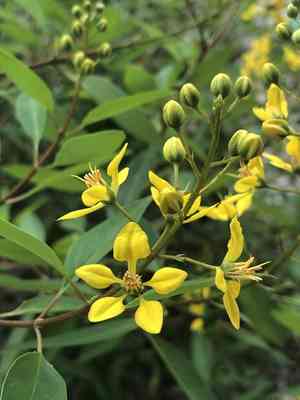
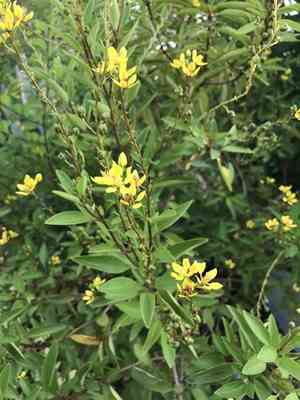
Images of Slender goldshower
Quickly Identify Slender goldshower
1
Identifying Galphimia gracilis involves looking for a bushy shrub with thin branches, glossy green leaves, and clusters of small, yellow, star-shaped flowers. The plant often flowers throughout the year in warm climates.
Scientific Classification of Slender goldshower
Phylum
Vascular plants
Class
Dicotyledons
Order
Malpighiales
Family
Barbados cherry
Genus
Galphimia
Species
Slender goldshower
Planting and Growing of Slender goldshower
Care Difficulty
Easy
Watering Schedule
Every 4 days
Sunlight Requirements
Full sun
Sunshine Duration
6-10 hours
Ideal Temperature
65-75℉
Soil Type
Potting Mix, Peat Mix
Soil pH
6.5-7.5
Fertilizer Type
Balanced
Pruning Season
Spring, Summer
Pruning Area
Branches, Leaves
Pruning Frequency
2 times a year
Repotting Season
Spring
Pot Type
Plastic, Ceramic
 How to Water Slender goldshower?
When watering Galphimia gracilis, aim to mimic a significant rain event. Water thoroughly until the top 2-3 inches of potting mix are saturated, allowing excess water to drain freely to avoid root rot. Consistency is key, so maintain a balance between dryness and sogginess.
What are the symptoms of an underwatered Slender goldshower?
›
What should I do if my Slender goldshower is not getting enough water?
›
What are the symptoms of an overwatered Slender goldshower?
›
How to save an overwatered Slender goldshower?
›
 What Are the Sunlight Requirements for Slender goldshower?
Galphimia gracilis enjoys a combination of full sun to partial sun exposure, ideally receiving 6 to 8 hours of light daily. This range supports lush foliage and prolific flowering, crucial for its aesthetic beauty.
More About Sunlight Requirements Techniques→
What is the ideal sunlight for Galphimia gracilis?
›
How can I improve sunlight exposure for Galphimia gracilis?
›
What are the benefits of ideal lighting for Galphimia gracilis?
›
 What Is the Ideal Temperature Range for Slender goldshower?
The optimal temperature range for growing Galphimia gracilis is between 65°F to 75°F. Within this range, the plant is likely to exhibit healthy growth and optimal flowering. These temperatures simulate its native environment in Mexico, ensuring vigorous development and resilience to minor stressors. It is crucial for achieving the dense foliage and vibrant blooms typical of this species.
 What Soil is Best for Slender goldshower?
Galphimia gracilis thrives in well-drained soil. This type of soil prevents waterlogging, ensuring the roots get ample oxygen and reducing the risk of root rot, promoting robust plant health. A soil with moderate fertility provides the right balance of nutrients. This ensures that Galphimia gracilis can maintain its vibrant blooms without excessive growth that might compromise its shape. The soil should retain moisture without being overly wet. This balance supports constant hydration, essential for the plant's growth and flowering cycles, without risking water-related diseases.
 How to Fertilize Slender goldshower?
For Galphimia gracilis, use a balanced liquid fertilizer, diluted to half strength, to avoid over-fertilizing. Apply approximately 1 tablespoon per gallon of water when using liquid fertilizer. For slow-release types, apply 1/4 cup per plant, distributed evenly around the base.
 How to Prune Slender goldshower?
Begin by inspecting the plant for any dead, diseased, or damaged stems, and remove these first. Cut back any overgrown branches to maintain the desired shape, ensuring cuts are made just above a leaf node or lateral branch. Aim to open the center slightly to increase air circulation and light penetration, which can reduce pest problems and encourage healthier growth.
More About Pruning Techniques→
 How to Propagate Slender goldshower plant?
1
Begin by preparing a well-draining propagation mix consisting of equal parts perlite and peat moss. This mix provides adequate aeration and moisture retention, essential for root development.
2
Distribute seeds evenly over the surface of the seed tray filled with propagation mix. Lightly cover them with a thin layer of the mix and gently spray with water to ensure uniform moisture.
3
Select healthy, non-flowering stems from the parent plant. Use pruning shears to cut 4-6 inch sections, ensuring they have at least two nodes, as this is where new roots will develop.
 How to Repot Slender goldshower plant?
1
Repot Galphimia gracilis when you notice roots emerging from drainage holes or the plant becomes top-heavy. These are signs that your plant is root-bound and needs a larger space to grow. Typically, spring or summer is ideal, as the plant enters a period of active growth, allowing it to quickly adapt to its new home.
2
Select a pot that's around 2 inches wider than the current one to provide ample space for growth, but not too large to avoid excess moisture retention. A pot with good drainage holes is essential, as this prevents waterlogging and helps maintain a healthy root system by allowing excess water to escape.
3
Use a well-draining sandy soil mix to mimic the plant's natural habitat, which promotes root health and prevents waterlogged conditions. The sandy texture allows for adequate aeration, ensuring that roots receive sufficient oxygen, vital for their growth and overall health.
Learn More About Slender goldshower Diseases
Anthracnose
Bacterial Leaf Spot
Bacterial Soft Rot
Bacterial Wilt
Black Spot
Chemical Injury
Crown Gall
Damping-off
Downy Mildew
Drought Stress
Fusarium Wilt
Gray Mold
Leaf Curl
Leaf Spot
Mosaic
Nutrient Deficiency
Nutrient Toxicity
Powdery Mildew
Root Rot
Root-knot Nematode
Rusts
Sooty Mold
Spider Mites
Temperature Stress
Thrips Damage
White Mold



