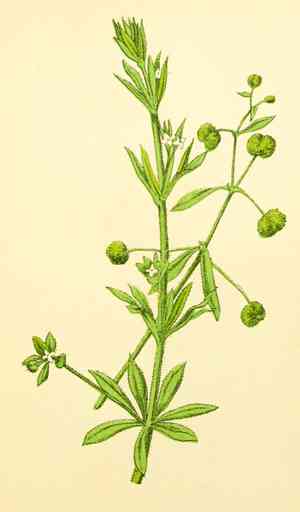
Bedstraws (Galium) (Galium)
Also known as: Bedstraw, Cleavers, Goosegrass
Bedstraws, a group of low-growing flowering plants, have been utilized by humans in various ways throughout history. The roots of some species were used to produce a red dye, while others contributed to the coloring of specific cheeses. True to their name, bedstraws were primarily employed as mattress stuffing, valued for their fragrance and insect-repelling qualities.
In This Article
Attributes of Bedstraws (Galium)
Lifespan
Annual, Biennial, Perennial
Plant Height
Varies widely; from a few centimeters to over a meter tall depending on the species.
Spread
Up to 1 meter wide in sprawling species.
Leaf Color
Green
Flower Size
1-3 mm
Flower Color
White, yellow, or greenish
Images of Bedstraws (Galium)
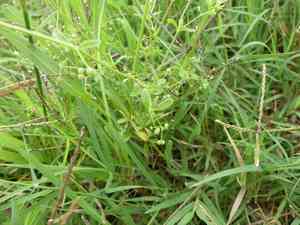
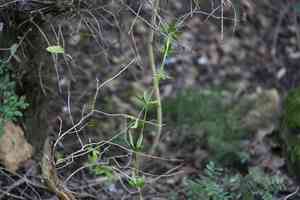
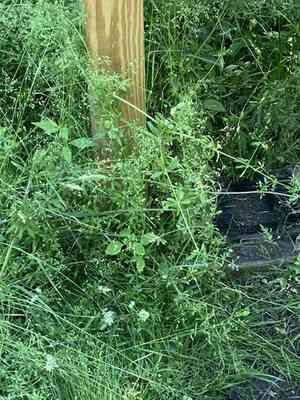
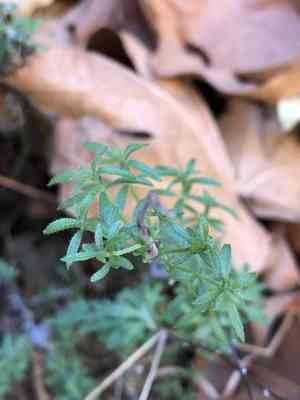
Quickly Identify Bedstraws (Galium)
1
Identifying Galium species often involves looking for their characteristic whorled leaves, square stems, and tiny, often white or greenish flowers arranged in clusters. The plants typically have hooked bristles on leaves and stems.
Scientific Classification of Bedstraws (Galium)
Phylum
Magnoliophyta
Class
Magnoliopsida
Order
Gentianales
Family
Rubiaceae
Genus
Galium
Planting and Growing of Bedstraws (Galium)
Care Difficulty
Moderate
Watering Schedule
Every 2 days
Sunlight Requirements
Partial sun
Sunshine Duration
4-8 hours
Ideal Temperature
59-77℉
Soil Type
Potting Mix, Peat Mix
Soil pH
6.5-8
Fertilizer Type
Balanced
Pruning Season
Spring, Summer
Pruning Area
Branches, Leaves
Pruning Frequency
2 times a year
Repotting Season
Spring
Pot Type
Plastic, Ceramic
 How to Water Bedstraws (Galium)?
For Galium, it's essential to maintain well-moist soil, but not waterlogged. The soil should feel slightly damp to touch, similar to a wrung-out sponge. Water until the top few inches are moist, which generally requires around 200 ml per session, allowing the excess to drain away. This amount ensures adequate hydration while preventing root rot.
What are the symptoms of an underwatered Bedstraws (Galium)?
›
What should I do if my Bedstraws (Galium) is not getting enough water?
›
What are the symptoms of an overwatered Bedstraws (Galium)?
›
How to save an overwatered Bedstraws (Galium)?
›
 What Are the Sunlight Requirements for Bedstraws (Galium)?
Galium prefers partial sun exposure. Ideal light promotes lush growth, optimal blooming, and robust health as it balances protection from direct heat with enough light for energy production.
What is the optimal lighting solution?
›
How can I ensure my Galium gets the ideal light?
›
What benefits will ideal lighting provide?
›
 What Is the Ideal Temperature Range for Bedstraws (Galium)?
The ideal temperature range for Galium growth is between 59°F and 77°F. This range ensures optimal metabolic functions and healthy growth. Temperatures within this range provide the necessary warmth without risking heat stress or cold damage.
 What Soil is Best for Bedstraws (Galium)?
Galium thrives in well-drained soil that prevents waterlogging. Ensuring proper drainage enhances root health, reduces the risk of root rot, and supports robust plant growth. Moderately nutrient-rich soil supports the consistent development of Galium. It benefits from soil that is not overly rich in nutrients, which encourages balanced growth without excessive foliage or weak stems. Galium can tolerate slightly alkaline conditions, making it ideal for calcareous soils. This pH range helps optimize nutrient uptake, ensuring healthier foliage and vibrant blooming.
 How to Fertilize Bedstraws (Galium)?
For Galium plants, a moderate amount of fertilizer is adequate. When using liquid fertilizers monthly, aim for a dilution ratio of 1:10, adding around 250-500 mL per plant depending on its size. For slow-release fertilizers, one teaspoon per plant is generally sufficient due to its longer-lasting effect.
 How to Prune Bedstraws (Galium)?
Always use clean and sterilized pruning tools to prevent the transmission of diseases. Dirty tools can introduce pathogens to your Galium, compromising its health and vitality. Prune your Galium during a dry spell to reduce the risk of fungal infections. Moisture can encourage fungal spores to develop on fresh cuts, which can be detrimental to the plant's health. While regular pruning is essential, avoid over-pruning as it can stress the plant. A stressed plant is more susceptible to diseases and may struggle to recover from heavy pruning.
 How to Propagate Bedstraws (Galium) plant?
1
Collect seeds from mature Galium plants in late summer. Gently shake or tap the plant to release the tiny seeds into a container. Ensure they are dry and store them in a cool, dark place until sowing.
2
Select non-flowering shoots for cuttings in early summer. Cut 4-6 inch lengths just below a node. Remove lower leaves to prevent rot and place the cuttings in water or a rooting hormone solution.
3
In early spring, divide larger Galium clumps using a spade. Carefully separate the roots, ensuring each division has some shoot growth. Replant them promptly in new locations, watering thoroughly.
 How to Repot Bedstraws (Galium) plant?
1
Keep an eye on your Galium plant for signs it's time to repot, like roots emerging from drainage holes or the plant outgrowing its container. These signals indicate the need for more space and fresh soil for optimal growth.
2
Select a pot that is one size larger than the current one; this ensures the plant has enough space to grow without overwhelming it. Make sure the pot has drainage holes to prevent waterlogging, which can be detrimental to the health of Galium.
3
Use a well-draining loamy mix, which retains adequate moisture but allows excess water to drain. This prevents root rot, provides essential nutrients, and supports the plant's growth while maintaining healthy aeration in the root zone.

