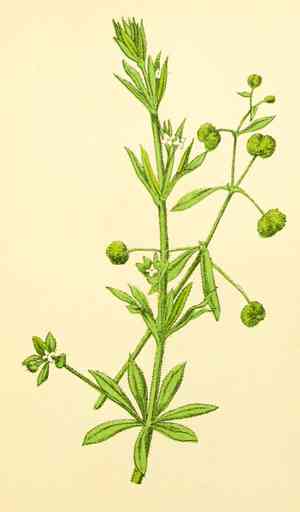
Wright's bedstraw (Galium wrightii)
Also known as: Wright's Bedstraw
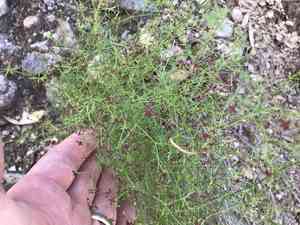
Wright's bedstraw (Galium wrightii) is a modest perennial herb characterized by its leaves arranged in whorls of four along the stem and its small, star-like white flowers that bloom in clusters. This plant is commonly found in the understory of pine-oak woodlands, where it benefits from a mix of sunlight and shade. It thrives in these environments, which offer well-drained soils and filtered light, essential for its balanced growth.
In This Article
Attributes of Wright's bedstraw
Lifespan
Perennial
Plant Height
30 to 60 cm
Spread
Not applicable
Leaf Color
Green
Flower Size
1 to 3 mm
Flower Color
White
Images of Wright's bedstraw
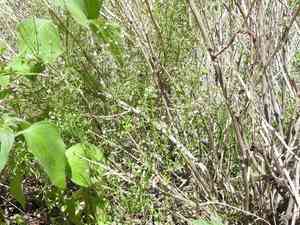
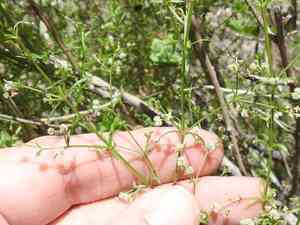
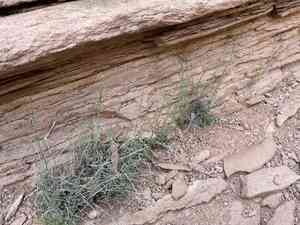
Quickly Identify Wright's bedstraw
1
Look for long, thin, square stems with whorled leaves. The tiny white flowers are arranged in clusters.
Scientific Classification of Wright's bedstraw
Phylum
Vascular plants
Class
Dicotyledons
Order
Gentianales
Family
Madder
Genus
Bedstraws
Species
Wright's bedstraw
Planting and Growing of Wright's bedstraw
Care Difficulty
Moderate
Watering Schedule
Every 2 days
Sunlight Requirements
Partial sun
Sunshine Duration
6-10 hours
Ideal Temperature
60-75℉
Soil Type
Potting Mix, Peat Mix
Soil pH
6.5-7.5
Fertilizer Type
Balanced
Pruning Season
Spring, Summer
Pruning Area
Branches, Leaves
Pruning Frequency
2 times a year
Repotting Season
Spring
Pot Type
Plastic, Ceramic
 How to Water Wright's bedstraw?
When watering Galium wrightii, ensure the soil is evenly moist but not soggy. Water until the top inch of soil feels damp. Use about 250 ml of water, enough to thoroughly moisten but allowing excess to drain away. This ensures roots receive enough moisture without drowning them, following the principle of deep watering yet allowing draining.
What are the symptoms of an underwatered Wright's bedstraw?
›
What should I do if my Wright's bedstraw is not getting enough water?
›
What are the symptoms of an overwatered Wright's bedstraw?
›
How to save an overwatered Wright's bedstraw?
›
 What Are the Sunlight Requirements for Wright's bedstraw?
Ideally, Galium wrightii thrives in partial sun conditions. It benefits from being exposed to filtered sunlight for about 4-6 hours a day. This balance fosters energy-efficient photosynthesis, resulting in lush growth and sustained flowering cycles.
Optimal Light Intensity
›
Best Placement
›
Seasonal Adjustments
›
 What Is the Ideal Temperature Range for Wright's bedstraw?
Galium wrightii thrives best in a temperature range of 60 to 75°F, where metabolic and photosynthesis processes are optimal. Maintaining this range supports healthy growth and flowering.
 What Soil is Best for Wright's bedstraw?
Galium wrightii thrives in well-drained soil that prevents waterlogging. Good drainage ensures the roots have access to sufficient oxygen and reduce the risk of root rot, which is critical for overall plant health. This plant prefers soil with moderate nutrient content. While it doesn't require overly rich soil, balanced nutrients support healthy growth and flowering, providing the necessary energy for robust development. Galium wrightii does best in soil with a pH between 6.5 and 7.5. This pH range allows optimal nutrient availability, which supports vibrant green leaves and healthy root systems.
 How to Fertilize Wright's bedstraw?
Galium wrightii requires a balanced approach to fertilization. Use a diluted liquid fertilizer at half the recommended strength. For solid fertilizers, a light application of slow-release granules works best. Ensure not to over-fertilize, as excessive nutrients can harm the plant.
 How to Prune Wright's bedstraw?
Begin by inspecting the plant for any dead or damaged stems, which should be removed first. Use clean, sharp shears to make clean cuts close to the base of the stems. Trim the plant just above a leaf node to encourage bushier growth and prevent leggy stems. If your Galium wrightii is growing too tall or unwieldy, reduce its height by cutting back the tallest stems. Aim for a balanced appearance by trimming stems in a way that maintains a natural, rounded shape. Avoid cutting more than one-third of the plant at a time.
More About Pruning Techniques→
 How to Propagate Wright's bedstraw plant?
1
Collect seeds from mature Galium wrightii plants during autumn after the seed heads have fully developed. Ensure the seeds are dry before storing them in a cool, dry place until planting.
2
Use a well-draining potting mix to fill your seed tray. Ensure the soil is lightly moistened but not waterlogged, as excess moisture can cause seeds to rot.
3
Select a healthy, disease-free stem of Galium wrightii. Make a clean cut just below a leaf node using pruning shears. Remove any flowers or large leaves to reduce water loss.
 How to Repot Wright's bedstraw plant?
1
Galium wrightii should be repotted when you notice roots emerging from the drainage holes or when the growth becomes stunted due to the lack of space. The best time to repot is during the growing season, especially in spring or autumn, as these seasons support recovery and growth.
2
Select a pot that is only slightly larger than the current one to prevent water retention and root rot. It should have ample drainage holes to ensure excess water can escape, preventing soggy soil conditions that can harm your plant. A breathable material like terracotta is optimal.
3
Opt for a well-draining potting mix suitable for herbaceous plants. This soil should retain necessary moisture but also allow for adequate air circulation around the roots. A mix including perlite or sand enhances the drainage efficiency, fostering a healthy root environment.
Learn More About Wright's bedstraw Diseases
Anthracnose
Bacterial Leaf Spot
Bacterial Wilt
Chemical Injury
Damping-off
Downy Mildew
Drought Stress
Fusarium Wilt
Gray Mold
Leaf Curl
Leaf Spot
Mosaic
Nutrient Deficiency
Nutrient Toxicity
Powdery Mildew
Root Rot
Root-knot Nematode
Rusts
Sooty Mold
Spider Mites
Temperature Stress
Thrips Damage
White Mold



