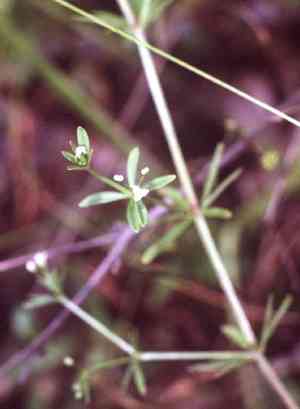
Northern three-lobed bedstraw (Galium trifidum)
Also known as: Small bedstraw
Northern three-lobed bedstraw (Galium triflorum) belongs to the coffee family and thrives in various habitats ranging from the arctic to subtropical regions. This plant features small, greenish-white flowers that, while not particularly showy, are notable for their three-petaled shape, aiding in identification. The flowers typically bloom in late spring to early summer.
In This Article
Attributes of Northern three-lobed bedstraw
Lifespan
Perennial
Plant Type
Herb, Vine
Plant Height
10 cm to 51 cm
Spread
N/A
Leaf Color
Green
Flower Size
2.5 cm
Flower Color
White
Images of Northern three-lobed bedstraw
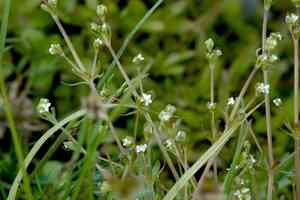
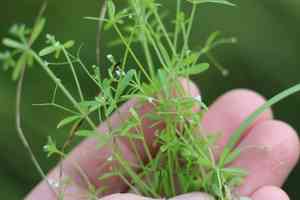
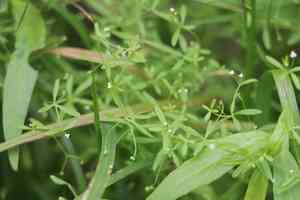
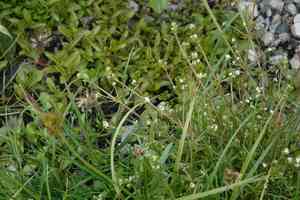
Quickly Identify Northern three-lobed bedstraw
1
Look for small, whorled leaves typically in groups of four, and small white flowers with four petals arranged in small clusters. The stems are slender and can be sprawling or climbing.
Scientific Classification of Northern three-lobed bedstraw
Phylum
Vascular plants
Class
Dicotyledons
Order
Gentianales
Family
Madder
Genus
Bedstraws
Species
Northern three-lobed bedstraw
Planting and Growing of Northern three-lobed bedstraw
Care Difficulty
Easy
Watering Schedule
Every 2 days
Sunlight Requirements
Partial sun
Sunshine Duration
6-10 hours
Ideal Temperature
60-75℉
Soil Type
Potting Mix, Peat Mix
Soil pH
6.5-7.5
Fertilizer Type
Balanced
Pruning Season
Spring, Summer
Pruning Area
Branches, Leaves
Pruning Frequency
2 times a year
Repotting Season
Spring
Pot Type
Ceramic, Plastic
 How to Water Northern three-lobed bedstraw?
Galium trifidum prefers consistently moist soil, but not waterlogged. When watering, aim to provide around 150ml of water per session, ensuring that the soil is evenly soaked but allowing excess water to drain away. This plant thrives with just enough moisture to keep the soil slightly damp between watering sessions.
What are the symptoms of an underwatered Northern three-lobed bedstraw?
›
What should I do if my Northern three-lobed bedstraw is not getting enough water?
›
What are the symptoms of an overwatered Northern three-lobed bedstraw?
›
How to save an overwatered Northern three-lobed bedstraw?
›
 What Are the Sunlight Requirements for Northern three-lobed bedstraw?
Galium trifidum flourishes best in partial sunlight or dappled shade, similar to a woodland understory. This lighting maintains healthy foliage and promotes natural growth patterns and flowering.
What is the best lighting condition for Galium trifidum?
›
How can you achieve optimal lighting for this plant?
›
What benefits does optimal lighting provide?
›
 What Is the Ideal Temperature Range for Northern three-lobed bedstraw?
Galium trifidum thrives best in a temperature range between 60 and 75°F. This range helps maintain the plant's metabolic processes, ensuring effective photosynthesis and nutrient absorption. If conditions remain within this window, the plant will display robust growth and vibrant foliage.
 What Soil is Best for Northern three-lobed bedstraw?
Galium trifidum thrives in soil with good drainage. Ensuring water quickly percolates through the soil prevents root rot and maintains healthy growth by keeping the roots aerated. While not too demanding, this plant benefits from moderately fertile soil. Providing essential nutrients supports its growth, leading to lush foliage and more abundant flowering. This plant prefers consistently moist soil conditions. Maintaining soil moisture without waterlogging enhances its vitality and ensures sustained bloom periods.
 How to Fertilize Northern three-lobed bedstraw?
When fertilizing Galium trifidum, use a diluted liquid fertilizer at half strength. It's sensitive to over-fertilization, so a small amount goes a long way. Typically, an 8-8-8 NPK diluted into a quarter of the recommended label rate is ideal for each feeding session.
 How to Prune Northern three-lobed bedstraw?
When pruning Galium trifidum, focus on removing dead or damaged stems to promote healthier growth. Use clean, sharp pruning shears to prevent disease transmission. Trim back leggy or overgrown sections to encourage a more bushy appearance. This will also help in controlling its spread, as this plant can become invasive if left unchecked.
More About Pruning Techniques→
 How to Propagate Northern three-lobed bedstraw plant?
1
Collect Galium trifidum seeds from healthy plants. Clean and dry the seeds completely, ensuring there is no moisture, which can cause mold during storage.
2
Sow the seeds in a seed tray filled with a well-draining potting mix. Cover lightly with soil without burying them too deep. Keep the soil consistently moist.
3
Carefully dig up a mature Galium trifidum plant. Use a garden fork to separate the roots into several sections, each with healthy shoots and roots, for division planting.
 How to Repot Northern three-lobed bedstraw plant?
1
Galium trifidum should be repotted when you notice its roots are circling the bottom of the pot or growing out of the drainage holes. This signals that the plant has outgrown its container and needs more space to thrive. You may also want to repot if the soil appears to be compacted or doesn't retain moisture well.
2
Select a pot with sufficient drainage holes to prevent waterlogging, which can cause root rot for Galium trifidum. The new pot should be one size larger than the current one, allowing space for root growth without overwhelming the plant. This balance is key to healthy growth and aesthetic appeal.
3
The soil for Galium trifidum should be loamy and well-drained, providing a balance of moisture retention and drainage. Well-draining soil prevents standing water and root rot, while loamy texture retains enough moisture for the roots to absorb nutrients adequately.
Learn More About Northern three-lobed bedstraw Diseases
Anthracnose
Bacterial Leaf Spot
Bacterial Soft Rot
Chemical Injury
Damping-off
Downy Mildew
Drought Stress
Fusarium Wilt
Gray Mold
Leaf Spot
Mosaic
Nutrient Deficiency
Nutrient Toxicity
Powdery Mildew
Root Rot
Root-knot Nematode
Rusts
Sooty Mold
Spider Mites
Temperature Stress
Thrips Damage
White Mold



