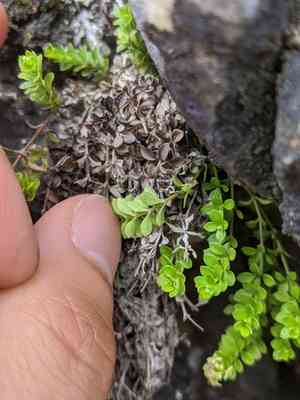
Galium tarokoense (Galium tarokoense)
Also known as: Taroko bedstraw
Galium tarokoense is a perennial herb thriving in the moist, shady conditions of the Taroko Gorge. Recognizable by its whorled leaves and delicate, white to pale-yellow flowers, galium tarokoense blooms chiefly in spring. Its slender stems and lance-shaped foliage adapt it well to the understory environment it favors, allowing efficient use of limited sunlight.
In This Article
Attributes of Galium tarokoense
Lifespan
Perennial
Plant Type
Herb
Plant Height
30-70 cm
Spread
Not applicable for this plant type
Leaf Color
Green
Flower Size
1-2 mm
Flower Color
White
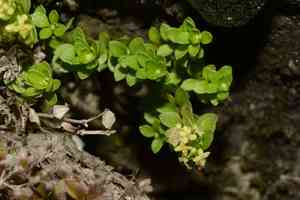
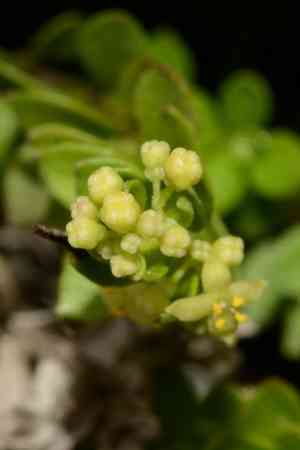
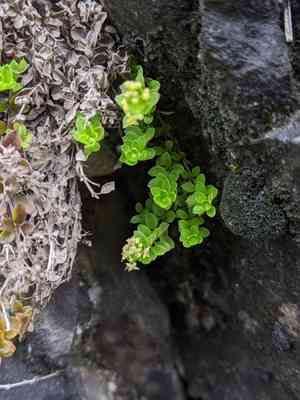
Images of Galium tarokoense
Quickly Identify Galium tarokoense
1
Galium tarokoense can be identified by its small, star-shaped white flowers which are typically clustered together. The leaves are arranged in whorls along the stems, which are thin and can be quite tall.
Scientific Classification of Galium tarokoense
Phylum
Vascular plants
Class
Dicotyledons
Order
Gentianales
Family
Madder
Genus
Bedstraws
Species
Galium tarokoense
Planting and Growing of Galium tarokoense
Care Difficulty
Hard
Watering Schedule
Every 2 days
Sunlight Requirements
Partial sun
Sunshine Duration
6-10 hours
Ideal Temperature
60-75℉
Soil Type
Potting Mix, Peat Mix
Soil pH
6.5-7.5
Fertilizer Type
Balanced
Pruning Season
Spring, Summer
Pruning Area
Branches, Leaves
Pruning Frequency
2 times a year
Repotting Season
Spring
Pot Type
Plastic, Ceramic
 How to Water Galium tarokoense?
For Galium tarokoense, water it thoroughly each time until the soil is evenly moist, but not soggy. Aim for around 150ml of water, depending on the pot size and substrate. The goal is to maintain consistent moisture without causing waterlogging.
What are the symptoms of an underwatered Galium tarokoense?
›
What should I do if my Galium tarokoense is not getting enough water?
›
What are the symptoms of an overwatered Galium tarokoense?
›
How to save an overwatered Galium tarokoense?
›
 What Are the Sunlight Requirements for Galium tarokoense?
Galium tarokoense prefers partial sun conditions, which means about 4-6 hours of dappled sunlight. This balance ensures robust health, promoting strong, bushy growth and vibrant blooms throughout the growing season.
How much sunlight does Galium tarokoense need?
›
What solutions are there to ensure the right light level?
›
Why is ideal lighting important for Galium tarokoense?
›
 What Is the Ideal Temperature Range for Galium tarokoense?
The ideal temperature range for growing Galium tarokoense is between 60°F and 75°F. This range supports optimal growth and overall health, providing a balance between heat and coolness that the plant requires for its metabolic processes. Keeping the plant within this temperature interval ensures robust foliage and maximizes blooming potential, giving you a healthy and aesthetically pleasing plant.
 What Soil is Best for Galium tarokoense?
Galium tarokoense thrives in well-draining soils, which prevents waterlogging and root rot. Well-draining conditions ensure that the roots receive adequate oxygen, promoting healthy growth in this species. A nutrient-rich soil supports the robust development of Galium tarokoense, providing essential nutrients such as nitrogen, phosphorus, and potassium. This facilitates lush foliage and a vibrant growth cycle. The soil should retain a moderate amount of moisture, ensuring that the plant stays hydrated without being waterlogged, which is critical during its active growing phases.
 How to Fertilize Galium tarokoense?
For Galium tarokoense, the amount of fertilizer should be moderate. Use about half the recommended strength of a general-purpose liquid fertilizer. Always ensure the soil is moist before applying to avoid root burn.
 How to Prune Galium tarokoense?
First, carefully inspect your Galium tarokoense for any dead or damaged stems. Remove these by cutting close to the base of the plant to promote healthier new growth. After removing any dead material, focus on shaping the plant by trimming back to a healthy leaf pair. This will guide the plant to grow in your desired shape and maintain a neat appearance. To encourage a second wave of blooms, lightly prune back the plant after the first round of flowering. This helps channel energy into forming new buds, resulting in more vibrant blooms.
More About Pruning Techniques→
 How to Propagate Galium tarokoense plant?
1
Use a well-draining soil mix for both seeds and cuttings. A mixture of peat and perlite can be beneficial to provide proper aeration and moisture retention.
2
Disperse seeds evenly over the soil surface and cover lightly. Water gently to avoid displacing seeds, ensuring they stay embedded within the medium.
3
Select healthy mother plants and cut a 4-to-6-inch segment. Remove lower leaves and dip the cut end in rooting hormone to enhance root development.
 How to Repot Galium tarokoense plant?
1
Repotting is needed when you notice roots emerging from the drainage holes, or if the plant looks cramped in its pot. Additionally, if water sits on the surface too long without draining, it might be another sign. The best time would be during its growing season, either spring or autumn, when the plant can recover quickly.
2
Choosing the right pot involves ensuring it has adequate drainage holes to avoid waterlogging. A pot only slightly larger than the current one encourages healthy root growth without overwhelming the plant. Opting for materials like terracotta can help better soil aeration and moisture control.
3
A well-draining soil mix is essential for Galium tarokoense to prevent root rot and improve aeration. Including organic components such as peat or perlite helps in moisture retention yet avoids compaction, ensuring optimal growth conditions and stability for the plant in its new home.
Learn More About Galium tarokoense Diseases
Anthracnose
Bacterial Leaf Spot
Bacterial Soft Rot
Bacterial Wilt
Crown Gall
Cyst Nematode
Damping-off
Downy Mildew
Drought Stress
Fusarium Wilt
Gray Mold
Leaf Spot
Mosaic
Nutrient Deficiency
Nutrient Toxicity
Powdery Mildew
Root Rot
Root-knot Nematode
Rusts
Sooty Mold
Spider Mites
Temperature Stress
Thrips Damage
White Mold
Chemical Injury



