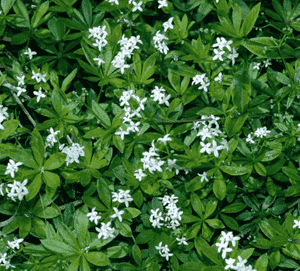
Sweet woodruff (Galium odoratum)
Also known as: Wild baby's breath
Sweet woodruff (Galium odoratum) is a perennial herb reaching heights of 15 to 30 cm. Known for its aromatic leaves and delicate, star-shaped flowers that bloom in spring and early summer, it flourishes in shaded environments. Ideal as ground cover beneath trees, it thrives in moist, well-drained soil rich in organic matter. Consistent moisture is key, but avoid waterlogged conditions.
In This Article
Attributes of Sweet woodruff
Lifespan
Perennial, Annual
Plant Type
Herb
Plant Height
30 cm to 50 cm
Spread
30 cm
Leaf Color
Green
Flower Size
4 mm to 7 mm
Flower Color
White
Images of Sweet woodruff
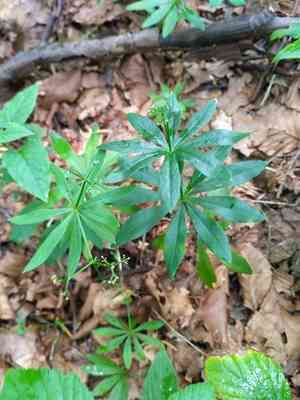
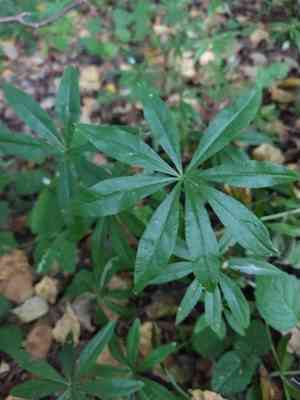
Quickly Identify Sweet woodruff
1
White star-shaped flowers in loose clusters, 0.2 inches (5 mm) wide, emit a sweet fragrance.
2
Distinctive twin-lobed schizocarp fruit, <0.16 inches (4 mm), covered in hooked bristles.
3
Linear to lanceolate green leaves in whorls, 3/4-2 inches (2-5 cm), emit aromatic scent when crushed.
4
Thin, weak green stems, 1/8 inch (3 mm) diameter, sprawling and climbing habit with flexible stems.
5
Robust herbaceous perennial, 6-12 inches (15-30 cm) height, spreading up to 2 feet (60 cm) wide.
Scientific Classification of Sweet woodruff
Phylum
Vascular plants
Class
Dicotyledons
Order
Gentianales
Family
Madder
Genus
Bedstraws
Species
Sweet woodruff
Planting and Growing of Sweet woodruff
Care Difficulty
Easy
Watering Schedule
Every 3 days
Sunlight Requirements
Partial sun
Sunshine Duration
4-6 hours
Ideal Temperature
60-70℉
Soil Type
Potting Mix, Peat Mix
Soil pH
6.5-7.5
Fertilizer Type
Balanced
Pruning Season
Spring, Summer
Pruning Area
Branches, Leaves
Pruning Frequency
2 times a year
Repotting Season
Spring
Pot Type
Plastic, Ceramic
 How to Water Sweet woodruff?
For Galium odoratum, aim to water with about 200 ml per session. The soil should be kept moist but not soggy. Water until the top inch of soil feels damp; avoid letting the plant sit in waterlogged soil as this can lead to root issues.
What are the symptoms of an underwatered Sweet woodruff?
›
What should I do if my Sweet woodruff is not getting enough water?
›
What are the symptoms of an overwatered Sweet woodruff?
›
How to save an overwatered Sweet woodruff?
›
 What Are the Sunlight Requirements for Sweet woodruff?
Partially shaded conditions offer the best environment for Galium odoratum, allowing it to develop its characteristic sweet fragrance and maintain healthy growth patterns.
What is the ideal lighting condition for Galium odoratum?
›
How can I achieve ideal lighting for this plant?
›
What benefits does ideal lighting offer to Galium odoratum?
›
 What Is the Ideal Temperature Range for Sweet woodruff?
Galium odoratum thrives best within an ideal temperature range of 60°F to 70°F. This range allows for optimal metabolic processes and encourages healthy growth and development of the plant. Maintaining this range helps ensure that the plant receives sufficient warmth to foster its aromatic properties and robust form.
 What Soil is Best for Sweet woodruff?
Galium odoratum thrives in well-drained soils that prevent waterlogging. Well-drained soils allow air to circulate through the root system, minimizing the risk of root rot and promoting healthy growth. Ensuring the soil retains some moisture is important for Galium odoratum. This plant prefers not to dry out completely, so soils that can hold moisture while draining excess water are ideal, ensuring a consistent supply of water. Soils rich in organic matter provide necessary nutrients and improve soil structure. The breakdown of organic material enhances nutrient availability for Galium odoratum, resulting in lush and healthy foliage.
 How to Fertilize Sweet woodruff?
When feeding Galium odoratum, use a balanced, water-soluble fertilizer diluted to half its strength. For liquid fertilizers, approximately 1/4 cup (about 60 milliliters) per plant will suffice. For granular options, distribute about a tablespoon around the base, careful not to touch the stems.
 How to Prune Sweet woodruff?
Begin by examining your Galium odoratum for any damaged, dead, or diseased stems. These should be your first target as they can hinder growth and spread infections. After cleaning out the unhealthy portions, trim back overly long shoots to maintain the desired shape and promote bushy growth. Cut back the stems at an angle just above a pair of healthy leaves. This technique encourages side shoots to emerge, resulting in a fuller appearance. During summer, pinching back the tips can also help in keeping the plant compact and lush.
 How to Propagate Sweet woodruff plant?
1
Collect seeds as the flowers fade and begin to form seed heads. Ensure they are fully mature before storing them in a cool, dry place to prevent mold.
2
Choose healthy, non-flowering shoots and make a clean cut below a node using sharp shears. Remove the lower leaves, leaving a few at the top.
3
In early spring, divide the roots into smaller sections. Make sure each section has at least one healthy shoot and adequate roots for successful growth.
 How to Repot Sweet woodruff plant?
1
You should consider repotting your Galium odoratum when you notice its roots are circling inside the pot, or emerging from the pot's drainage holes, indicating it has outgrown its current space. Additionally, if the plant's growth seems stunted or the soil becomes compacted and hard to water, these are telltale signs that repotting is necessary to provide fresh nutrients and more room for root expansion, ensuring healthy growth.
2
Select a pot that is 1-2 inches wider in diameter than the current pot. This gives the roots ample space to grow without feeling too cramped or too loose. Opt for pots with adequate drainage holes to prevent waterlogging, which helps to avoid root rot. A slightly heavier pot is advantageous for outdoor placements to provide stability during windy conditions.
3
Choose a moist, well-draining soil mix, enriched with organic matter to ensure nutrient availability. A good mix should allow water to drain easily while retaining enough moisture to keep the roots hydrated. This promotes root health by preventing waterlogging and supports lush, vibrant growth through balanced nourishment.
Toxicity
Ingestion
WARNING
The judgment on toxicity and danger is for reference only. We DO NOT GUARANTEE any accuracy of such judgment. Therefore, you SHALL NOT rely on such judgment. It is IMPORTANT TO SEEK PROFESSIONAL ADVICE in advance when necessary.



