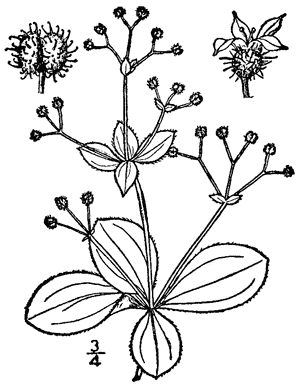
Boreal bedstraw (Galium kamtschaticum)
Also known as: Northern Bedstraw, Kamchatka Bedstraw
Boreal bedstraw (Galium boreale) is a perennial herb known for its square stems and small, white, four-petaled flowers. The plant's leaves are narrow, lance-shaped, and arranged in whorls of four around the stem. It flourishes in cooler climates, often found in regions like Kamchatka. Boreal bedstraw typically forms dense clusters with its sprawling stems, helping it spread and retain warmth. Its natural habitat includes moist, well-drained soils in open woods, meadows, and riverbanks, where it receives full to partial sunlight.
In This Article
Attributes of Boreal bedstraw
Lifespan
Perennial
Plant Type
Herb
Plant Height
10-30 cm (4-12 inches)
Spread
N/A
Leaf Color
Green
Flower Size
2-3 mm
Flower Color
White Pink
Images of Boreal bedstraw
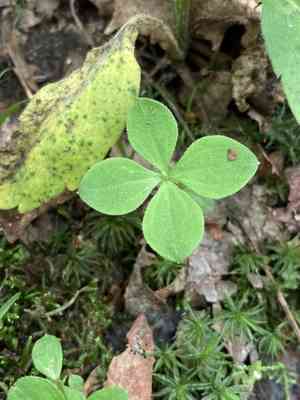
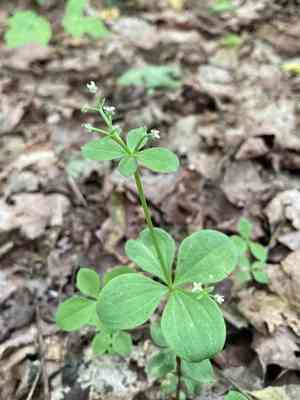
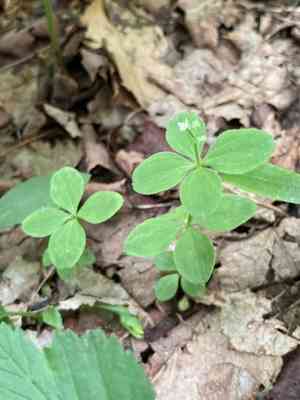
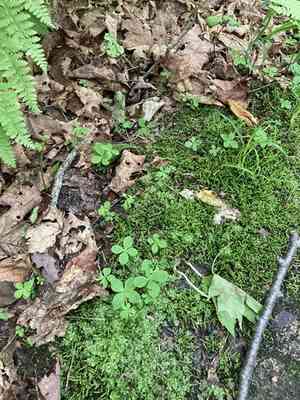
Quickly Identify Boreal bedstraw
1
Look for whorled leaves and small white flowers. The plant typically has square stems and rough leaves on the upper surface.
Scientific Classification of Boreal bedstraw
Phylum
Vascular plants
Class
Dicotyledons
Order
Gentianales
Family
Madder
Genus
Bedstraws
Species
Boreal bedstraw
Planting and Growing of Boreal bedstraw
Care Difficulty
Easy
Watering Schedule
Every 3 days
Sunlight Requirements
Partial sun
Sunshine Duration
6-10 hours
Ideal Temperature
50-68℉
Soil Type
Potting Mix, Peat Mix
Soil pH
6.5-7.5
Fertilizer Type
Balanced
Pruning Season
Spring, Summer
Pruning Area
Branches, Leaves
Pruning Frequency
2 times a year
Repotting Season
Spring
Pot Type
Plastic, Ceramic
 How to Water Boreal bedstraw?
The Galium kamtschaticum thrives best when watered with approximately 200 milliliters of water per session. Ensure that the soil is adequately moist, but not waterlogged. This plant prefers a balanced watering approach that mimics the natural rainfall pattern in its native habitat.
What are the symptoms of an underwatered Boreal bedstraw?
›
What should I do if my Boreal bedstraw is not getting enough water?
›
What are the symptoms of an overwatered Boreal bedstraw?
›
How to save an overwatered Boreal bedstraw?
›
 What Are the Sunlight Requirements for Boreal bedstraw?
Ideal light conditions involve partial sun to full shade exposure, allowing for efficient photosynthesis without the risk of scorching. This optimizes health and growth.
What is the ideal sunlight amount?
›
How can I provide this light?
›
What benefits does the right light provide?
›
 What Is the Ideal Temperature Range for Boreal bedstraw?
The ideal temperature range for growing Galium kamtschaticum is between 50°F and 68°F. These conditions allow the plant to maintain its photosynthetic efficiency and ensures optimal growth potential. This range typically mimics the temperate and cool conditions it is naturally adapted to.
 What Soil is Best for Boreal bedstraw?
Galium kamtschaticum thrives in well-draining soils, which allow water to pass through easily. This prevents waterlogging and root rot, ensuring the roots receive enough oxygen for optimal growth. While good drainage is essential, the soil should also retain some moisture to keep roots hydrated. Sandy loam provides the perfect balance, aiding healthy foliage development and vibrant blooms. Enriched soil with organic matter like compost boosts nutrient availability. This supports the plant's growth by providing essential nutrients, improving the soil structure and enhancing microbial activity.
 How to Fertilize Boreal bedstraw?
Galium kamtschaticum benefits from a light fertilization approach. Too much fertilizer can harm the plant, so it’s important to start with a small amount, such as a quarter of the recommended dose for similar perennials. Gradually adjust as needed based on the plant's response.
 How to Prune Boreal bedstraw?
Begin by removing any dead or diseased stems, cutting them back to healthy wood or the base of the plant. This prevents the spread of disease and promotes vigorous new growth. Carefully shape the plant by trimming away any unruly or overgrown branches. Aim for a compact and balanced appearance, enhancing the plant's natural habit while allowing light to reach all parts. Remove any unwanted basal shoots or suckers developing from the base. These can consume valuable resources that should be directed toward healthier growth elsewhere in the plant.
More About Pruning Techniques→
 How to Propagate Boreal bedstraw plant?
1
Start by filling a seed tray with sterile seed-starting mix. Sow the seeds evenly and cover them with a thin layer of the mix. Mist lightly and place the tray in a warm area with indirect sunlight. Keep the soil moist until the seeds germinate.
2
Carefully dig up an established plant with a garden spade. Gently shake off excess soil and use the spade or a knife to divide the root mass into smaller sections, ensuring each section has healthy roots and shoots. Replant the divisions immediately in prepared soil.
3
Once seedlings have grown their second set of true leaves, they are ready to be transplanted. Gently remove them from the seed tray and plant them in individual pots or directly into the garden, ensuring they are planted at the same depth as in the tray.
 How to Repot Boreal bedstraw plant?
1
Observe for signs like roots coming out of the pot's drainage holes or a noticeable slowing in growth. Galium kamtschaticum signals its need for more space in the spring or summer when new growth is evident and facilitates recovery after repotting.
2
Opt for a pot slightly larger than the current one, made from breathable materials like clay. This prevents root rot by ensuring proper drainage and airflow, crucial for the delicate root system of Galium kamtschaticum.
3
Use a well-drained acidic mix to mimic the plant's natural habitat. This composition supports proper nutrient absorption and prevents long-term issues like root rot or nutrient deficiency.



