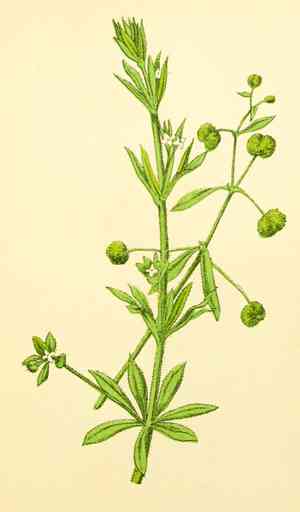
Waxy bedstraw (Galium glaucum)
Also known as: Glaucous bedstraw
Galium glaucum, commonly known as waxy bedstraw, belongs to the Rubiaceae family. It is indigenous to central Europe, spanning from Portugal to Ukraine. Additionally, it has been sporadically naturalized in select areas of North America, including Quebec, Ontario, Connecticut, and New Jersey.
In This Article
Attributes of Waxy bedstraw
Lifespan
Perennial
Plant Type
Herb
Plant Height
30-60 cm
Spread
N/A
Leaf Color
Bluish-green
Flower Size
0.2-0.4 cm
Flower Color
White to greenish
Images of Waxy bedstraw
Quickly Identify Waxy bedstraw
1
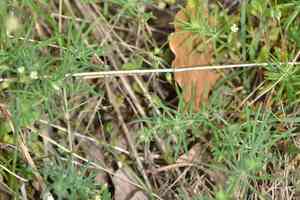
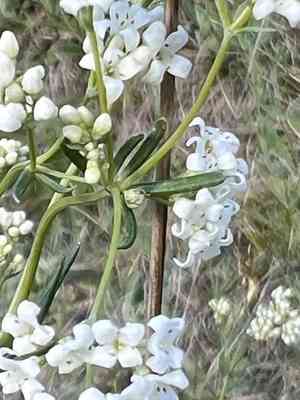
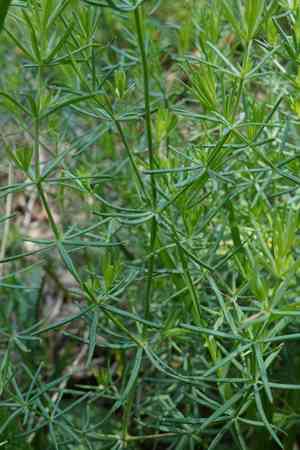
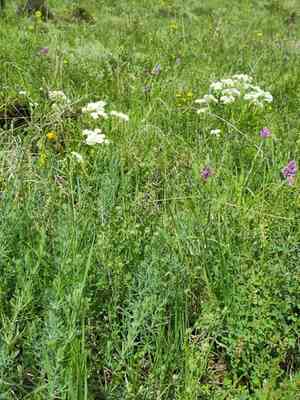
Galium glaucum can be identified by its glaucous (bluish-green) stems and leaves, whorled leaves that are usually in sets of four, and small, white to greenish flowers which are clustered together.
Scientific Classification of Waxy bedstraw
Phylum
Vascular plants
Class
Dicotyledons
Order
Gentianales
Family
Madder
Genus
Bedstraws
Species
Waxy bedstraw
Planting and Growing of Waxy bedstraw
Care Difficulty
Easy
Watering Schedule
Every 2 days
Sunlight Requirements
Partial sun
Sunshine Duration
6-10 hours
Ideal Temperature
60-75℉
Soil Type
Potting Mix, Peat Mix
Soil pH
6.5-7.5
Fertilizer Type
Balanced
Pruning Season
Spring, Summer
Pruning Area
Branches, Leaves
Pruning Frequency
2 times a year
Repotting Season
Spring
Pot Type
Plastic, Ceramic
 How to Water Waxy bedstraw?
For Galium glaucum, the watering should be moderate, aiming for about 150 milliliters each time, enough to moisten the soil without leaving it soggy. The key is to water until the water starts to drain from the bottom of the pot, indicating the soil is adequately hydrated.
What are the symptoms of an underwatered Waxy bedstraw?
›
What should I do if my Waxy bedstraw is not getting enough water?
›
What are the symptoms of an overwatered Waxy bedstraw?
›
How to save an overwatered Waxy bedstraw?
›
 What Are the Sunlight Requirements for Waxy bedstraw?
Galium glaucum prefers partial sun to achieve its best growth. Ideal lighting encourages lush leaf development and frequent flowering, enhancing the overall aesthetic and health of the plant.
What is the optimal lighting for Galium glaucum?
›
How to ensure Galium glaucum gets its ideal light?
›
Benefits of ideal lighting for Galium glaucum
›
 What Is the Ideal Temperature Range for Waxy bedstraw?
The plant Galium glaucum thrives best within a temperature range of 60°F to 75°F. This range ensures optimal metabolic functions, growth, and photosynthesis, maximizing its health. Temperatures below this range can slow down its physiological processes, while those above can stress the plant, potentially leading to reduced vigor. Maintaining this temperature range thus supports sustained and robust plant health.
 What Soil is Best for Waxy bedstraw?
Galium glaucum thrives best in well-draining soil as it prevents waterlogging, which can lead to root rot. Ensuring good drainage helps the plant absorb adequate nutrients and maintain healthy growth, especially during the rainy seasons. This plant prefers soil with moderate fertility, which supports steady growth without overwhelming the plant. Balanced nutrients in the soil promote flowering and foliage development, ensuring Galium glaucum remains lush and vibrant. The plant favors neutral to slightly alkaline soil, between 6.5 and 7.5 pH. This pH range enhances nutrient availability and boosts microbial activity in the soil, crucial for the plant’s overall health.
 How to Fertilize Waxy bedstraw?
For Galium glaucum, it's crucial to start with a balanced fertilizer, using approximately half the recommended concentration indicated on the package. It's recommended to apply small amounts to prevent nutrient burn while ensuring the plant remains healthy and vigorous.
 How to Prune Waxy bedstraw?
Use a pair of sharp, sterilized pruning shears to make clean cuts. This reduces the risk of infection and ensures the plant can heal quickly, promoting healthy growth. Make cuts just above a leaf node or bud. This encourages branching from that point, keeping the plant bushy and preventing it from becoming sparse over time.
More About Pruning Techniques→
 How to Propagate Waxy bedstraw plant?
1
To propagate from seeds, begin by filling a seed tray with a well-draining potting mix. Sow the seeds on the surface and cover them lightly with soil. Maintain consistent moisture and place the tray in a warm location with indirect light.
2
Select healthy stems and use sterilized pruning shears to take 4-6 inch cuttings. Remove the lower leaves to expose nodes. Optional hormone rooting powder can be applied to enhance rooting success. Plant cuttings in a mix of peat and perlite, ensuring they remain moist.
3
To divide Galium glaucum, gently lift the mature plant from the soil. Carefully separate the roots into smaller sections, ensuring each division has ample roots. Replant each section at the same depth they were previously grown, in a well-draining soil mix.
 How to Repot Waxy bedstraw plant?
1
The best time to repot Galium glaucum is when you notice its roots filling the pot, or when water isn't draining well, indicating root-bound conditions. Signs include stunted growth and roots emerging from drainage holes. While repotting, choose cooler months like spring or autumn to minimize stress on the plant.
2
Select a pot that is only slightly larger than the current one, as Galium glaucum prefers snug conditions. Ensure the pot has adequate drainage holes to prevent waterlogging, which can lead to root rot. A slightly heavier pot can provide stability as this plant tends to form mat-like growth.
3
Opt for well-draining, sandy loam soil with moderate organic matter, as this mimics its natural habitat. This soil type ensures proper aeration and moisture retention without over-saturating the roots. Adding perlite or coarse sand can improve drainage, promoting healthier root development.
Learn More About Waxy bedstraw Diseases
Anthracnose
Bacterial Leaf Spot
Black Spot
Chemical Injury
Crown Gall
Cyst Nematode
Damping-off
Downy Mildew
Drought Stress
Fusarium Wilt
Gray Mold
Leaf Curl
Leaf Spot
Mosaic
Nutrient Deficiency
Nutrient Toxicity
Powdery Mildew
Root Rot
Root-knot Nematode
Rusts
Sooty Mold
Spider Mites
Temperature Stress
Thrips Damage
White Mold



