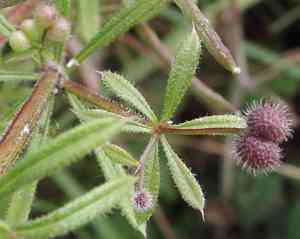
Cleavers (Galium aparine)
Also known as: Clivers, Sticky Weed, Sticky Willow, Grip Grass, Robin-run-the-hedge, Gooseweed
Cleavers (Galium aparine) are common weeds found globally. They are characterized by tiny, hook-like hairs on their stems and leaves, which give them a sticky texture and can sometimes cause skin irritation. Belonging to the Rubiaceae family, which also includes coffee, cleavers can be used to make a mild coffee substitute due to their lower caffeine content.
In This Article
Attributes of Cleavers
Lifespan
Annual, Biennial
Plant Type
Herb
Plant Height
20 cm to 2 m
Spread
1 m
Leaf Color
Green
Flower Size
1.5 mm to 2 mm
Flower Color
White
Images of Cleavers
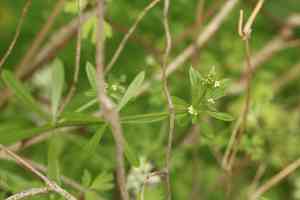
Quickly Identify Cleavers
1
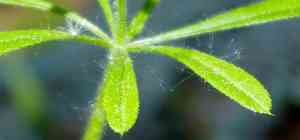
Weak stems climb up to 4 feet (1.2 meters) with square cross-section and hooked bristles.
2
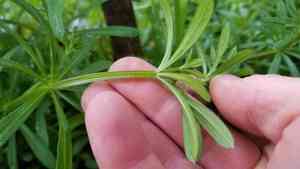
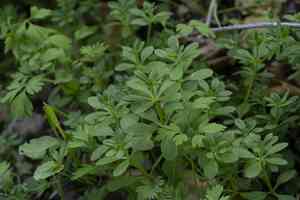
Leaves in whorls of 6-8, narrow, lance-shaped, 1-3 inches (2.5-7.6 cm) long, with recurved hairs.
3
Tiny, star-shaped flowers, 2-3 mm (0.08-0.12 inches) diameter, light green to white.
4
Fruit splits into 2 hook-covered halves, green to brown schizocarp, aiding seed dispersal.
5
Stems scratchy with recurved prickles, weak, four-sided, up to 3 feet (90 cm) long.
Scientific Classification of Cleavers
Phylum
Vascular plants
Class
Dicotyledons
Order
Gentianales
Family
Madder
Genus
Bedstraws
Species
Cleavers
Planting and Growing of Cleavers
Care Difficulty
Easy
Watering Schedule
Every 3 days
Sunlight Requirements
Partial sun
Sunshine Duration
6-10 hours
Ideal Temperature
55-77℉
Soil Type
Potting Mix, Peat Mix
Soil pH
5.5-8
Fertilizer Type
Balanced
Pruning Season
Spring, Summer
Pruning Area
Branches, Leaves
Pruning Frequency
2 times a year
Repotting Season
Spring
Pot Type
Plastic, Ceramic
 How to Water Cleavers?
When watering Galium aparine, ensure the soil is evenly moist but not waterlogged. Ideally, about 200 ml per watering is sufficient. The goal is to allow moisture to penetrate deep enough to reach the root zone while avoiding oversaturation, which can lead to root rot.
What are the symptoms of an underwatered Cleavers?
›
What should I do if my Cleavers is not getting enough water?
›
What are the symptoms of an overwatered Cleavers?
›
How to save an overwatered Cleavers?
›
 What Are the Sunlight Requirements for Cleavers?
Partial sun or full shade is ideal for Galium aparine. This range allows the plant to maximize photosynthesis without risk of burning, ensuring lush growth and vibrant foliage essential for healthy development.
What type of lighting is best?
›
How can I achieve ideal light?
›
What benefits does ideal lighting provide?
›
 What Is the Ideal Temperature Range for Cleavers?
Galium aparine, commonly known as cleavers, thrives best at temperatures between 55°F and 77°F. This range ensures optimal enzymatic activities and photosynthesis processes, promoting healthy growth and development. Maintaining this temperature allows the plant to exhibit its full vitality and maximize its biological functions efficiently.
 What Soil is Best for Cleavers?
Galium aparine thrives in nutrient-rich soils that provide ample nutrition for vigorous growth. A well-fertilized soil ensures robust foliage and maximizes its potential to spread, which can be particularly beneficial for those using it for ground cover. Good drainage is crucial to prevent waterlogging, which can lead to root rot. Well-draining soil helps maintain a healthy root system, encouraging strong and resilient plant growth. While Galium aparine can tolerate dry spells, moderately moist conditions promote optimal growth. Consistent moisture availability ensures the plant remains lush and maintains its vibrant green color.
 How to Fertilize Cleavers?
Galium aparine requires moderate fertilization, thriving well with balanced nutrients. Use approximately 50 ml of liquid fertilizer per liter of water, ensuring a balanced NPK ratio of 10-10-10, to maintain its growth without overwhelming sensitive roots.
 How to Prune Cleavers?
Look for stems that are excessively long or growing in unwanted directions. Cut these stems back to the base to help manage the plant's spread and encourage denser growth. Inspect the plant for any dead, damaged, or diseased parts. Cutting back these areas not only improves the look of the plant but also enhances air circulation, reducing the chance of mold and mildew. Trim the plant to maintain a pleasing shape. Although Galium aparine can have a wild look, careful shaping ensures it remains attractive and doesn't overwhelm nearby plants.
 How to Propagate Cleavers plant?
1
Collect seeds from mature Galium aparine plants at the end of their growing season, ensuring they are fully ripened. It is important to carefully gather the seeds to prevent damage and ensure viability for propagation.
2
Prepare a seed tray with a suitable medium, preferably a light and well-draining potting mix. Ensure the mix is moistened but not overly saturated, providing an ideal environment for seed germination.
3
Scatter the Galium aparine seeds evenly over the prepared soil in the seed tray. Cover them lightly with a thin layer of soil, making sure they are not buried too deep, as this can inhibit germination.
 How to Repot Cleavers plant?
1
Signs that Galium aparine needs repotting include roots poking out of the drainage holes, soil that dries out very quickly, and stunted growth. The best time is during Spring or Autumn when the plant is actively growing but not dealing with the extreme heat or cold of Summer and Winter.
2
Select a pot that is slightly larger than the current one to give room for growth but not so large that it retains excess moisture. Ensure it has adequate drainage holes to prevent waterlogging, promoting healthy root development and avoiding root rot.
3
Use well-draining garden soil, possibly with some sand or perlite added. This blend ensures good aeration and drainage while retaining enough moisture for the roots, preventing waterlogging and facilitating strong growth.



