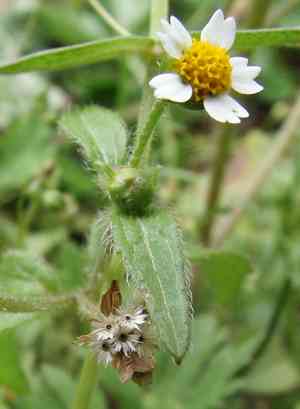
Shaggy soldier (Galinsoga quadriradiata)
Also known as: Hairy galinsoga
Galinsoga quadriradiata, part of the daisy family, is a troublesome invasive weed, particularly in organic farming. Its seeds are sticky and can cling to animals and humans, spreading easily. Each plant is capable of producing more than 7,000 seeds, leading to a potential reduction in crop yields by up to 50%.
In This Article
Attributes of Shaggy soldier
Lifespan
Annual
Plant Type
Herb
Plant Height
10 cm to 60 cm
Spread
N/A
Leaf Color
Green
Flower Size
2 mm to 3 mm
Flower Color
White Yellow
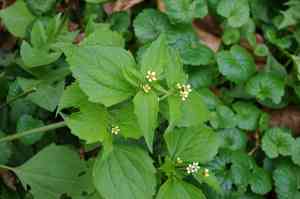
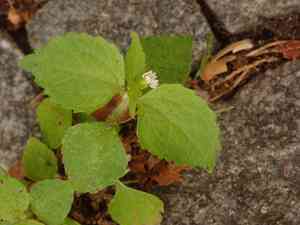
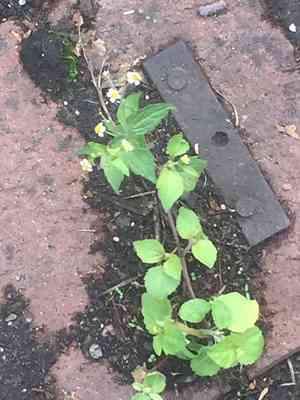
Images of Shaggy soldier
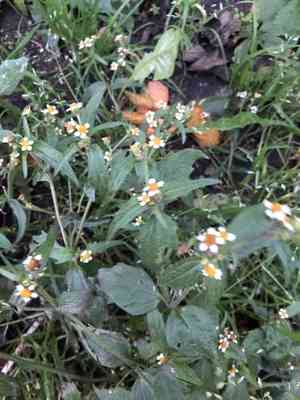
Quickly Identify Shaggy soldier
1
Opposite leaves with serrated margins, light green foliage.
2
Daisy-like flowers with white petals and yellow central disc.
3
Flowers with 5 notched white ray petals and green bracts.
4
Small, dry achenes with finely fringed edges and distinctive awn.
5
Densely hairy, thin stems with multi-branching pattern.
Scientific Classification of Shaggy soldier
Phylum
Vascular plants
Class
Dicotyledons
Order
Asterales
Family
Daisy
Genus
Gallant soldiers
Species
Shaggy soldier
Planting and Growing of Shaggy soldier
Care Difficulty
Easy
Watering Schedule
Every 8 days
Sunlight Requirements
Partial sun
Sunshine Duration
6-10 hours
Ideal Temperature
59-77℉
Soil Type
Potting Mix, Peat Mix
Soil pH
6.5-7.5
Fertilizer Type
Balanced
Pruning Season
Spring, Summer
Pruning Area
Branches, Leaves
Pruning Frequency
2 times a year
Repotting Season
Spring
Pot Type
Terracotta, Plastic
 How to Water Shaggy soldier?
Galinsoga quadriradiata requires consistent moisture but should never be waterlogged. Water the plant until the soil is thoroughly moist, ensuring that excess water can drain away freely. Ideally, you should water the plant with approximately 250 milliliters each time, depending on the soil and environmental conditions.
What are the symptoms of an underwatered Shaggy soldier?
›
What should I do if my Shaggy soldier is not getting enough water?
›
What are the symptoms of an overwatered Shaggy soldier?
›
How to save an overwatered Shaggy soldier?
›
 What Are the Sunlight Requirements for Shaggy soldier?
Partial sun is ideal for Galinsoga quadriradiata, allowing it to photosynthesize effectively while avoiding the stress of intense sunlight. This balance fosters continuous growth and improved flowering.
What is the ideal lighting condition for Galinsoga quadriradiata?
›
How can one achieve this ideal lighting condition?
›
What benefits does Galinsoga quadriradiata gain from ideal lighting?
›
 What Is the Ideal Temperature Range for Shaggy soldier?
Galinsoga quadriradiata thrives best within temperatures ranging from 59°F to 77°F. This range provides the perfect balance of warmth and moisture necessary for its growth and development. Maintaining these conditions ensures that the plant's metabolic processes function efficiently, leading to robust and healthy plant growth.
 What Soil is Best for Shaggy soldier?
Galinsoga quadriradiata thrives in nutrient-rich soils that support its rapid growth and vibrant foliage. Rich in organic matter, such soils provide essential nutrients that help to bolster the plant's growth and vigor. Well-drained soil is vital for avoiding root rot and other moisture-related issues. This helps ensure that Galinsoga quadriradiata's roots are well-aerated, promoting healthy root development and overall plant health. Moderate moisture levels in the soil are crucial for Galinsoga quadriradiata, as it prevents the soil from becoming too dry or overly waterlogged. Maintaining an optimal moisture balance aids in consistent growth and flowering.
 How to Fertilize Shaggy soldier?
Galinsoga quadriradiata benefits from moderate amounts of fertilizer. For liquid fertilizers, use a balanced formula and apply at a rate of 1/2 strength to avoid over-fertilization. For slow-release fertilizers, follow the package recommendations, typically around 10 grams spread evenly over the soil surface.
 How to Prune Shaggy soldier?
Begin by identifying dead or damaged stems and remove them first. Focus on the long, spindly shoots that detract from the plant's desired compact shape. Clip these back to a pair of leaves or down to the base as needed. Take care to make clear cuts to promote rapid healing. After pruning, water the plant moderately and apply a balanced fertilizer to support renewed growth. Monitor for any signs of stress or pests as the plant recovers, particularly during the warmer months.
 How to Propagate Shaggy soldier plant?
1
Begin by filling a seed tray with potting mix. Scatter the seeds over the surface and lightly press them into the mix. Cover them with a thin layer of soil.
2
Gently water the seeds to keep the soil moist but not waterlogged. Use a spray bottle to avoid disturbing the seeds.
3
Place the seed tray in a location with indirect sunlight. Maintain consistent moisture in the soil to encourage seed germination.
 How to Repot Shaggy soldier plant?
1
Galinsoga quadriradiata shows signs for repotting when you notice roots protruding from drainage holes or if growth appears stunted. Ideally, consider repotting annually during the growing seasons to ensure it has ample space and resources.
2
Select a pot that is one size larger than the current one, with ample drainage holes. This ensures adequate space for root expansion and prevents waterlogging, which can lead to root rot. A slightly larger pot also encourages healthy growth by providing more space for nutrient uptake.
3
Pick a well-draining potting mix, ideally something that maintains moisture yet prevents water retention. A combination of peat and perlite can work wonders, optimizing the balance of aeration and moisture, crucial for the plant's health.
Learn More About Shaggy soldier Diseases
Anthracnose
Bacterial Leaf Spot
Bacterial Soft Rot
Bacterial Wilt
Chemical Injury
Damping-off
Downy Mildew
Drought Stress
Fusarium Wilt
Gray Mold
Leaf Spot
Mosaic
Nutrient Deficiency
Nutrient Toxicity
Powdery Mildew
Root Rot
Root-knot Nematode
Rusts
Sooty Mold
Spider Mites
Temperature Stress
Thrips Damage
White Mold



