Hemp-nettle (Galeopsis) (Galeopsis)
Also known as: Hemp-nettle
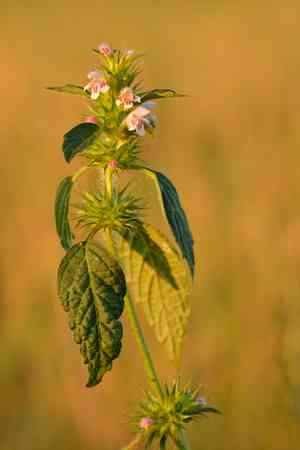
Hemp-nettle (Galeopsis) species are poisonous weeds commonly found in Europe, Western Asia, and North America, especially along lake shores and in disturbed areas. Their leaves are notable for their simple, hairy appearance.
In This Article
Attributes of Hemp-nettle (Galeopsis)
Lifespan
Annual
Plant Height
30-100 cm
Spread
Varies, generally not noted for a distinct crown
Leaf Color
Green
Flower Size
1-2 cm
Flower Color
White, pink, purple
Images of Hemp-nettle (Galeopsis)
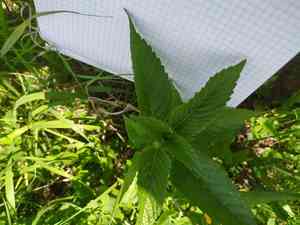
Quickly Identify Hemp-nettle (Galeopsis)
1
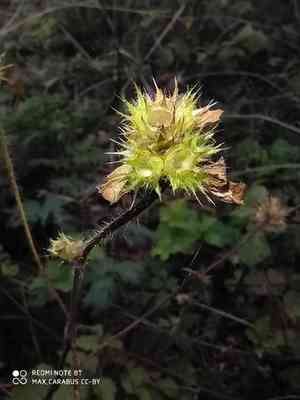
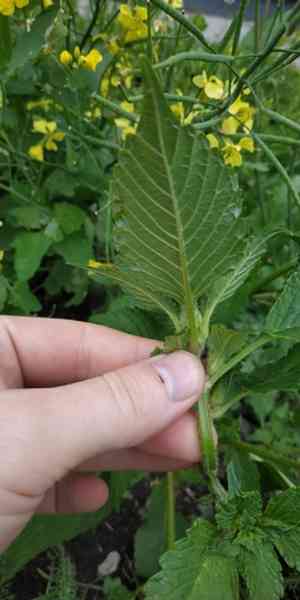
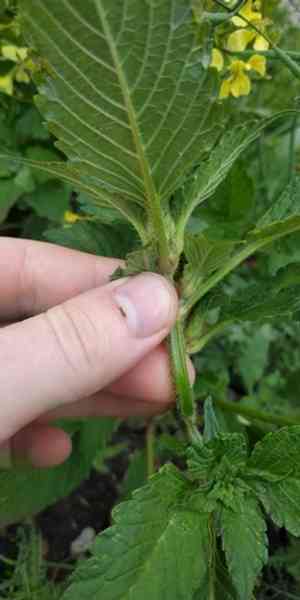
To identify Galeopsis, look for square stems and pairs of opposite, hairy leaves with serrated edges. The flowers are usually tubular and can be white, pink, or purple with distinctive markings.
Scientific Classification of Hemp-nettle (Galeopsis)
Phylum
Tracheophyta
Class
Magnoliopsida
Order
Lamiales
Family
Lamiaceae
Genus
Galeopsis
Planting and Growing of Hemp-nettle (Galeopsis)
Care Difficulty
Easy
Watering Schedule
Every 6 days
Sunlight Requirements
Partial sun
Sunshine Duration
6-8 hours
Ideal Temperature
60-75℉
Soil Type
Potting Mix, Peat Mix
Soil pH
6.5-7.5
Fertilizer Type
Balanced
Pruning Season
Spring, Summer
Pruning Area
Branches, Leaves
Pruning Frequency
2 times a year
Repotting Season
Spring
Pot Type
Plastic, Ceramic
 How to Water Hemp-nettle (Galeopsis)?
Galeopsis prefers a moderate watering regime. Ensure the soil is moist but not waterlogged, as Galeopsis does not tolerate soggy conditions. Water until the top layer of the soil appears damp, ensuring excess water drains away freely to prevent root rot.
What are the symptoms of an underwatered Hemp-nettle (Galeopsis)?
›
What should I do if my Hemp-nettle (Galeopsis) is not getting enough water?
›
What are the symptoms of an overwatered Hemp-nettle (Galeopsis)?
›
How to save an overwatered Hemp-nettle (Galeopsis)?
›
 What Are the Sunlight Requirements for Hemp-nettle (Galeopsis)?
Galeopsis thrives in partial sunlight, benefiting significantly from about 3 to 6 hours daily. Adequate light exposure promotes healthy growth, enhances structural integrity, and supports optimal flowering.
Optimal Placement
›
Solution for Ideal Lighting
›
Benefits of Ideal Lighting
›
 What Is the Ideal Temperature Range for Hemp-nettle (Galeopsis)?
The ideal temperature range for cultivating Galeopsis should be between 60°F and 75°F. This temperature range helps facilitate optimal photosynthesis and nutrient metabolism, ensuring healthy growth. Maintaining this steady temperature range minimizes stress and promotes flower and seed development.
 What Soil is Best for Hemp-nettle (Galeopsis)?
Galeopsis thrives in well-drained soil; it prevents waterlogging and root rot, thus ensuring the plant's roots receive adequate oxygen. This soil structure aids in healthier root systems and reduces the risk of fungal diseases. This plant demands a nutrient-rich soil mix, which provides essential minerals and nutrients for optimal growth. A fertile base supports lush foliage and vibrant blooms, enhancing the plant's overall aesthetic and vitality. Galeopsis benefits from a soil that retains moderate moisture, preventing dehydration without causing over-saturation. This balance supports sustained growth and avoids stress, allowing for robust plant development.
 How to Fertilize Hemp-nettle (Galeopsis)?
For Galeopsis, the right amount of fertilizer is crucial. Use a balanced liquid fertilizer diluted to half strength, about 10 ml per liter of water, applied during active growth. For slow-release fertilizers, use about 30 grams per plant applied sparingly as they break down over time to prevent nutrient overload.
 How to Prune Hemp-nettle (Galeopsis)?
Start by examining your Galeopsis plant under natural light to determine which parts need trimming. Prepare clean and sharp pruning shears for precise cuts. Gently remove any dead or discolored leaves and trim back overgrown stems to encourage air circulation. Keep in mind to cut above the leaf nodes to promote bushier growth. Finally, step back and ensure that your plant maintains a balanced shape.
 How to Propagate Hemp-nettle (Galeopsis) plant?
1
Start by preparing a well-draining soil mix. Galeopsis prefers a mix that retains some moisture but allows excess to drain. Standard seed starting soil can be amended with perlite or sand for improved drainage.
2
Sow Galeopsis seeds on the surface of the prepared soil, pressing them lightly into place. They require light to germinate, so do not cover them with a layer of soil.
3
Select healthy stems for cuttings, ideally about 4-6 inches long. Use sterile pruning shears to make precise cuts just below a leaf node to encourage rooting.
 How to Repot Hemp-nettle (Galeopsis) plant?
1
Look for signs like roots growing out of the pot's drainage holes, slow growth, or the soil drying out more quickly than usual. These signals indicate that your Galeopsis needs more space and nutrients, making it the perfect time to repot.
2
Select a pot that is only slightly larger than the current one, preferably with drainage holes to prevent waterlogging. A slightly larger pot allows roots adequate space to grow, promoting healthier plant growth while preventing overwatering issues.
3
Opt for a well-draining potting mix, preferably one with added perlite or sand to enhance drainage. Such a mix prevents root rot by ensuring that excess water flows out easily, catering to Galeopsis' preference for not staying in soggy soil.

