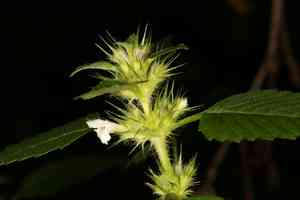
Common hemp-nettle (Galeopsis tetrahit)
Also known as: Hemp-nettle
The common hemp-nettle (Galeopsis tetrahit) is often regarded as a weed in many areas. Each of its flowers produces 4 seeds, which are known to attract numerous insects. One plant can produce hundreds of seeds that fall to the soil, readily germinate, and grow in the next spring.
In This Article
Attributes of Common hemp-nettle
Lifespan
Annual
Plant Type
Herb
Plant Height
20 cm to 70 cm
Spread
25 cm
Leaf Color
Green White
Flower Size
1-2 cm
Flower Color
White Pink Purple
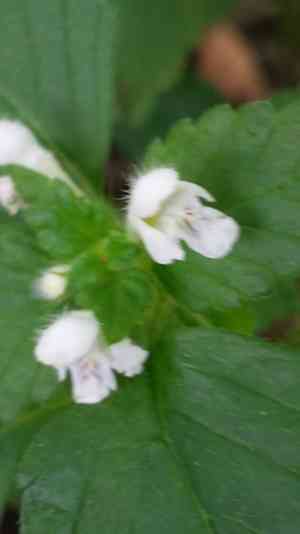
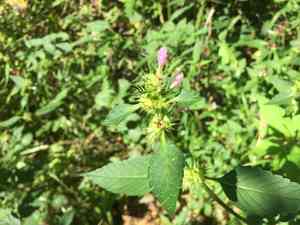
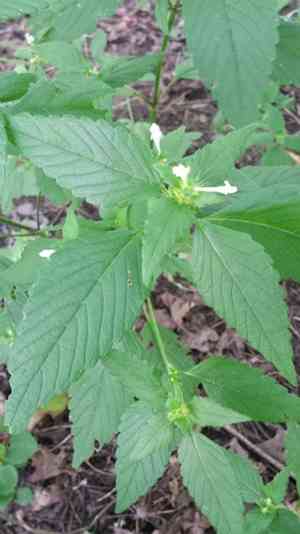
Images of Common hemp-nettle
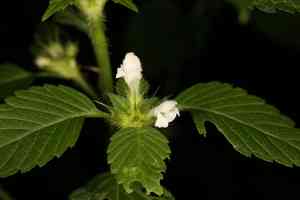
Quickly Identify Common hemp-nettle
1
Galeopsis tetrahit can be identified by its square stems that are often hairy, paired leaves that are serrated, and tubular flowers that can be white, pink, or purple. The plant has a unique four-angled stem, which gives it the species name \'tetrahit\'.
Scientific Classification of Common hemp-nettle
Phylum
Vascular plants
Class
Dicotyledons
Order
Lamiales
Family
Mint
Genus
Hemp-nettle
Species
Common hemp-nettle
Planting and Growing of Common hemp-nettle
Care Difficulty
Easy
Watering Schedule
Every 2 days
Sunlight Requirements
Partial sun
Sunshine Duration
6-12 hours
Ideal Temperature
60-75℉
Soil Type
Potting Mix, Peat Mix
Soil pH
6.5-7.5
Fertilizer Type
Balanced
Pruning Season
Spring, Summer
Pruning Area
Branches, Leaves
Pruning Frequency
2 times a year
Repotting Season
Spring
Pot Type
Plastic, Terracotta
 How to Water Common hemp-nettle?
When watering Galeopsis tetrahit, ensure that the soil is damp to a depth of about 2 inches. This plant prefers consistently moist conditions but not waterlogged soil. A good rule is to achieve 250 ml per watering per plant for optimal growth.
What are the symptoms of an underwatered Common hemp-nettle?
›
What should I do if my Common hemp-nettle is not getting enough water?
›
What are the symptoms of an overwatered Common hemp-nettle?
›
How to save an overwatered Common hemp-nettle?
›
 What Are the Sunlight Requirements for Common hemp-nettle?
Partial sun ensures Galeopsis tetrahit grows optimally, balancing light for photosynthesis while preventing stress. This condition supports lush growth, vibrant foliage, and resistance to environmental stressors.
How much light does Galeopsis tetrahit need daily?
›
What type of sunlight is best for Galeopsis tetrahit?
›
How to achieve ideal lighting without moving the plant often?
›
 What Is the Ideal Temperature Range for Common hemp-nettle?
The ideal temperature range for Galeopsis tetrahit, also known as the common hemp-nettle, spans from 60°F to 75°F. These temperatures provide optimal conditions for photosynthesis, nutrient uptake, and overall plant vigor. By maintaining this range, the plant is more likely to exhibit robust growth, vibrant foliage, and a consistent development pattern.
 What Soil is Best for Common hemp-nettle?
Galeopsis tetrahit thrives in well-draining soil that helps prevent waterlogging, thereby reducing root rot risks. Amending the soil with organic matter like compost can boost drainage and provide essential nutrients, promoting healthy growth. While drainage is key, Galeopsis tetrahit also benefits from soils that retain adequate moisture. Sandy loam is particularly effective in holding enough water without getting waterlogged, supporting the plant through dry spells. A nutrient-rich substrate ensures that Galeopsis tetrahit receives sufficient minerals for robust growth. Using peat soil or loam enriched with organic fertilizers can enhance both the micro and macronutrient content available to the plant.
 How to Fertilize Common hemp-nettle?
For Galeopsis tetrahit, ensure a balanced approach when applying fertilizers. Opt for a diluted liquid fertilizer, about half the strength recommended for houseplants, to avoid overwhelming the plant. Use approximately 10 milliliters per liter of water for liquid fertilizers and apply 20 grams per square meter for slow-release granular fertilizers.
 How to Prune Common hemp-nettle?
Begin by identifying the main stems that emerge from the base of the Galeopsis tetrahit. Trim any stems that appear weak or are crossing each other to encourage better air circulation. As the plant blooms, deadhead the flowers by removing any spent flowers. This not only tidies the plant but also promotes further blooming by redirecting energy away from seed production.
 How to Propagate Common hemp-nettle plant?
1
First, obtain high-quality seeds from a reputable source or collect them from mature plants. It's best to use fresh seeds for higher germination rates. Prior to sowing, inspect seeds for any signs of damage or disease.
2
Fill a seed tray with a fine, well-draining seed-starting mix. Sow the seeds evenly across the surface and lightly cover them with a thin layer of the same mix. Ensure they are not buried too deep to allow for light penetration.
3
Place the seed tray in a warm location with indirect sunlight. Maintain a consistent temperature of approximately 20°C (68°F) and keep the soil consistently moist but not waterlogged using a fine mist spray.
 How to Repot Common hemp-nettle plant?
1
Galeopsis tetrahit should be repotted when it shows signs of root-bound conditions or stunted growth. Observe if roots are emerging from drainage holes or the growth rate slows down significantly, indicating it's time to provide fresh soil and more room.
2
Select a pot that is at least 2 inches wider in diameter than the current one. Aim for a pot with good drainage to prevent waterlogging, which is crucial as it helps maintain soil aeration and root health, fostering better growth conditions.
3
Opt for a well-draining potting mix containing a balanced blend of organic matter, sand, and perlite. This ensures that excess water drains efficiently, reducing the risk of root rot while providing essential nutrients and stability to support healthy plant development.
Learn More About Common hemp-nettle Diseases
Anthracnose
Bacterial Leaf Spot
Bacterial Soft Rot
Bacterial Wilt
Black Spot
Chemical Injury
Damping-off
Downy Mildew
Drought Stress
Fusarium Wilt
Gray Mold
Late Blight
Leaf Curl
Leaf Spot
Mosaic
Nutrient Deficiency
Nutrient Toxicity
Powdery Mildew
Root Rot
Root-knot Nematode
Rusts
Sooty Mold
Spider Mites
Temperature Stress
Thrips Damage
White Mold


