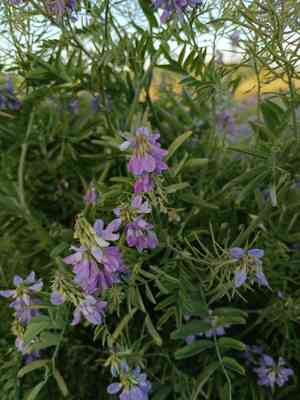
Goat's rues (Galega) (Galega)
Also known as: Goat's Rue, French Lilac
The genus **Lathyrus**, known for species such as the sweet pea, features pea-like flowers in white, blue, or pinkish-red hues. These striking blooms have made them favored ornamental plants. Additionally, they are characterized by their robust, well-branched stems.
In This Article
Attributes of Goat's rues (Galega)
Lifespan
Perennial
Plant Height
1 to 2 meters
Spread
0.5 to 1 meter
Leaf Color
Green
Flower Size
0.5 to 1 centimeter
Flower Color
Blue, Purple, sometimes White
Images of Goat's rues (Galega)
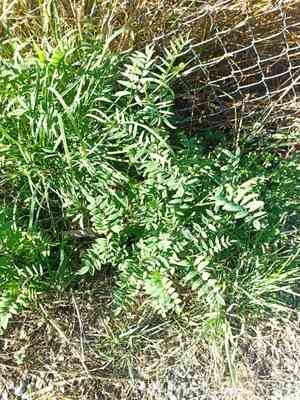
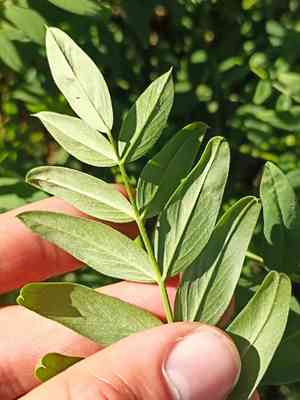
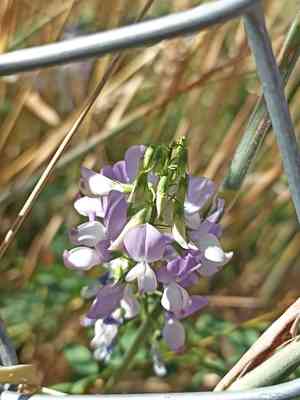
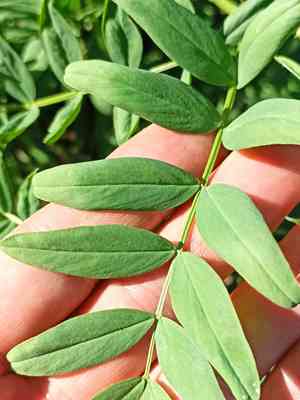
Quickly Identify Goat's rues (Galega)
1
Galega plants can be identified by their tall, erect stems, pinnate leaves with multiple leaflets, and dense clusters of pea-like flowers that are usually blue or purple in color.
Scientific Classification of Goat's rues (Galega)
Phylum
Magnoliophyta
Class
Magnoliopsida
Order
Fabales
Family
Fabaceae
Genus
Galega
Planting and Growing of Goat's rues (Galega)
Care Difficulty
Moderate
Watering Schedule
Every 2 days
Sunlight Requirements
Full sun
Sunshine Duration
6-10 hours
Ideal Temperature
60-75℉
Soil Type
Potting Mix, Peat Mix
Soil pH
6.5-7.5
Fertilizer Type
Balanced
Pruning Season
Spring, Summer
Pruning Area
Branches, Leaves
Pruning Frequency
2 times a year
Repotting Season
Spring
Pot Type
Plastic, Ceramic
 How to Water Goat's rues (Galega)?
For Galega, ensure the soil is evenly moist after watering. Aim to penetrate the soil deeply with about 500 ml of water, allowing the roots to absorb adequately without waterlogging. This ensures robustness in growth and prevents root issues.
What are the symptoms of an underwatered Goat's rues (Galega)?
›
What should I do if my Goat's rues (Galega) is not getting enough water?
›
What are the symptoms of an overwatered Goat's rues (Galega)?
›
How to save an overwatered Goat's rues (Galega)?
›
 What Are the Sunlight Requirements for Goat's rues (Galega)?
Galega ideally enjoys full sun, with some partial sun, especially in the afternoon. This light range enables optimal growth and flowering, enhancing both health and aesthetics of the plant.
How Much Sun Does Galega Need?
›
What's the Best Place to Position Galega?
›
What If Galega Gets Too Much Sun?
›
 What Is the Ideal Temperature Range for Goat's rues (Galega)?
Galega species flourish best in temperatures ranging from 60 to 75°F. This range offers the right balance of warmth and coolness, supporting both photosynthesis and nutrient absorption. Maintaining this temperature helps the plant to produce lush, green foliage and vibrant flowers. A stable temperature within this range ensures consistent growth and reduces the risk of stress-related issues.
 What Soil is Best for Goat's rues (Galega)?
Galega thrives in nutrient-rich soils which provide the essential minerals and organic matter necessary for robust growth. Such soil conditions support the plant's vitality, promoting lush foliage and prolific blooming. The plant needs well-drained soil to prevent waterlogging, which can lead to root rot. Ensuring proper drainage allows the roots to access oxygen easily, fostering a healthy root system essential for overall plant health. Galega benefits from soil that maintains moisture without becoming soggy. This balance ensures that the plant roots have consistent access to water, which is crucial during growth spurts and dry seasons.
 How to Fertilize Goat's rues (Galega)?
Galega plants require a balanced approach to fertilization, as they thrive with moderate nutrient intake. Typically, when applying liquid fertilizers, a diluted solution with an N-P-K ratio of 10-10-10 should suffice, using approximately one tablespoon per gallon of water. Solid fertilizers in granulated form should be used sparingly, about one cup per square meter of soil, ensuring the nutrients are not overly concentrated.
 How to Prune Goat's rues (Galega)?
Start by using clean, sharp pruning shears to cut away any dead or diseased stems at their base. Focus on thinning out the interior of the plant by removing overlapping or excessively crowded branches. This helps improve air circulation and sunlight penetration, promoting a healthier plant. Always prune just above a node to encourage new shoot growth. After the flowering season, trim back the old flower stems to encourage the growth of new blooms. Cut back to just above a set of leaves or a strong outward-facing bud. This will ensure that the plant doesn't waste resources on old, non-productive stems, focusing instead on vibrant new growth.
 How to Propagate Goat's rues (Galega) plant?
1
Collect mature seeds from the plant when the pods have turned brown but before they disperse naturally. Make sure to dry them in a cool, dark place before storage to prevent mold or rot.
2
Select healthy, non-flowering stems for cuttings, about 4-6 inches long. Remove lower leaves to reduce water loss and dip the cut end in rooting hormone to enhance root development.
3
Dig up the entire plant in early spring and carefully separate the clumps into sections, ensuring each section has roots and shoots. Replant immediately to prevent root dehydration.
 How to Repot Goat's rues (Galega) plant?
1
You'll know it's time to repot Galega when you see roots coming out of the drainage holes or when its growth seems stunted despite regular care. These are sure signs that it's outgrown its current pot and needs more room to thrive.
2
Select a pot that is slightly larger than the current one with excellent drainage. The new pot should be about 2-3 inches larger in diameter. A pot with good drainage will prevent waterlogging, which is essential for the healthy growth of Galega.
3
Opt for a well-draining, loamy soil mixture. Such soil ensures that water does not accumulate at the roots, which is crucial for preventing root rot and promoting healthy growth. A quality potting mix will support nutrient availability.
Toxicity
Ingestion
WARNING
The judgment on toxicity and danger is for reference only. We DO NOT GUARANTEE any accuracy of such judgment. Therefore, you SHALL NOT rely on such judgment. It is IMPORTANT TO SEEK PROFESSIONAL ADVICE in advance when necessary.
Learn More About Goat's rues (Galega) Diseases
Anthracnose
Bacterial Leaf Spot
Bacterial Soft Rot
Bacterial Wilt
Chemical Injury
Crown Gall
Cyst Nematode
Damping-off
Downy Mildew
Drought Stress
Fusarium Wilt
Gray Mold
Leaf Curl
Leaf Spot
Mosaic
Nutrient Deficiency
Nutrient Toxicity
Powdery Mildew
Root Rot
Root-knot Nematode
Rusts
Sooty Mold
Spider Mites
Temperature Stress
Thrips Damage
White Mold

