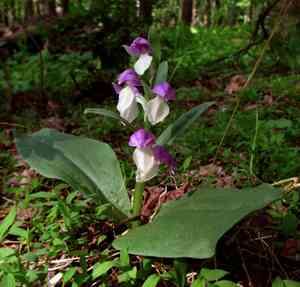
Showy orchis (Galearis spectabilis)
Also known as: Gay Orchid, Showy orchid
The showy orchis (Galearis spectabilis) is a perennial orchid that typically reaches heights of 10 to 20 cm. It is commonly found in deciduous forests across the eastern United States. This orchid blooms from spring to early summer, producing clusters of 3 to 10 fragrant purple and white flowers. It attracts bumblebees and other pollinators.
In This Article
Attributes of Showy orchis
Lifespan
Perennial
Plant Type
Herb
Plant Height
8 cm to 23 cm
Spread
15 cm
Leaf Color
Green
Flower Size
2.5 cm to 8 cm
Flower Color
White Purple Pink
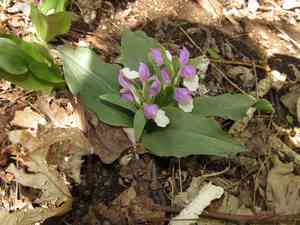
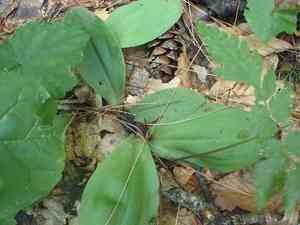
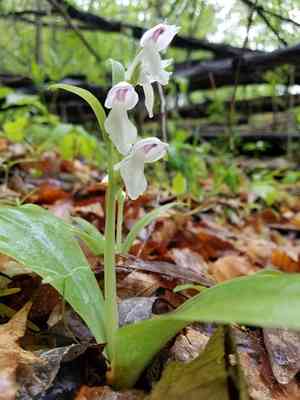
Images of Showy orchis
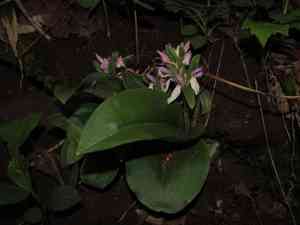
Quickly Identify Showy orchis
1
Vibrant green leaves persist through autumn, distinctive pinkish-lavender and white flower clusters in spring.
2
Flowers with hood-like pink to light purple upper structure and conspicuous white lower lip.
3
Basal leaves oval to elliptic, smooth texture, bright green color, central vein with faint secondary veins.
4
Flower cluster of 3 to over 10 blooms, each 3/4 to 1.5 inches long, lightly fragrant in spring.
Scientific Classification of Showy orchis
Phylum
Vascular plants
Class
Monocotyledons
Order
Asparagales
Family
Orchid
Genus
Galearis
Species
Showy orchis
Planting and Growing of Showy orchis
Care Difficulty
Hard
Watering Schedule
Every day
Sunlight Requirements
Partial sun
Sunshine Duration
4-6 hours
Ideal Temperature
60-75℉
Soil Type
Potting Mix, Peat Mix
Soil pH
6.5-7.5
Fertilizer Type
Balanced
Pruning Season
Spring, Summer
Pruning Area
Branches, Leaves
Pruning Frequency
2 times a year
Repotting Season
Spring
Pot Type
Terracotta, Plastic
 How to Water Showy orchis?
Galearis spectabilis prefers a moderate amount of moisture, so aim for approximately 150 ml per watering session. The soil should be moist but not soggy, ensuring water reaches the root level without pooling on the surface. Follow a 'soak and dry' tactic that allows the topsoil to dry out slightly between sessions.
What are the symptoms of an underwatered Showy orchis?
›
What should I do if my Showy orchis is not getting enough water?
›
What are the symptoms of an overwatered Showy orchis?
›
How to save an overwatered Showy orchis?
›
 What Are the Sunlight Requirements for Showy orchis?
Galearis spectabilis flourishes in partial shade with dappled light. Ideal lighting promotes robust growth, enhancing bloom quality and resistance to environmental stressors.
More About Sunlight Requirements Techniques→
What type of sunlight does Galearis spectabilis prefer?
›
How can I ensure that Galearis spectabilis gets ideal light exposure?
›
What are the benefits of providing Galearis spectabilis with ideal lighting?
›
 What Is the Ideal Temperature Range for Showy orchis?
The ideal temperature range for Galearis spectabilis, commonly known as the Showy Orchis, is between 60 to 75°F. This temperature range is optimal as it mimics the plant's natural woodland habitat, providing the right level of warmth to promote healthy growth and blooming while avoiding stress from excessive heat.
 What Soil is Best for Showy orchis?
Galearis spectabilis thrives in well-drained soils, which help prevent root rot by allowing excess moisture to escape. This characteristic ensures the roots receive enough oxygen, promoting healthy growth and vibrant blooms. While good drainage is essential, this plant also requires the soil to retain some moisture. This balance allows for consistent hydration, which is crucial during its active growing season, enabling a healthy and robust plant. Soils rich in organic matter provide essential nutrients that support the growth and flowering of Galearis spectabilis. A nutrient-rich environment fuels energy for development and prevents yellowing of leaves, keeping the plant lush and green.
 How to Fertilize Showy orchis?
For Galearis spectabilis, it's important to ensure that you're not over-fertilizing. Use a diluted liquid fertilizer at half strength to avoid overwhelming these sensitive orchids. When using granular fertilizer, a small handful around the base of the plant will suffice. Ensure that the fertilizers are evenly distributed to promote uniform growth and avoid hotspots.
 How to Prune Showy orchis?
Begin by using clean, sharp scissors to remove any dead or damaged leaves near the base of the plant. Focus on those areas that show signs of disease or fungal growth. Trim leaves that are unusually large to promote better light penetration to lower parts of the plant. This will encourage healthier and more balanced growth. Remember to adhere to a careful approach, avoiding over-pruning, which might stress the plant.
More About Pruning Techniques→
 How to Propagate Showy orchis plant?
1
Prepare a well-draining soil mix by combining peat and perlite in equal parts. This soil provides optimal conditions for seed germination and root growth.
2
Scatter the seeds on the soil surface without covering them as they need light to germinate. Mist the surface to ensure even moisture and place the tray in indirect sunlight.
3
Carefully dig up the plant during early spring when new growth appears. Divide the clump using garden shears, ensuring each section has healthy roots and shoots before replanting.
 How to Repot Showy orchis plant?
1
Repot Galearis spectabilis when you notice crowded roots, poor water retention, or stunted growth. Typically, these signs appear every 2-3 years. The best time is in spring or autumn when the plant is neither in its full growth phase nor dormant, allowing it to adjust smoothly to a new pot without stress.
2
Select a pot that is 1-2 inches larger in diameter than the current one, with ample drainage holes. A breathable material like terracotta can be beneficial as it allows for air circulation to the roots. Proper pot size prevents overwatering and promotes healthy root growth, reducing the risk of root rot.
3
Opt for a well-draining orchid mix tailored for terrestrial orchids. This kind of soil mix usually contains bark, perlite, and peat moss. The mix provides necessary aeration and mimics the natural environment, retaining enough moisture to feed the roots while allowing excess water to escape, thus preventing rot.
Learn More About Showy orchis Diseases
Anthracnose
Bacterial Leaf Spot
Bacterial Soft Rot
Bacterial Wilt
Crown Gall
Cyst Nematode
Damping-off
Downy Mildew
Drought Stress
Fusarium Wilt
Gray Mold
Leaf Spot
Mosaic
Nutrient Deficiency
Nutrient Toxicity
Powdery Mildew
Root Rot
Root-knot Nematode
Rusts
Sooty Mold
Spider Mites
Temperature Stress
Thrips Damage
White Mold



