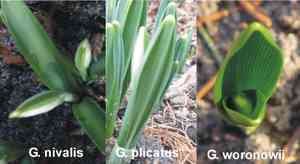
Snowdrops (Galanthus) (Galanthus)
Also known as: Snowdrops
Galanthus, commonly known as snowdrops, is a genus of about 20 species of bulbous perennial herbaceous plants. They are one of the earliest spring bloomers, often appearing when snow is still on the ground.
In This Article
Attributes of Snowdrops (Galanthus)
Lifespan
Perennial
Plant Height
10 cm
Spread
5 cm
Leaf Color
Green
Flower Size
2-3 cm
Flower Color
White Green
Images of Snowdrops (Galanthus)
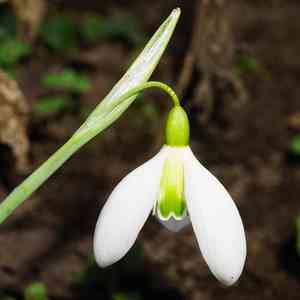
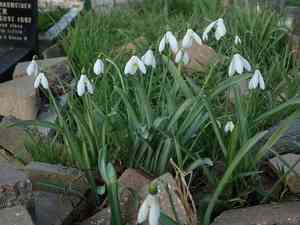
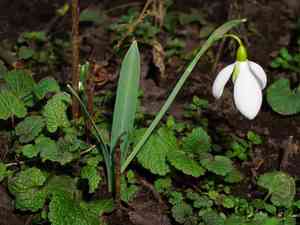
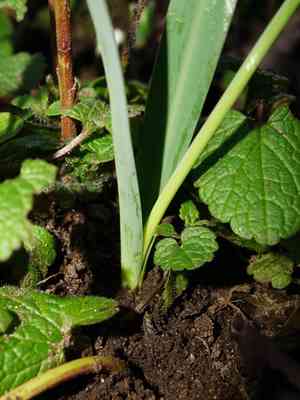
Quickly Identify Snowdrops (Galanthus)
1
Snowdrops can be identified by their nodding, white, bell-shaped flowers with three outer petals and three smaller inner segments. The leaves are narrow and linear.
Scientific Classification of Snowdrops (Galanthus)
Phylum
Angiosperms
Class
Monocots
Order
Asparagales
Family
Amaryllidaceae
Genus
Galanthus
Planting and Growing of Snowdrops (Galanthus)
Care Difficulty
Easy
Watering Schedule
Every 4 days
Sunlight Requirements
Partial sun
Sunshine Duration
4-8 hours
Ideal Temperature
50-68℉
Soil Type
Potting Mix, Peat Mix
Soil pH
6.5-7.5
Fertilizer Type
Balanced
Pruning Season
Spring, Summer
Pruning Area
Branches, Leaves
Pruning Frequency
2 times a year
Repotting Season
Spring
Pot Type
Plastic, Ceramic
 How to Water Snowdrops (Galanthus)?
For Galanthus, also known as snowdrops, it is crucial to keep the soil consistently moist but not waterlogged. Aim to supply approximately 250 milliliters of water per application. The goal is to maintain a damp environment, resembling their natural woodland habitats where they thrive in the presence of ample moisture. Be watchful not to over-saturate the soil, as snowdrops prefer well-drained conditions.
What are the symptoms of an underwatered Snowdrops (Galanthus)?
›
What should I do if my Snowdrops (Galanthus) is not getting enough water?
›
What are the symptoms of an overwatered Snowdrops (Galanthus)?
›
How to save an overwatered Snowdrops (Galanthus)?
›
 What Are the Sunlight Requirements for Snowdrops (Galanthus)?
Partial sun allows Galanthus to photosynthesize effectively without the risk of leaf burn, resulting in lush foliage and vibrant blooms. Full shade also maintains moisture levels suitable for its growth.
Problem Identification
›
Solution Implementation
›
Effect Achievement
›
 What Is the Ideal Temperature Range for Snowdrops (Galanthus)?
Galanthus, commonly known as snowdrops, thrive in a cool temperature range of 50 to 68 degrees Fahrenheit. This range ensures optimal growth and blooming, closely resembling their natural habitat in woodlands and alpine regions of Europe. Maintaining this temperature enables the plant to synthesize nutrients efficiently and manage its water needs adequately.
 What Soil is Best for Snowdrops (Galanthus)?
Galanthus needs well-drained soil to prevent waterlogging, which can lead to bulb rot. Good drainage ensures that the roots receive adequate oxygen, promoting healthy growth. A nutrient-rich soil helps Snowdrops flourish by providing essential minerals and nutrients, facilitating lush foliage and robust flower production. Moist soil is vital for Galanthus, especially during its growing season, as it supports active growth and sustenance without succumbing to overly wet conditions.
 How to Fertilize Snowdrops (Galanthus)?
Galanthus, commonly known as snowdrops, requires moderate fertilization. Applying a dilute solution of liquid fertilizer every two weeks during its growing season can enhance its growth and flowering potential. Ensure the solution is mixed at a quarter to half strength to avoid burning the delicate roots.
 How to Prune Snowdrops (Galanthus)?
It's crucial to begin with clean, sharp tools to avoid the spread of diseases. Sterilize your pruning shears or scissors by wiping them down with a solution of bleach and water before starting. With your sterilized tools, gently cut away any dead or yellowing leaves at the base of the plant. Be careful not to damage surrounding healthy growth as you work. Dispose of any diseased or dead plant material in a sealed bag to prevent the spread of pathogens. This step is essential to maintain the overall health of your Galanthus plants.
 How to Propagate Snowdrops (Galanthus) plant?
1
For both seed and division propagation, using well-drained soil rich in organic matter is vital. Before planting, incorporate compost into the soil to provide essential nutrients.
2
Galanthus seeds should be sown in early spring. Lightly sprinkle the seeds on the soil surface and cover them with a thin layer of sand or fine soil. Ensure the soil remains moist but not waterlogged.
3
Divide Galanthus bulbs in late winter or early spring when they are dormant. Carefully separate the clusters of bulbs, ensuring each has roots attached, and replant them at the same depth as they were growing previously.
 How to Repot Snowdrops (Galanthus) plant?
1
Galanthus, commonly known as snowdrops, need repotting when you notice they are overcrowded, usually indicated by poor flowering or browning leaves. Ideally, repot during periods of dormancy, notably in early spring or autumn, to minimize stress on the plant.
2
Select a pot with adequate drainage and only slightly larger than the bulb cluster's current size to prevent excessive moisture. The right pot enhances root growth, prevents waterlogging, and supports optimal flowering cycles.
3
Opt for well-draining loamy soil rich in organic matter to replicate Galanthus’s natural habitat. This provides essential nutrients, encourages healthy growth, and ensures the delicate bulbs remain rot-free.
Toxicity
Ingestion
WARNING
The judgment on toxicity and danger is for reference only. We DO NOT GUARANTEE any accuracy of such judgment. Therefore, you SHALL NOT rely on such judgment. It is IMPORTANT TO SEEK PROFESSIONAL ADVICE in advance when necessary.
Learn More About Snowdrops (Galanthus) Diseases
Bacterial Leaf Spot
Bacterial Soft Rot
Crown Gall
Damping-off
Downy Mildew
Drought Stress
Fusarium Wilt
Gray Mold
Leaf Spot
Mosaic
Nutrient Deficiency
Nutrient Toxicity
Powdery Mildew
Root Rot
Root-knot Nematode
Rusts
Sooty Mold
Spider Mites
Temperature Stress
Thrips Damage
White Mold
Chemical Injury

