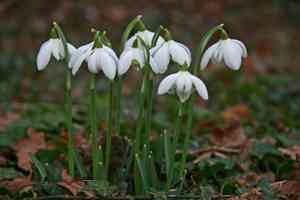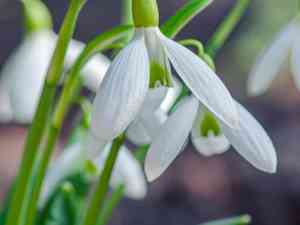
Snowdrop(Galanthus nivalis)

Snowdrop (Galanthus nivalis)

Also known as: Fair maids of February, Purification flower, Candlemas lily

The Lily of the Valley is a symbol of spring, growing to heights of 7 to 15 cm. Emerging from bulbs, it features delicate, drooping bell-shaped white flowers and is accompanied by two slender, upright leaves. This charming flower has historical mentions dating back to the fourth century.

Attributes of Snowdrop

Lifespan
Perennial
Plant Type
Herb
Plant Height
7 cm to 15 cm
Spread
5 cm to 10 cm
Leaf Color
Green Gray Silver
Flower Size
6 mm to 1.1 cm
Flower Color
White Green

PlantJoy - Identify plants with a snap

Identify and diagnose plants, get toxicity alerts, and explore safety guides for all types of fungi.

Try for Free

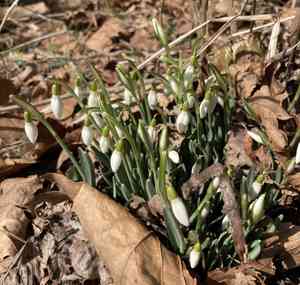
Images of Snowdrop

Snowdrop(Galanthus nivalis)

Quickly Identify Snowdrop

1
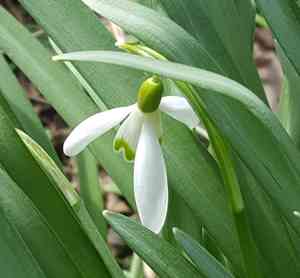
Basal lanceolate leaves, 4-8 inches long (10-20 cm).
2
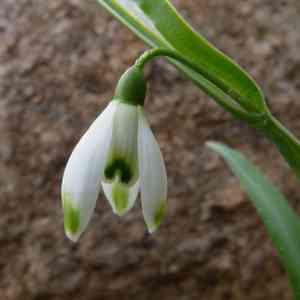
Singular, pendulous flower with green-tipped inner tepals.
3
Bell-shaped white flowers with 6 tepals, outer oblong, inner shorter.
4
Nearly spherical capsule fruit, 1/2 inch (1.27 cm) in diameter.
5
Linear greyish-green leaves, 3.5 inches long (9 cm).

Scientific Classification of Snowdrop

Phylum
Vascular plants
Class
Monocotyledons
Order
Asparagus and allies
Family
Amaryllis
Genus
Snowdrops
Species
Snowdrop

Planting and Growing of Snowdrop

Care Difficulty
Easy
Watering Schedule
Every 2 days
Sunlight Requirements
Partial sun
Sunshine Duration
4-6 hours
Ideal Temperature
45-65℉
Soil Type
Potting Mix, Peat Mix
Soil pH
6.5-7.5
Fertilizer Type
Balanced
Pruning Season
Spring, Summer
Pruning Area
Branches, Leaves
Pruning Frequency
2 times a year
Repotting Season
Spring
Pot Type
Plastic, Ceramic

water icon How to Water Snowdrop?

When watering Galanthus nivalis, it's crucial to ensure the soil is moderately moist without being soggy. Aim for about 200 ml of water, which allows for consistent soil moisture levels necessary for healthy growth. The soil should feel moist when touched but should not have standing water.
What are the symptoms of an underwatered Snowdrop?
What should I do if my Snowdrop is not getting enough water?
What are the symptoms of an overwatered Snowdrop?
How to save an overwatered Snowdrop?
More About Watering Techniques

sunlight icon What Are the Sunlight Requirements for Snowdrop?

Sunlight Requirements: Partial sun
Duration of light: 4 to 6 hours daily
Partial sun is ideal for Galanthus nivalis as it allows for sufficient light to promote photosynthesis and flowering, while protecting the plant from extreme heat, maintaining optimal health and beauty.
Best Season for Ideal Lighting
Best Time of Day for Exposure
Positioning for Optimal Light
More About Sunlight Requirements Techniques

temperature icon What Is the Ideal Temperature Range for Snowdrop?

Ideal Temperature: 45 ~ 65℉
For optimal growth, Galanthus nivalis thrives in temperatures ranging from 45°F to 65°F. This temperature range replicates the cool, temperate climates in which snowdrops naturally occur. Providing these conditions ensures healthy leaf and stem development and supports the plant's flowering process. It's important that these temperatures are maintained consistently to mimic their native woodland and meadows environment.

soil icon What Soil is Best for Snowdrop?

Soil type: Loam, Sandy loam
Soil PH: 6.5 ~ 7.5
Galanthus nivalis thrives in well-drained soil, which helps prevent root rot and promotes healthier growth. Ensuring excess water can easily escape mimics the plant's natural habitat, allowing it to flourish during its growing season. This plant loves moisture, ensuring consistent humidity in the soil is vital. Moist conditions provide the nourishment Galanthus nivalis needs, especially during warmer months. Mulching can help maintain the necessary moisture levels. Rich in nutrients, fertile soil fosters optimal growth and vigorous blooming in Galanthus nivalis. Incorporating organic matter like compost can enrich the soil, providing essential nutrients that support the plant's development. More About Soil

fertilize icon How to Fertilize Snowdrop?

Fertilizer type: Balanced
The snowdrop, Galanthus nivalis, is a hardy plant that requires a balanced approach to fertilizing. It benefits from light applications of fertilizers, especially during the growing season. A 10-10-10 balanced liquid fertilizer should be diluted to half-strength and applied carefully to avoid over-fertilization, roughly two times a month. More About Fertilizing Techniques

prune icon How to Prune Snowdrop?

Pruning Time: Spring, Summer
After the snowdrops have finished blooming in the spring, allow the leaves to wither naturally and only prune them once they have yellowed and dried. This ensures the bulbs have absorbed enough nutrients through photosynthesis. Cut off the spent flowering heads right after blooming to prevent the plant from putting energy into seed production. This redirection of energy encourages better bulb development for the next season. More About Pruning Techniques

propagate icon How to Propagate Snowdrop plant?

Propagate Time: Spring, Early spring, Late spring
1
Wait for the seed pods of Galanthus nivalis to ripen and turn brown. Carefully collect them before they burst open, scattering the seeds. Store them in a cool, dry place until you're ready to plant.
2
Use well-draining soil enriched with organic matter. Ensure the soil is loose and free of debris to allow for good root growth. The pH should be slightly acidic to neutral for optimal plant health.
3
When dividing clumps, gently separate the bulbs. Plant them approximately 2-3 inches deep and 3 inches apart. Ensure each bulb's pointed end faces upwards to promote correct growth and flowering.
More About Propagating Techniques

repot icon How to Repot Snowdrop plant?

Repotting frequency: Every 2-3 years
1
Look for signals like roots growing out of the pot's drainage holes or soil that dries out quickly. In these cases, it's time to consider repotting. Also, if the plant appears stunted or the leaves start yellowing sooner than usual, these could be signs that your Galanthus nivalis needs more space.
2
Select a pot that is one size larger than the current one to provide adequate room for growth. Ensure it has good drainage holes to prevent waterlogging. The material can be clay or plastic but ensure it retains moisture while allowing air to circulate around the roots. A lightweight pot is easier to handle and encourages better root development.
3
Opt for a well-draining, loamy soil mix which is supplemented with organic matter. This type of soil ensures that excess water runs off easily and does not lead to root rot. The organic content provides nutrients and encourages healthy growth and flowering, supporting the plant's delicate structure.

PlantJoy - Identify plants with a snap

Find the best spots for them to optimize their health, simply using your phone.

Try for Free

Toxicity of Snowdrop

Is Snowdrop toxic to humans?

Snowdrops can induce toxic responses in humans if consumed in significant quantities. The resultant symptoms are generally mild, usually leading to discomfort. The flowers, leaves, and roots of the plant contain an alkaloid called lycorine, which imparts toxic characteristics to these parts. Ingesting these sections of the plant may lead to symptoms such as vomiting, diarrhea, and nausea. Given that snowdrops are ornamental plants often located in gardens near residences, they might grow within reach of children who could inadvertently consume parts of the plant.

Is Snowdrop toxic to cat?

Snowdrop presents a toxicity hazard for cats. Ingesting any portion of this plant can lead to accidental poisoning in felines, which may cause various symptoms of distress and illness. Every part of the snowdrop is considered toxic, so it is crucial to prevent cats from accessing any part of it. Should a cat show any atypical symptoms following exposure to or ingestion of snowdrop material, it is essential to obtain urgent veterinary care to safeguard their health and safety.

Is Snowdrop toxic to dog?

Snowdrop is identified as a toxic plant for dogs. If dogs ingest any component of the snowdrop, they can suffer from poisoning since all parts of the plant possess toxic qualities. Consumption, even in minimal quantities, can lead to various symptoms, which may include vomiting, diarrhea, fatigue, and potentially more severe manifestations such as seizures or heart-related issues. Therefore, dog owners must remain alert and keep their pets away from regions where snowdrop is present. Should a dog consume snowdrop, it is vital to seek prompt veterinary assistance to secure the best possible recovery for the affected pet.

Identify toxic plants for your safety

Learn which plants are harmful to you and your pets, and make informed choices for a safer home!

Try for Free
WARNING
The judgment on toxicity and danger is for reference only. We DO NOT GUARANTEE any accuracy of such judgment. Therefore, you SHALL NOT rely on such judgment. It is IMPORTANT TO SEEK PROFESSIONAL ADVICE in advance when necessary.
More About Toxic Techniques