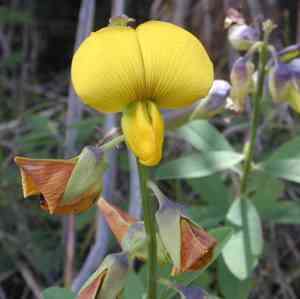
Elliott's milkpea (Galactia elliottii)
Also known as: None
Elliott's milkpea (Galactia elliottii) is a perennial vine characterized by its slender, twining stems and trifoliate leaves. It produces small clusters of pink to purplish flowers that resemble those of other pea-family plants, attracting various pollinators. This native to the southeastern United States thrives in sandy, well-drained soils, commonly found in pine flatwoods, sandhills, and coastal scrub areas. Elliott's milkpea is well-adapted to fire-prone ecosystems and contributes to soil health through its nitrogen-fixing capabilities.
In This Article
Attributes of Elliott's milkpea
Lifespan
Perennial
Plant Type
Vine, Herb
Plant Height
1 to 2 feet
Spread
Not applicable as it is a twining herb
Leaf Color
Green
Flower Size
0.3 to 0.5 inches
Flower Color
Pink or purplish
Images of Elliott's milkpea
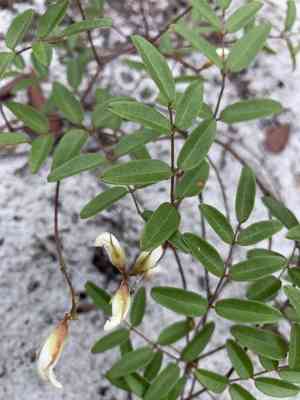
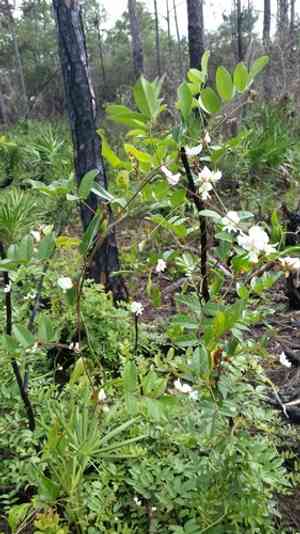
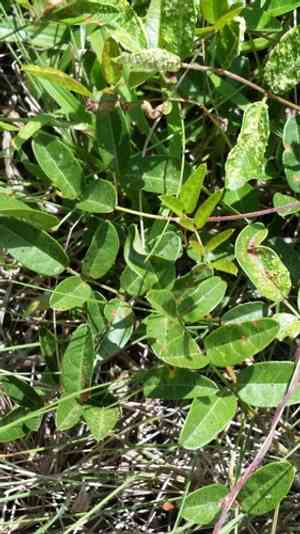
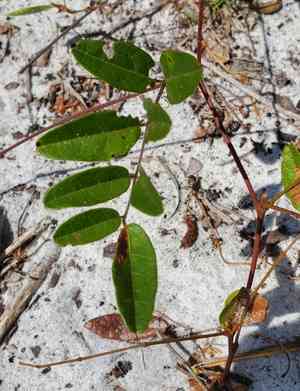
Quickly Identify Elliott's milkpea
1
Look for its twining habit, trifoliate leaves with oblong to lanceolate leaflets, and small pink or purplish flowers that bloom in clusters.
Scientific Classification of Elliott's milkpea
Phylum
Vascular plants
Class
Dicotyledons
Order
Fabales
Family
Legume
Genus
Milk pea
Species
Elliott's milkpea
Planting and Growing of Elliott's milkpea
Care Difficulty
Moderate
Watering Schedule
Every 3 days
Sunlight Requirements
Full sun
Sunshine Duration
4-8 hours
Ideal Temperature
70-85℉
Soil Type
Potting Mix, Peat Mix
Soil pH
6-7.5
Fertilizer Type
Balanced
Pruning Season
Spring, Summer
Pruning Area
Branches, Leaves
Pruning Frequency
2 times a year
Repotting Season
Spring
Pot Type
Plastic, Ceramic
 How to Water Elliott's milkpea?
For Galactia elliottii, ensure the soil is moist but not waterlogged. Typically, 250 ml of water should suffice for each session, depending on environmental conditions such as temperature and humidity. It's crucial to allow the soil to dry out between waterings to prevent root rot.
What are the symptoms of an underwatered Elliott's milkpea?
›
What should I do if my Elliott's milkpea is not getting enough water?
›
What are the symptoms of an overwatered Elliott's milkpea?
›
How to save an overwatered Elliott's milkpea?
›
 What Are the Sunlight Requirements for Elliott's milkpea?
Galactia elliottii enjoys 6 to 8 hours of mixed sun exposure. This balanced light allows the plant to photosynthesize effectively and maintain structural integrity and color.
What is the ideal light condition for Galactia elliottii?
›
How can I create the ideal lighting condition for Galactia elliottii?
›
What benefits does Galactia elliottii gain from ideal lighting?
›
 What Is the Ideal Temperature Range for Elliott's milkpea?
The ideal temperature range for Galactia elliottii is between 70°F and 85°F. This range ensures optimal growth and health for the plant as it mimics their natural habitat conditions. At these temperatures, the plant can photosynthesize efficiently, leading to robust growth.
 What Soil is Best for Elliott's milkpea?
Galactia elliottii thrives in well-draining soil to ensure its roots do not sit in water, which can cause root rot. Having well-draining soil supports healthy growth and flourishing foliage. This plant prefers soil with a pH between 6.0 and 7.5. Ensuring the soil falls within this range allows for optimal nutrient absorption and maintains the plant's vibrant color and health. Incorporating organic matter such as compost improves soil fertility, enhances microbial activity, and improves water retention, which is beneficial for sustaining robust plant growth.
 How to Fertilize Elliott's milkpea?
For Galactia elliottii, it's crucial to strike a balance when applying fertilizers. A good rule of thumb is to use only a third of the recommended amount on the fertilizer packaging. This plant thrives with minimal feeding, and over-fertilization can be detrimental.
 How to Prune Elliott's milkpea?
Ensure all your pruning tools are clean and sharp. This includes sterilizing your shears with alcohol to minimize the risk of disease transfer. Sharp tools make cleaner cuts, reducing plant stress and speeding up recovery. Begin by closely examining the plant to locate any dead or damaged stems. Cut these back to the base using your sharp pruning shears to encourage air circulation and prevent disease. After dealing with the dead growth, focus on shaping the plant. Trim back overgrown stems to maintain a pleasing form, encouraging a bushier appearance by cutting above a leaf node to encourage branching. Inspect the base of the plant for suckers, which are shoots that drain energy from the main plant. Remove these suckers by cutting them as close to the base as possible to redirect the plant's energy to its central structure.
More About Pruning Techniques→
 How to Propagate Elliott's milkpea plant?
1
Start by collecting healthy seeds from a mature Galactia elliottii plant. Clean the seeds to remove any debris or pulp. Soaking seeds in water overnight may enhance germination.
2
Fill seed trays with a suitable potting mix, ensuring good drainage. Place the seeds on the surface and lightly cover them with soil, maintaining constant moisture but avoiding waterlogging.
3
Select a healthy, non-flowering stem for taking cuttings. The cutting should be about 4-6 inches long. Remove the lower leaves and dip the cut end in rooting hormone before planting in moist soil.
 How to Repot Elliott's milkpea plant?
1
Galactia elliottii shows signs like roots poking out of the drainage holes and a noticeable slowdown in growth, which are classic signals it's time for a new pot. These indicate that the plant has outgrown its current confines and requires more room to flourish, ensuring continued thriving.
2
Choose a pot that's slightly bigger than the current one with excellent drainage. This allows Galactia elliottii to have more room to expand its roots while preventing waterlogging issues, which can be detrimental to the plant's health.
3
Opt for a well-draining sandy mix because Galactia elliottii thrives in such conditions. This type of soil prevents root rot by allowing excess water to escape, ensuring the roots stay healthy and get the air they need.



